Locating and Reading Your Meter
In most Phoenix neighborhoods, the water meter sits in a small in-ground box near the curb or property line, with a lid marked "water." Open the lid and note the numbers on the dial or digital display, along with the position of the small leak indicator (often a red or black triangle or gear-shaped dial) that spins whenever water is flowing. Read more about our team and certifications if you want to know who will be showing up at your door. If a situation like this is happening right now, you can request emergency service and we'll get moving.
Running the Test
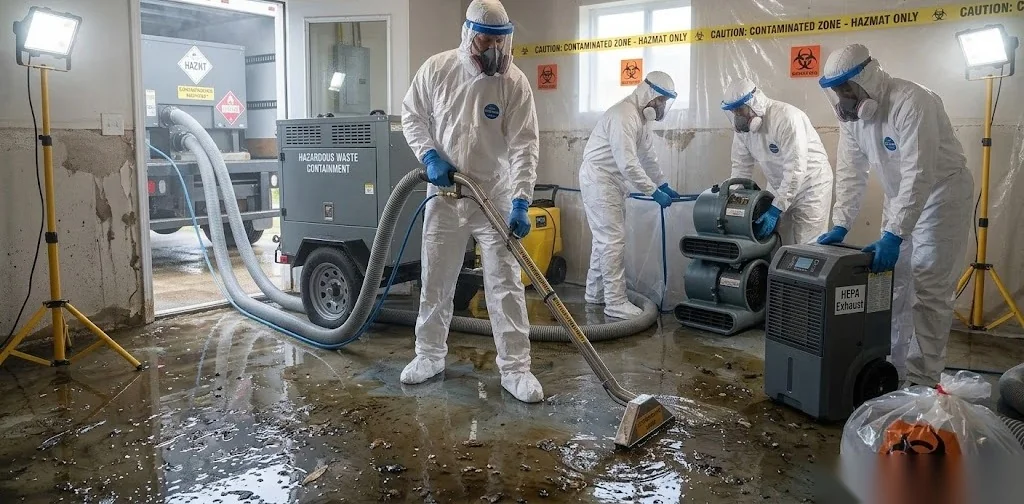
Turn off every fixture and appliance that uses water — faucets, toilets, ice makers, irrigation, everything — then check the leak indicator. If it's spinning or moving at all with no water in use anywhere on the property, water is flowing somewhere it shouldn't be. For a more precise read, note the exact meter number, wait two hours with water still off, and check whether the number changed. If you want to go deeper on this, our guide on How to Compare Water Damage Restoration Quotes in Phoenix covers it well. We also break this down further in Water Damage Categories Explained: Clean, Grey, and Black Water.
Ruling Out False Positives
Before assuming the worst, double check that a toilet isn't silently running, an irrigation zone hasn't accidentally been left on, and no one else in the house turned on a tap during the test. These common culprits cause a lot of unnecessary leak-detection calls. For background from an independent source, see the IICRC S500 restoration standard. the Insurance Information Institute's claims overview has useful guidance on this if you want to read further.
What to Do If the Test Confirms a Leak
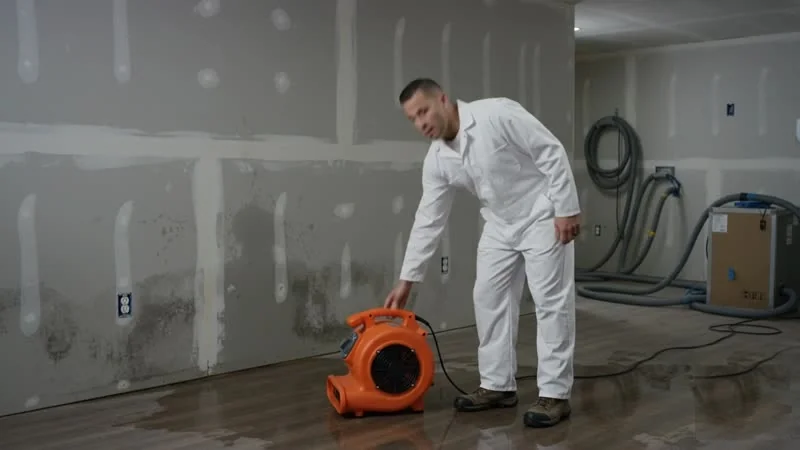
A positive meter test tells you water is leaking somewhere between the meter and your fixtures, but not exactly where. From there, a leak detection specialist can use acoustic and thermal tools to narrow down the location — see our guide on how leak detection technology works for what that process looks like. You can also review FEMA's National Flood Insurance Program for an outside perspective on this.