Acoustic Detection: Listening for the Leak
Pressurized water escaping through a pinhole or crack creates a faint, high-frequency sound that travels along the pipe itself. Acoustic leak detectors use sensitive ground microphones and amplifiers to pick up that sound through walls, flooring, and even concrete slabs, letting a technician narrow a leak's location to a small area before any digging or opening starts. We've answered a lot of related questions on answers to common questions. This applies across the Phoenix-area neighborhoods we serve, not just one part of the city.
Thermal Imaging: Seeing the Temperature Difference
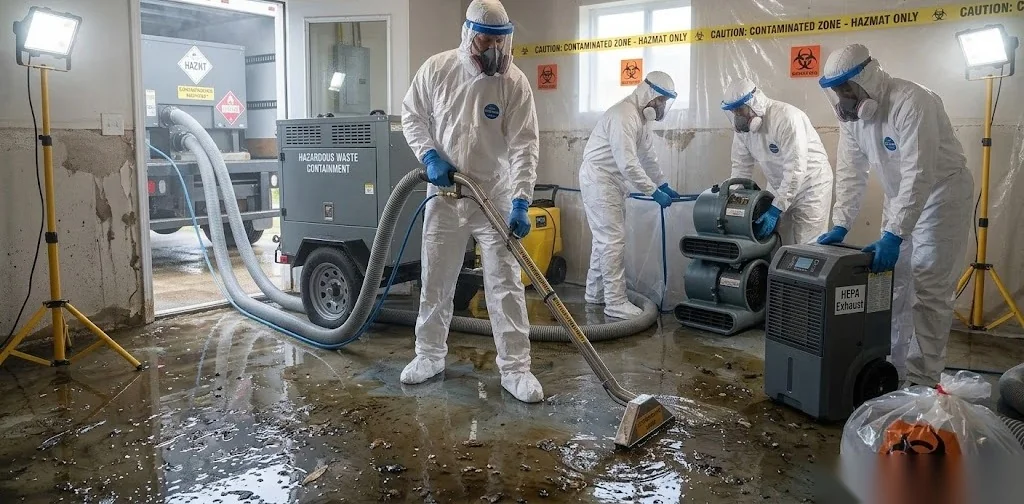
A thermal camera doesn't find water directly — it finds the temperature contrast that water leaves behind. Water conducts heat differently than dry drywall, concrete, or insulation, so a slow leak often shows up as a cooler patch on an infrared image, especially useful in Phoenix where evaporative cooling makes wet areas read noticeably colder than surrounding surfaces. See our thermal imaging guide for more on how this technology is used during restoration. If you want to go deeper on this, our guide on Repiping vs. Spot Repair: Deciding After a Leak Detection Report covers it well.
Moisture Meters: Confirming What the Other Tools Suggest
Acoustic and thermal tools point to a probable leak location, but a moisture meter confirms it by measuring the actual moisture content in a material. Pin-type meters take a direct reading at the surface, while non-invasive meters read moisture through drywall or flooring without puncturing it — read more in our guide to how moisture meters work. For background from an independent source, see the IICRC S500 restoration standard. the Insurance Information Institute's claims overview has useful guidance on this if you want to read further.
Why Combining Methods Matters
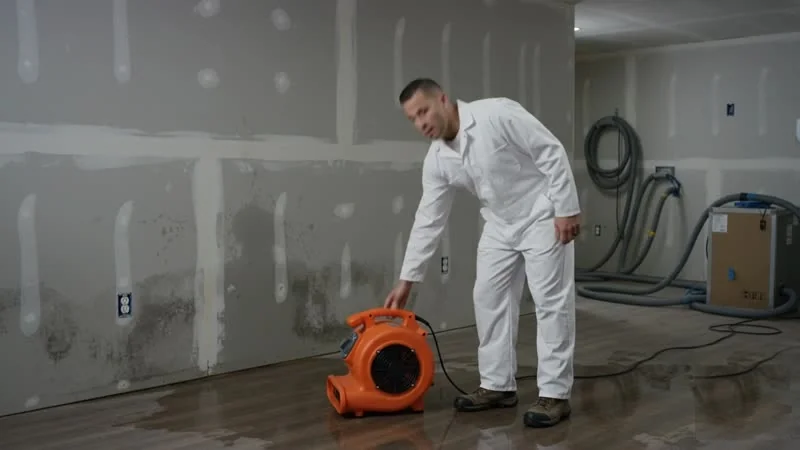
No single tool tells the whole story on its own. A thorough leak detection inspection typically layers acoustic listening to narrow the search area, thermal imaging to visualize the affected zone, and moisture readings to verify before any wall, slab, or flooring is opened. This combination approach is what keeps leak detection non-invasive and keeps repair costs down, since technicians open only the specific section that actually needs attention. You can also review FEMA's National Flood Insurance Program for an outside perspective on this.