How Restoration Crews Decide Which Approach to Use
The decision between drying a wall in place and removing the drywall to access the cavity directly comes down to how high the water traveled, how long the wall has been wet, and whether the water was clean or contaminated. A wall with minor, clean water intrusion near the baseboard is a strong candidate for in-place drying, while a wall saturated well above the baseboard or exposed to contaminated water is more likely to require cavity access. This applies across the Phoenix-area neighborhoods we serve, not just one part of the city. You can learn more about our Phoenix water damage restoration company and how we help Phoenix homeowners recover quickly.
In-Place Wall Drying Methods
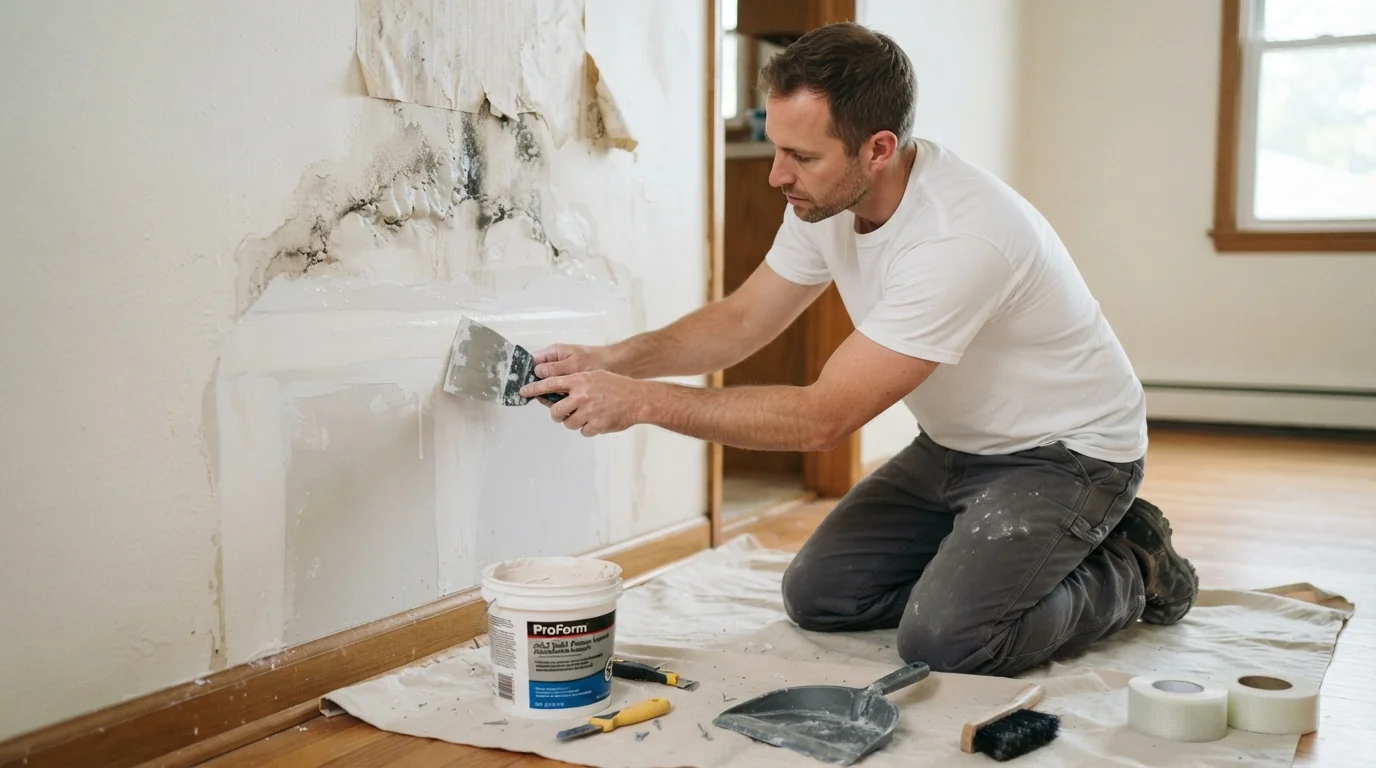
In-place drying typically uses injection systems — small holes drilled at the baseboard level that allow warm, dry air to be forced directly into the wall cavity, pushing moisture out through the porous drywall surface without removing any material. This approach preserves paint, texture, and trim, making it faster and less disruptive when it's a viable option. If you want to go deeper on this, our guide on Thermal Imaging in Water Damage Restoration: How Infrared Cameras Reveal Hidden Moisture covers it well.
When Wall Cavity Removal Is Necessary
Cavity removal — cutting out drywall to directly access and dry the wall interior — becomes necessary when water has traveled high enough that in-place methods can't reach it effectively, when insulation inside the cavity is saturated and needs to be removed rather than dried, or when the water was contaminated and the cavity needs direct inspection and treatment. We also break this down further in Drying Cabinets After a Kitchen Water Leak Without Replacing Them. For background from an independent source, see the IICRC S500 restoration standard.
See our related guide on flood damage repair for drywall for more detail on this removal and reconstruction process. the EPA's moisture control guidance has useful guidance on this if you want to read further.
Verifying Success With Either Method
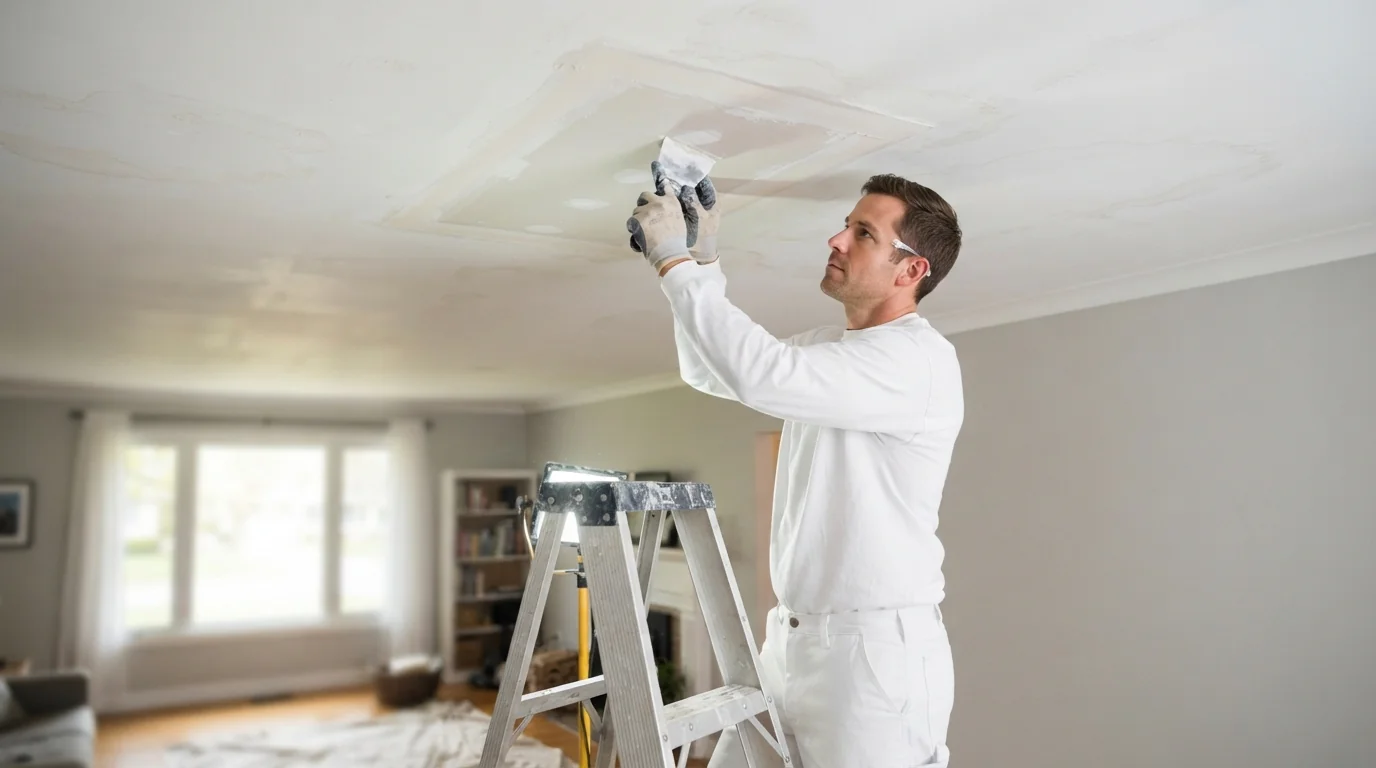
Regardless of which technique is used, moisture readings inside the wall cavity — not just on the surface — confirm whether the drying was successful. In-place drying that isn't reducing moisture readings after a reasonable period is typically escalated to cavity removal rather than continuing indefinitely. You can also review the Department of Energy's ventilation and humidity guidance for an outside perspective on this.