Assessing the Extent of Drywall Saturation
Drywall repair after a flood begins with a moisture assessment using a penetrating moisture meter to measure exactly how high the water traveled up the wall, a process sometimes called flood-lining. This measurement determines whether the whole panel needs removal or whether a lower section can be cut out and patched. This applies across the Phoenix-area neighborhoods we serve, not just one part of the city.
Category of water matters here too — clean water intrusion allows for more conservative repair decisions, while grey or black water contamination typically requires removing drywall well above the visible waterline as a precaution. You can learn more about our Phoenix water damage restoration company and how we help Phoenix homeowners recover quickly.
Cutting and Removing Damaged Sections
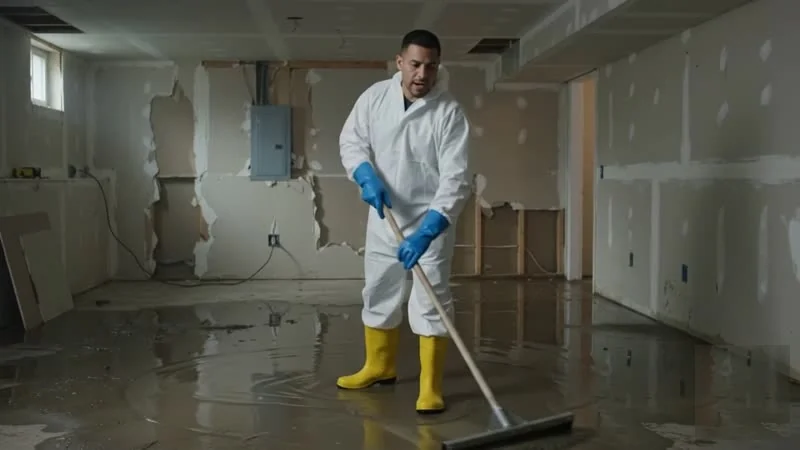
When replacement is necessary, technicians typically cut drywall in a straight horizontal line at least a few inches above the highest moisture reading, rather than only removing the visibly stained portion. This ensures no hidden wet material is left inside the wall cavity where mold could develop unnoticed. If you want to go deeper on this, our guide on Ceiling Water Damage in Phoenix: When to Call a Professional Immediately covers it well.
Baseboards and any wet insulation behind the drywall are removed at the same time, and the exposed wall cavity is dried using targeted air movement before any new material goes in. We also break this down further in HVAC Water Damage Cleanup for Rooftop and Package Units.
Drying the Wall Cavity Before Closing It Back Up
Before new drywall is installed, the open wall cavity — including studs and any remaining insulation — must reach an acceptable dry standard confirmed by moisture readings. Closing a wall before it is fully dry is one of the most common causes of hidden mold problems after a flood repair. For background from an independent source, see the EPA's guidance on moisture and mold.
An antimicrobial treatment is often applied to framing and any remaining porous materials in the cavity as a precaution before the wall is closed. the IICRC S500 restoration standard has useful guidance on this if you want to read further.
Reinstallation, Taping, and Finishing
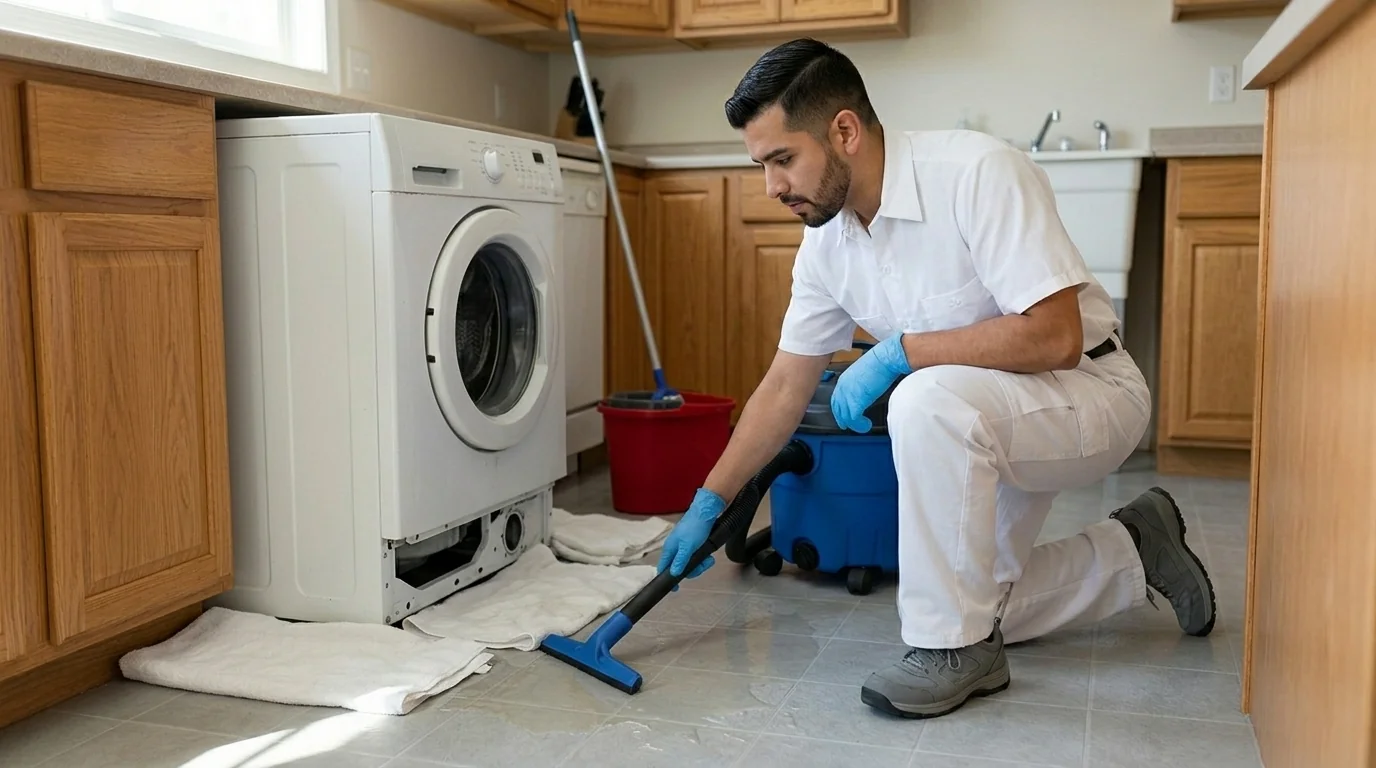
Once the cavity is verified dry, new drywall is installed, taped, mudded, sanded, and primed to match the surrounding wall texture. Matching texture — especially Phoenix's common orange peel or knockdown finishes — is one of the more skill-dependent parts of the repair and worth confirming with your contractor before work begins. You can also review the Insurance Information Institute's claims overview for an outside perspective on this.