At the conclusion of every professional water damage restoration project, after extraction and structural drying are complete, one step separates a property that has been dried from a property that has been truly restored: antimicrobial treatment. This application of EPA-registered agents to all affected structural surfaces provides a chemical barrier against mold germination during the reconstruction phase and beyond. It is not cosmetic, not optional, and not replaceable with consumer products.
What Antimicrobial Treatment Does
Antimicrobial treatment in water damage restoration uses EPA-registered chemical agents specifically formulated to inhibit mold and bacterial growth on structural surfaces. These agents penetrate the surface fibers of wood, drywall paper, and concrete at depths that consumer products cannot reach. This applies across the Phoenix-area neighborhoods we serve, not just one part of the city.
The critical sequence is non-negotiable: complete extraction, confirmed structural drying at target moisture levels, then antimicrobial application. Applying antimicrobial agents to wet materials dilutes active ingredient concentration below effective levels and prevents proper surface penetration.
Antimicrobial treatment does not replace drying and does not treat active mold growth. A surface treated with antimicrobial agents but still retaining moisture above the mold growth threshold will develop mold regardless of the surface treatment, because mold grows within the material fibers rather than only on the surface the treatment reaches. EPA mold cleanup guidance outlines the recommended steps for safely cleaning up mold in a home.
The Application Process in Phoenix
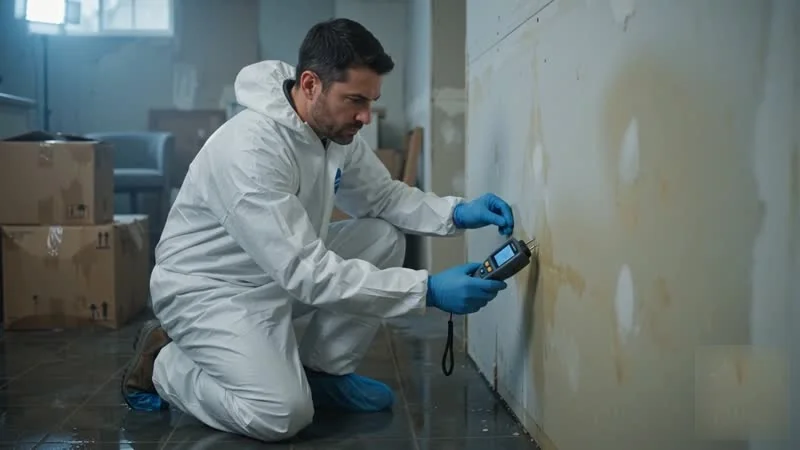
Professional antimicrobial application begins with surface preparation — removing any remaining debris or organic material before treatment, because organic material degrades active ingredients and reduces efficacy. Exposed framing lumber and sub-floor sheathing are brushed or vacuumed clean before treatment.
Dwell time — the period the agent must remain wet on the surface to achieve its rated efficacy — is critical and often overlooked. Most EPA-registered agents require 5-30 minutes of wet contact time to achieve the kill efficiency stated on the label.
Phoenix-specific context makes this step more important than in cooler climates. Year-round temperatures above mold germination thresholds mean there is no winter buffer period when mold is naturally suppressed.
Documentation to Verify
Your restoration company's documentation should include specific antimicrobial information: product name, EPA registration number, dilution rate used for concentrate products, application method, coverage area, and dwell time achieved. This documentation is important for insurance claim verification and provides information any future contractor or buyer may need regarding what chemical agents were applied to the structural surfaces. the CDC explains the health effects associated with mold exposure. You can learn more about our Phoenix water damage restoration company and how we help Phoenix homeowners recover quickly.
For Category 2 and Category 3 events, antimicrobial application should appear as a separate, specific line item in the scope of work — not bundled into other line items. Insurance adjusters reviewing the scope should be able to see specifically what antimicrobial products were applied and to what surface area.
After antimicrobial treatment, allow treated surfaces to fully dry before new building materials are applied over them. In Phoenix's dry climate, this typically occurs within hours of application.
Consumer vs Professional Products
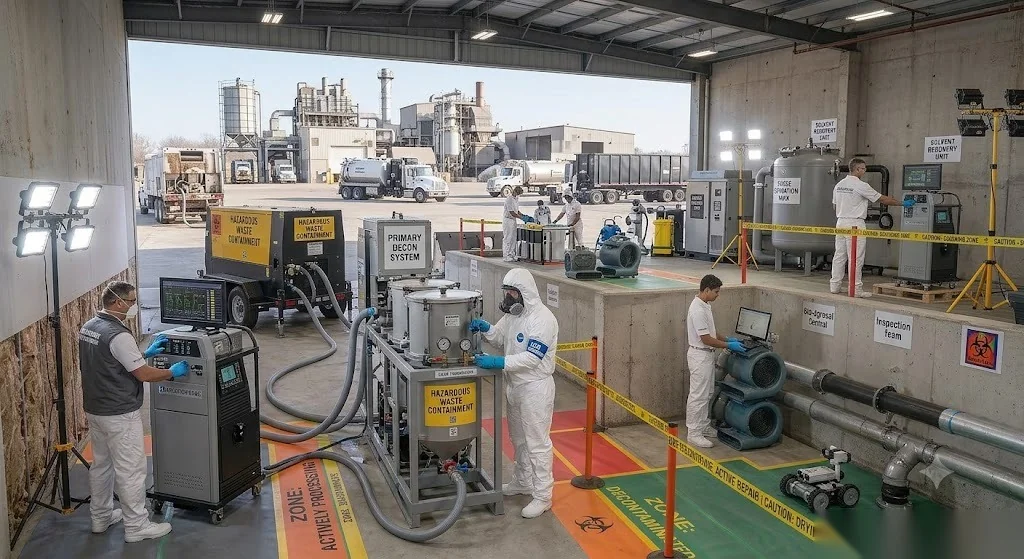
Consumer antimicrobial sprays from hardware stores — bleach, mold-killing sprays, household disinfectants — are not equivalent substitutes for professional-grade EPA-registered restoration products. Consumer products lack the active ingredient concentrations, penetration depth, and surface dwell performance of professional formulations. the IICRC S500 standard sets the procedural benchmark restoration companies are expected to follow.
The EPA registration number on a professional restoration antimicrobial product indicates that USEPA has reviewed and accepted the manufacturer's efficacy data for the specific microorganism claims on the label. This is a substantive regulatory review, not merely a registration.
Biocide versus antimicrobial residual is a distinction worth understanding. A biocide kills active pathogens at the time of application.