Why Wet Insulation Is Rarely Dried in Place
Fiberglass batt insulation, the most common type found in Phoenix wall cavities, loses much of its insulating effectiveness once it becomes wet and compressed, and it doesn't return to its original loft even after drying. Because of this, wet fiberglass insulation is typically removed and replaced rather than dried, regardless of whether the water source was clean, since drying it wouldn't restore its performance anyway. We've answered a lot of related questions on answers to common questions. This applies across the Phoenix-area neighborhoods we serve, not just one part of the city.
How This Affects the Wall Drying Approach

Because saturated insulation generally needs to be removed, walls with wet insulation are usually not good candidates for in-place injection drying and instead require cutting into the drywall to access and remove the insulation directly, then drying the open cavity before new insulation and drywall are installed. If you want to go deeper on this, our guide on Drying Cabinets After a Kitchen Water Leak Without Replacing Them covers it well. We also break this down further in Negative Air Pressure and Containment During Structural Drying.
Blown-In and Spray Foam Insulation
Less common in Phoenix but occasionally found in older or renovated homes, blown-in cellulose insulation behaves similarly to fiberglass and is generally replaced once wet. Closed-cell spray foam insulation, by contrast, doesn't absorb water the way fiberglass or cellulose does and can sometimes be dried and retained, though the wall cavity still needs a full moisture assessment to confirm. For background from an independent source, see the IICRC S500 restoration standard. the EPA's moisture control guidance has useful guidance on this if you want to read further.
Replacing Insulation as Part of Wall Reconstruction
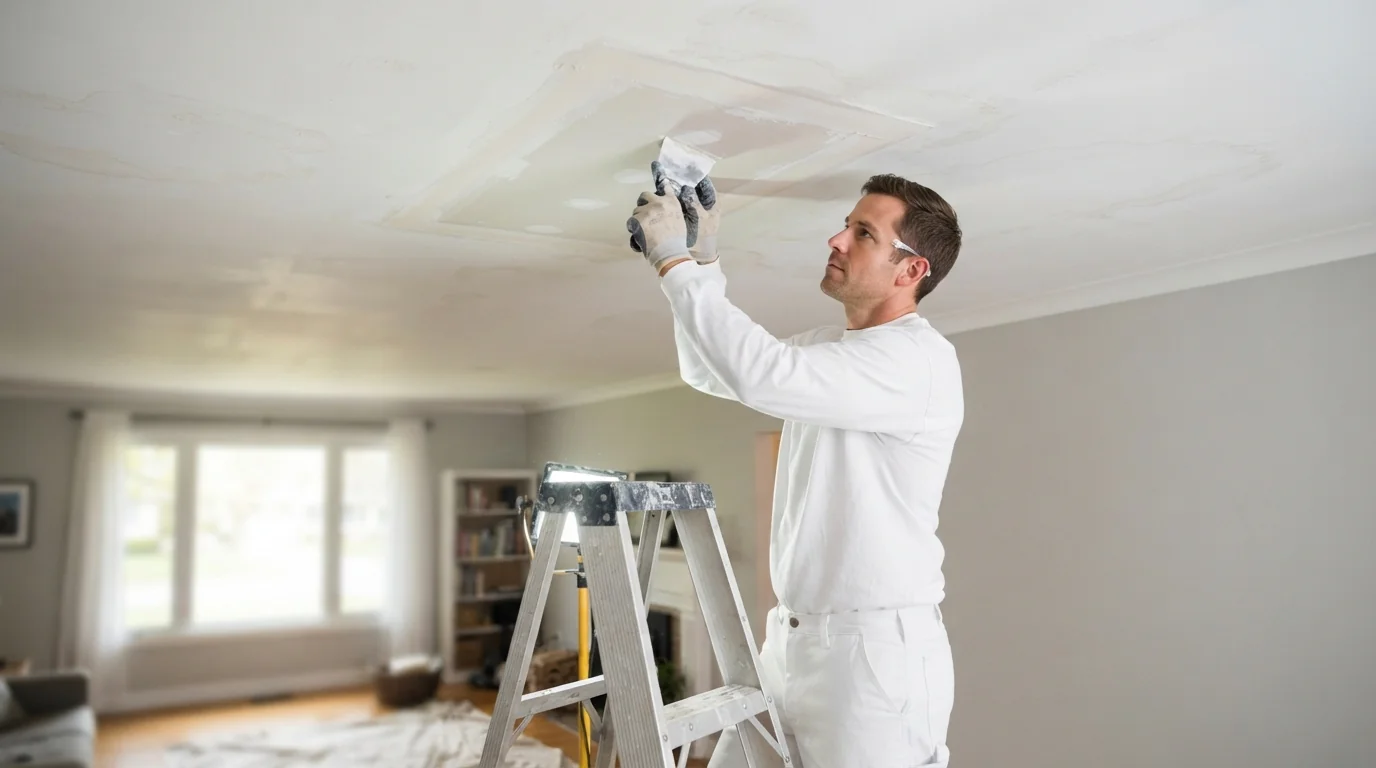
Once the cavity is confirmed dry, new insulation is installed to match the original type and R-value where possible, ensuring the wall retains its intended energy performance. This step is typically included in the reconstruction scope alongside new drywall, rather than treated as a separate project. You can also review the Department of Energy's ventilation and humidity guidance for an outside perspective on this.