Negative air pressure is a technique used alongside structural drying to prevent airborne contaminants from spreading beyond the affected area during restoration work.
What Negative Air Pressure Actually Does
A negative air machine pulls air out of the contained drying chamber faster than it can enter, creating slightly lower air pressure inside the chamber relative to the surrounding space. This pressure difference causes air to flow into the chamber from the rest of the house rather than out of it, which keeps airborne contaminants, mold spores, or odors contained within the work area instead of migrating into clean, unaffected rooms. Read more about our team and certifications if you want to know who will be showing up at your door.
When Negative Air Pressure Is Used
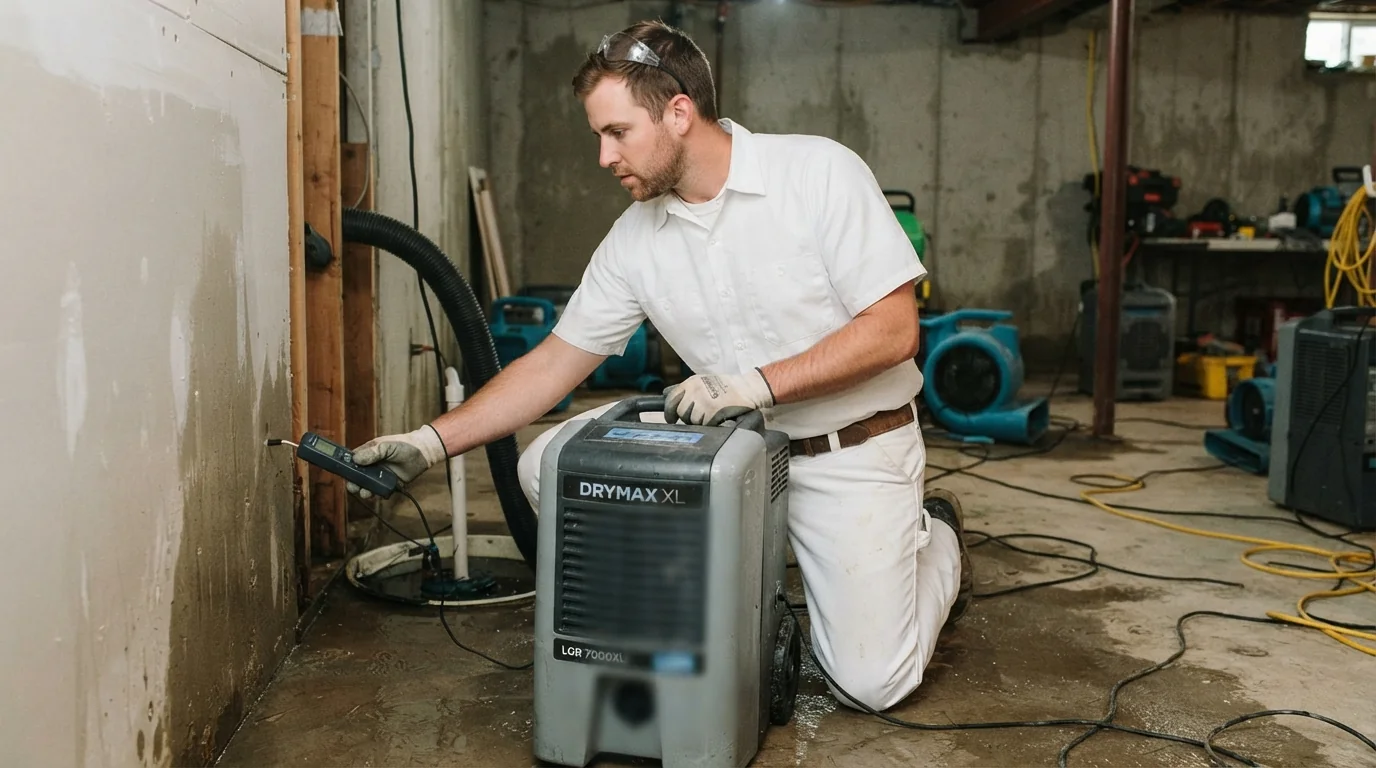
This technique is most commonly deployed for sewage backup cleanup, mold remediation work, and any structural drying scenario involving Category 2 or 3 water where airborne contamination is a genuine concern, rather than for straightforward clean-water losses. For background from an independent source, see the IICRC S500 restoration standard.
HEPA Filtration and Exhaust
Negative air machines typically route exhausted air through a HEPA filtration system before venting it, either back into a non-critical area or, more commonly, directly outside the structure through ducting. Our guide to air scrubbers and HEPA filtration covers the filtration side of this equipment in more detail. the EPA's moisture control guidance has useful guidance on this if you want to read further.
How This Fits Into the Overall Containment Plan
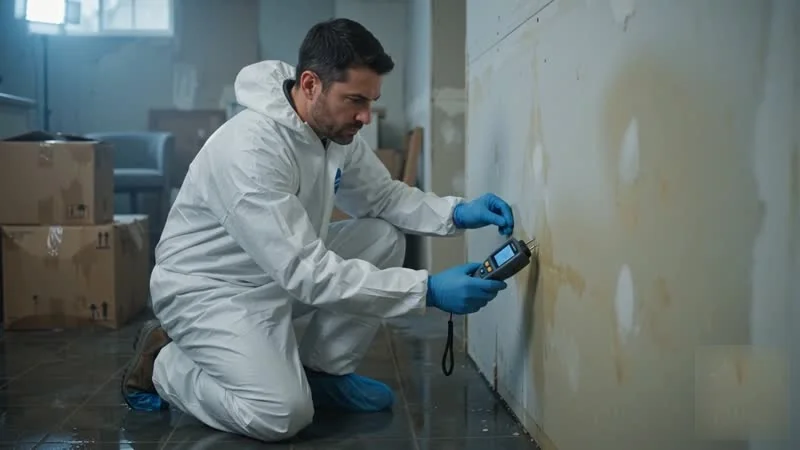
Negative air pressure typically works alongside the physical containment barriers discussed in our drying chamber setup guide — the plastic sheeting creates the physical boundary, while negative air pressure ensures that any air movement across that boundary flows inward, not outward. You can also review the Department of Energy's ventilation and humidity guidance for an outside perspective on this.
What You'll Notice in Your Home
If negative air pressure is in use, you may notice a visible ducting hose running from the contained area to an exterior window or door, along with a background hum from the negative air machine itself. This is a sign that your restoration company is taking contamination control seriously, not a cause for concern.