Why Timing Matters Most for Mold Prevention
Mold spores are present in virtually every environment and only need moisture, organic material, and time to begin growing — conditions that a flooded home provides almost immediately. Beginning extraction and drying within the first 24 to 48 hours after a flood is the single most effective way to prevent mold from establishing itself in the first place, according to guidance from the EPA's mold guidance.
Even in Phoenix's dry climate, standing water trapped inside walls, under flooring, or behind cabinetry creates a locally humid microenvironment where mold can develop, regardless of how dry the outside air is. It's worth browsing our full list of restoration services to see which one matches what you're dealing with.
Proper Drying Technique as Mold Prevention
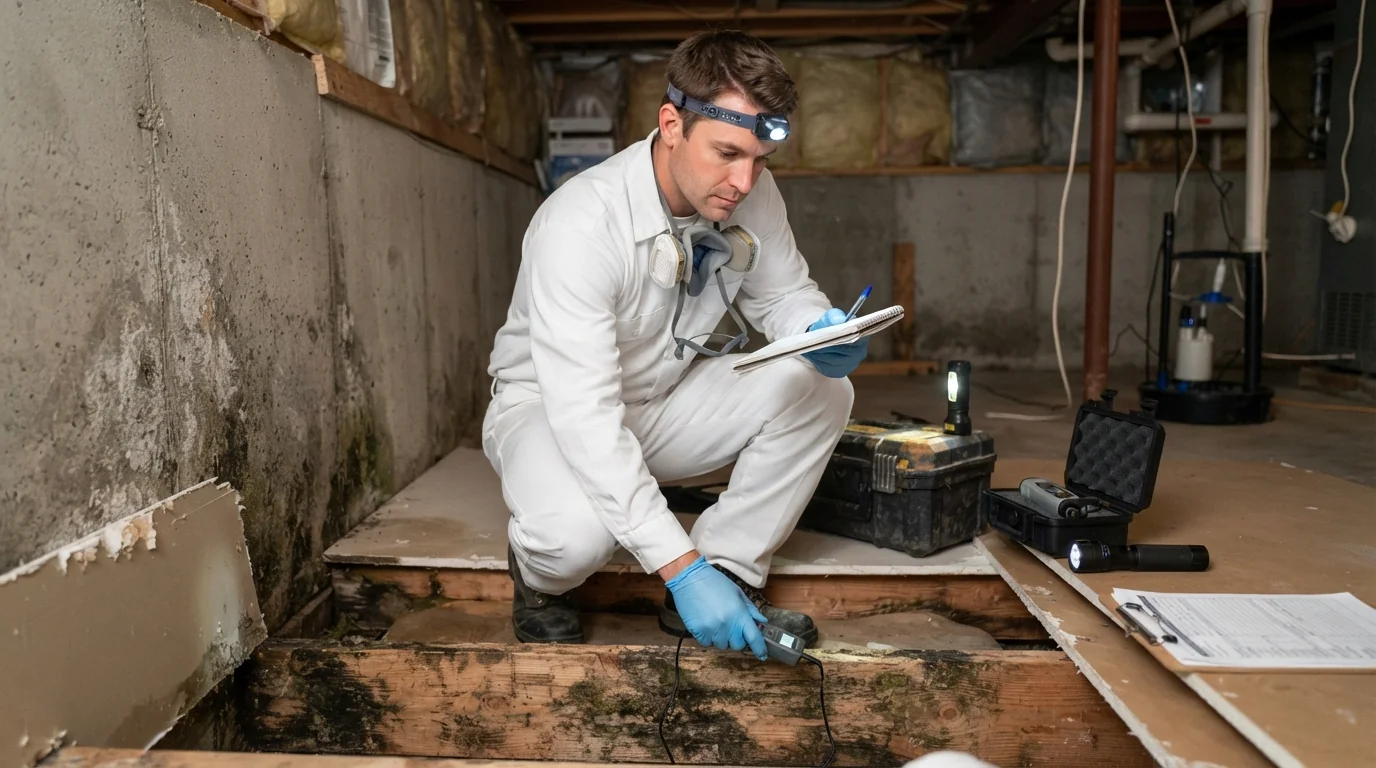
Simply running a few fans is rarely enough to prevent mold after a real flood event. Professional structural drying uses calculated air movement and dehumidification specifically targeted at the materials and cavities most likely to retain moisture — wall cavities, subfloors, and cabinet toe-kicks are common trouble spots that a general room fan won't reach. If cost is on your mind, how our pricing works breaks down what typically drives the number up or down.
Removing materials that cannot be dried effectively, such as saturated carpet padding or insulation, also removes a food source and moisture reservoir for mold before it has a chance to develop. If you want to go deeper on this, our guide on HVAC Water Damage Cleanup and Mold Spore Circulation Risk covers it well.
Antimicrobial Treatment During Repair
As part of a thorough flood damage repair process, an EPA-registered antimicrobial treatment is typically applied to affected framing, subfloor, and other porous surfaces after extraction and before final drying. This step helps inhibit mold growth on surfaces during the drying window, when conditions are most favorable for spore development. For background from an independent source, see the CDC's mold exposure and health information.
Verifying the Property Is Mold-Safe Before Closing Walls
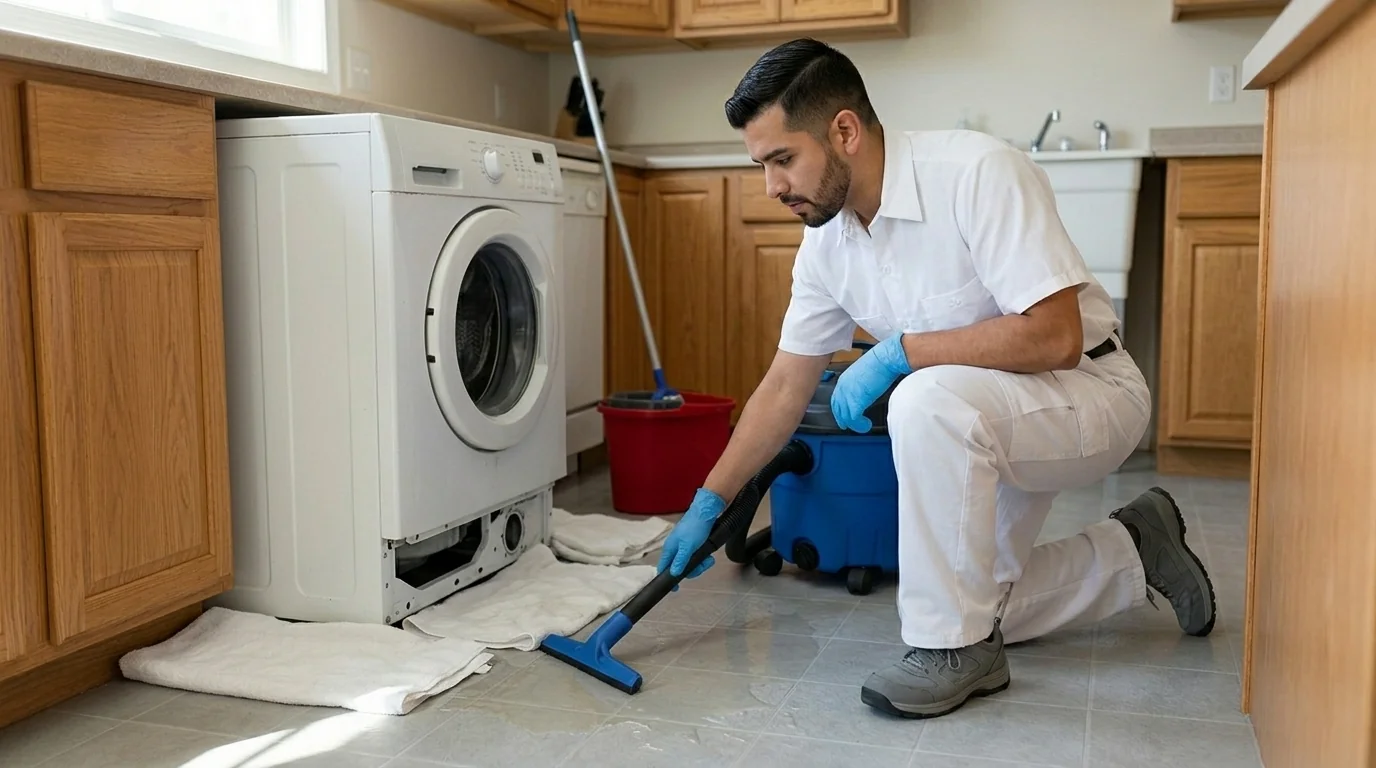
Before drywall or flooring is reinstalled, moisture readings should confirm that all affected materials have reached an acceptable dry standard. Closing up a wall or floor before this verification is complete is one of the most common causes of hidden mold problems discovered months after a flood repair was considered finished. the IICRC S500 water damage restoration standard has useful guidance on this if you want to read further.