Why Padding Is More Vulnerable Than Carpet
Carpet padding is typically made of foam or fiber material that absorbs and holds water far more readily than the carpet fibers above it. This same quality that makes it comfortable underfoot also makes it slow to dry and prone to holding onto contaminants, odor, and moisture long after the visible carpet surface feels dry to the touch. Read more about our team and certifications if you want to know who will be showing up at your door. If a situation like this is happening right now, you can request emergency service and we'll get moving.
Factors That Determine Replacement vs. Drying
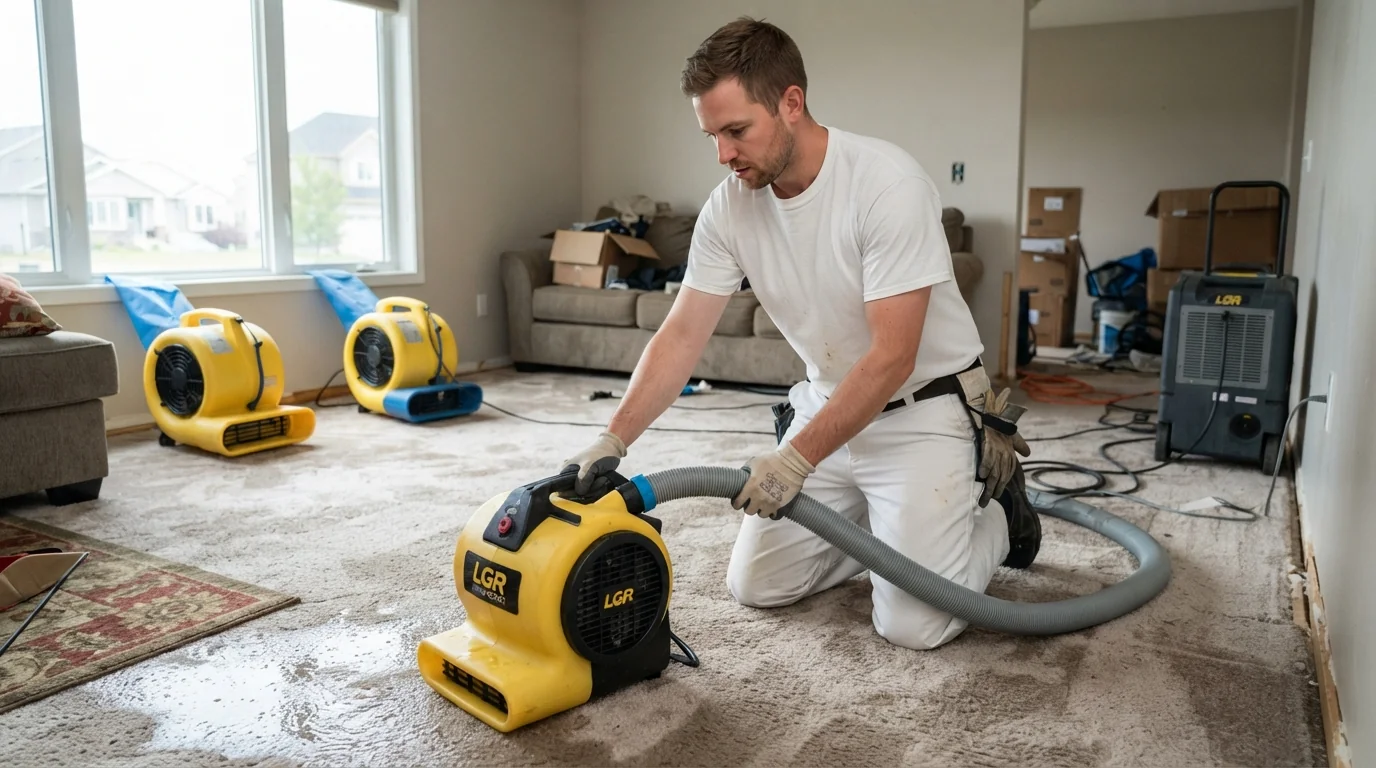
The water category is the biggest factor — padding exposed to clean water and extracted within a few hours has a reasonable chance of being dried successfully, while padding exposed to grey or black water is essentially always replaced due to contamination concerns, regardless of how quickly it's addressed. Time is the second major factor: padding that sat wet for more than 24 to 48 hours is less likely to be salvageable even if the original water source was clean. If you want to go deeper on this, our guide on Hardwood Floor Drying After Water Damage in Phoenix covers it well. We also break this down further in The Carpet Drying Process Explained Step by Step.
The Cost Trade-Off
Padding is one of the less expensive materials in a room to replace compared to flooring or drywall, which is part of why restoration companies often default to replacement rather than attempting an extended drying process that may not fully succeed. Replacing padding also eliminates any lingering odor risk that dried-but-previously-saturated padding can sometimes retain. For a related situation, see our post on Carpet Drying Equipment: What Phoenix Restoration Crews Use. For background from an independent source, see the IICRC S500 restoration standard.
What Happens If Padding Is Dried Instead of Replaced
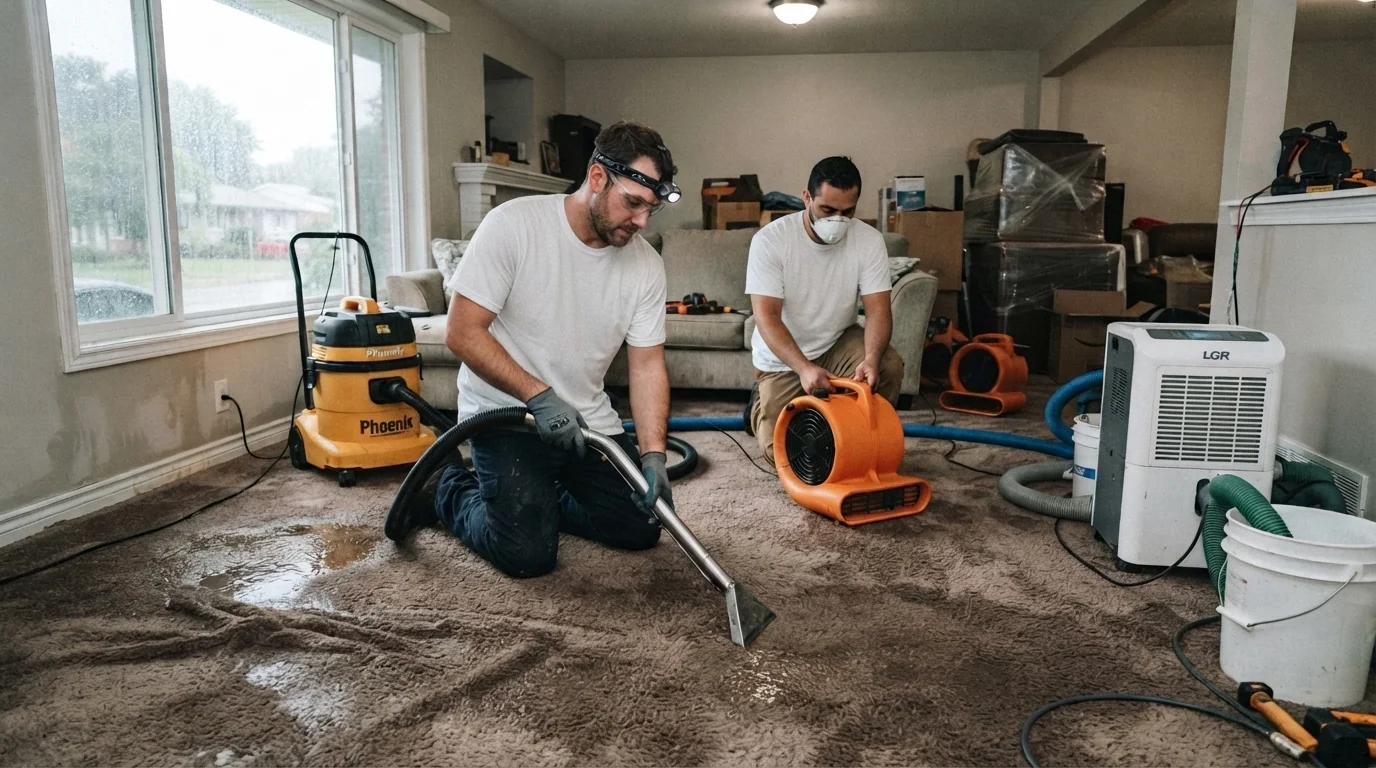
When padding is dried rather than replaced, it's typically because the water event was minor, clean, and addressed quickly. In these cases, moisture readings are taken specifically on the padding layer, not just the carpet surface, to confirm it has reached an acceptable dry standard before the carpet is put back down. the EPA's mold prevention guidance has useful guidance on this if you want to read further. You can also review the Department of Energy's guidance on humidity and ventilation for an outside perspective on this.