Typical Wall Drying Timeframes
A wall with minor, clean water intrusion and no saturated insulation typically dries within two to four days using either in-place injection drying or open-cavity air movement. Walls with more extensive saturation, contaminated water, or insulation that needed removal often take four to seven days, since the exposed cavity, framing, and any remaining materials all need to reach an acceptable dry standard before reconstruction can begin. You can learn more about our Phoenix water damage restoration company and how we help Phoenix homeowners recover quickly. Read more about our team and certifications if you want to know who will be showing up at your door.
Why Walls Sometimes Dry Slower Than Other Materials
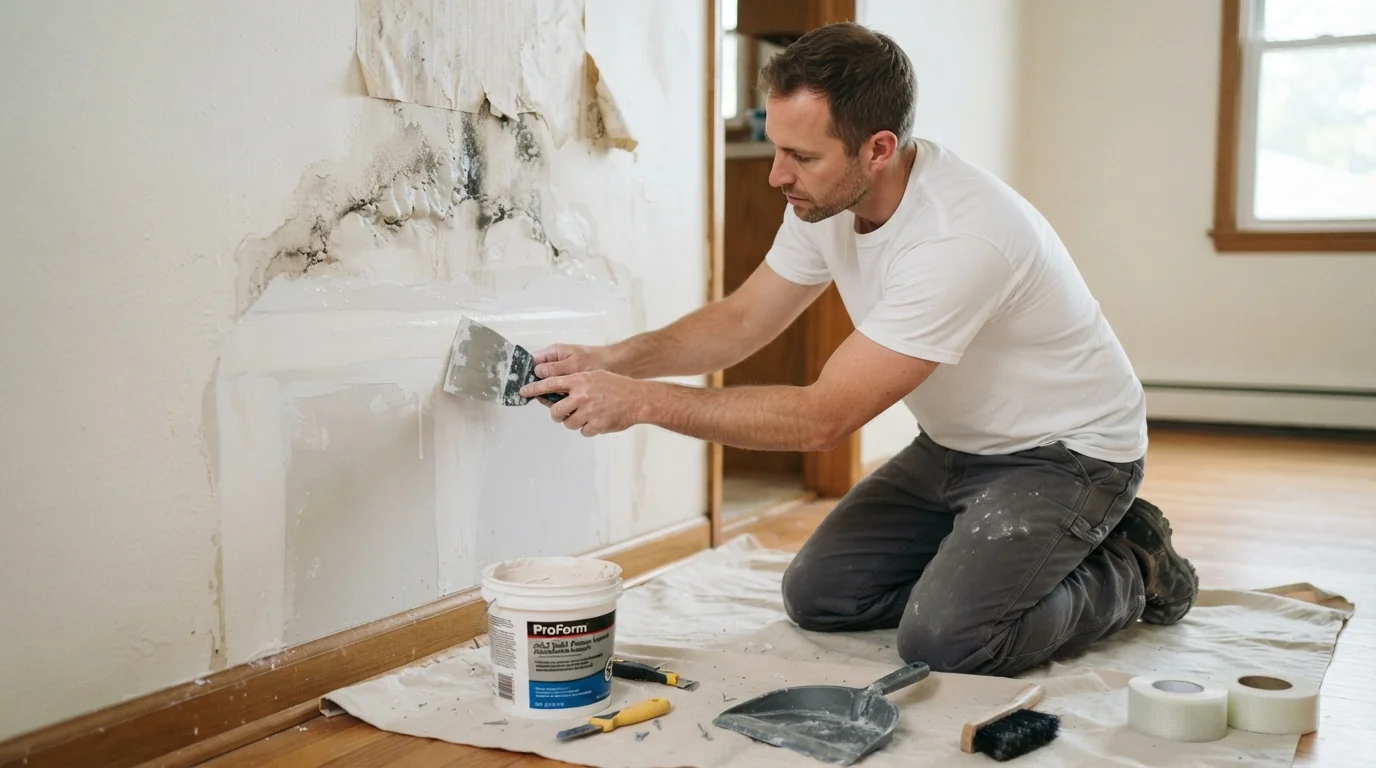
Wall cavities are enclosed spaces with limited natural airflow compared to an open floor, which is why forced-air techniques — whether injection drying or open-cavity air movers — are necessary rather than relying on ambient room air circulation. Framing lumber inside the wall can also hold moisture longer than the drywall surface itself, requiring readings to confirm the studs, not just the drywall, have dried sufically. If you want to go deeper on this, our guide on Structural Drying vs Consumer Fans: Why the Difference Matters covers it well. We also break this down further in Air Scrubbers in Water Damage Restoration: What They Do and When They're Required.
How Wall Height and Water Volume Affect Timing
A wall where water only reached a few inches above the baseboard generally dries faster than a wall where water traveled several feet up, simply because there's more saturated material and a larger area for air to reach. Similarly, walls affected by a large volume of water, such as a burst pipe versus a small appliance leak, tend to take longer regardless of how high the water traveled. For a related situation, see our post on Moisture Mapping Explained: The First Step in Every Structural Drying Plan. For background from an independent source, see the IICRC S500 restoration standard.
What Happens If a Wall Isn't Fully Dry Before Reconstruction
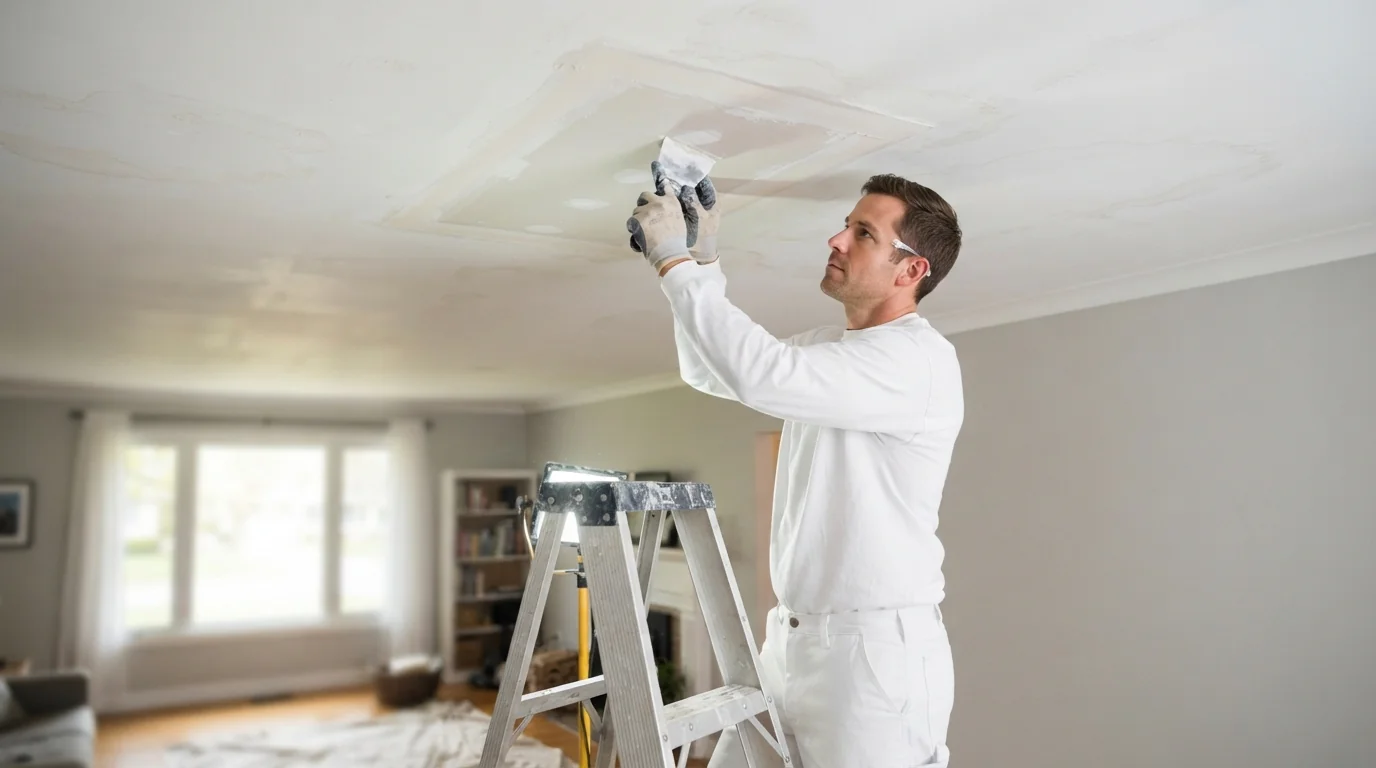
Closing up a wall before moisture readings confirm it's fully dry is one of the more common causes of hidden mold problems discovered months later. A reputable restoration company won't move to reconstruction until cavity moisture readings, not just surface readings, confirm the wall has reached a safe, dry standard. the EPA's moisture control guidance has useful guidance on this if you want to read further. You can also review the Department of Energy's ventilation and humidity guidance for an outside perspective on this.