One of the most common questions homeowners ask during structural drying is simply: how much longer? The honest answer depends entirely on which materials are involved.
Day 1: Extraction and Initial Setup
The first day typically involves standing water extraction, initial moisture mapping, containment setup, and the placement of air movers and dehumidifiers based on that mapping. This is also when materials that clearly cannot be dried — saturated carpet padding, delaminated laminate — are typically identified for removal. For background from an independent source, see the IICRC S500 restoration standard.
Days 2 to 3: Drywall and Paint
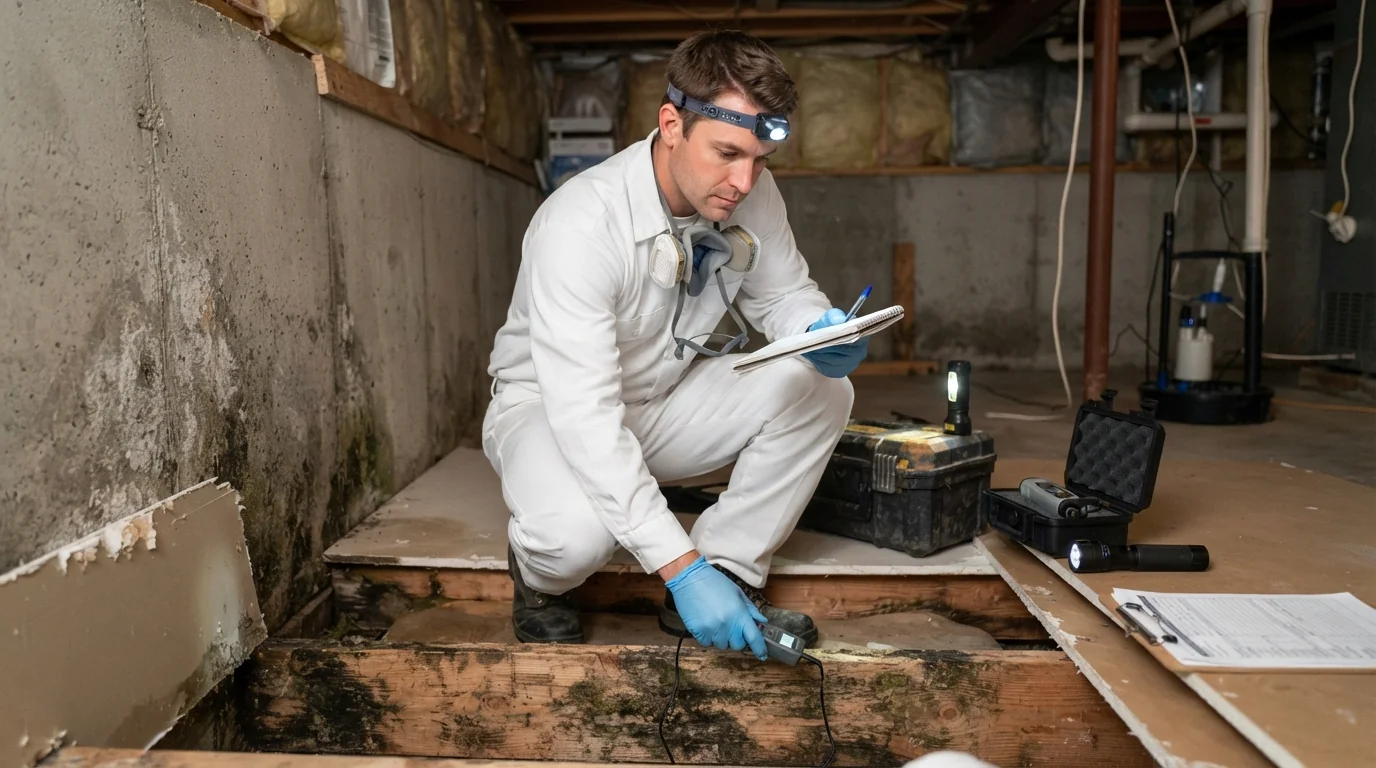
Drywall responds relatively quickly to properly calculated airflow, and many drywall-only losses show significant progress toward target moisture within the first 48 to 72 hours, referenced against our detailed drywall drying timeline. Painted surfaces generally track close behind the drywall itself.
Days 3 to 5: Wood Framing and Trim
Solid wood framing members and trim carry more mass and typically take longer to release moisture than drywall, commonly requiring the 3 to 5 day range to approach target levels, sometimes longer for larger dimensional lumber or in cases of extended initial saturation. the EPA's moisture control guidance has useful guidance on this if you want to read further.
Days 5 to 7+: Subfloors and Cabinetry
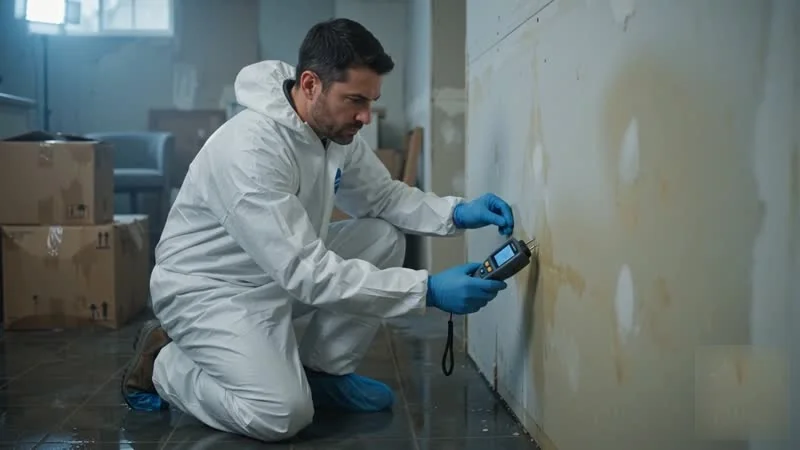
Plywood and OSB subfloors, along with kitchen and bathroom cabinetry, often extend into the 5 to 7 day range or beyond, particularly when specialized drying techniques are needed to access moisture trapped beneath finished flooring or inside cabinet toe-kicks.
Days 7 to 14+: Concrete Slabs
As covered in our concrete slab drying guide, slabs are consistently the slowest-drying element in any structural drying program, often extending well beyond the timeline for every other material in the same loss. You can also review the Department of Energy's ventilation and humidity guidance for an outside perspective on this.
Why Your Specific Timeline Might Differ
This breakdown reflects typical ranges, not guarantees — the actual timeline for your property depends on how long materials were saturated before drying began, the water category involved, ambient conditions, and how closely the initial equipment calculation matched the true extent of the damage.