Flooding that enters a Phoenix property from any source — monsoon runoff, broken main plumbing, sewage backup, or storm surge — can compromise the structural integrity of the building in ways that are not apparent through visual inspection alone. Saturated wall framing, deteriorated adhesive systems, foundation movement from hydrostatic pressure, and sub-floor assembly damage can all develop during or after a flood event without producing surface signs until the damage is advanced.
Understanding Structural Damage After Flooding in Phoenix
Phoenix-specific water damage events require technicians familiar with desert construction standards: slab-on-grade foundations, flat and low-slope roofing systems, year-round HVAC operation, and the thermal cycling that accelerates material aging. Local expertise directly improves assessment accuracy and restoration outcomes compared to generic national protocols that may not account for these regional differences. We've answered a lot of related questions on answers to common questions.
Property owners who engage Phoenix-specialized restoration companies benefit from local knowledge of monsoon patterns, construction standards, insurance carrier relationships, and regulatory requirements. This local expertise contributes to faster, more complete, and better-documented restoration at every stage.
Professional Response Protocol
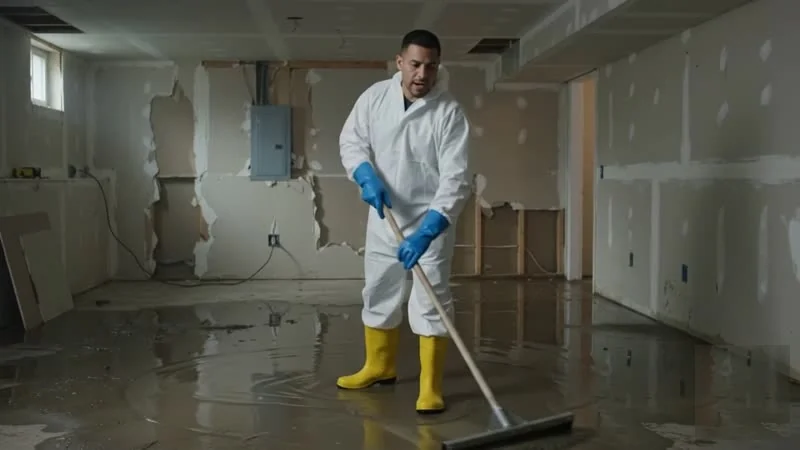
Professional water damage restoration in Phoenix follows IICRC S500 standard protocol for all event types: assessment with moisture mapping, extraction, structural drying with industrial equipment, antimicrobial treatment, and complete insurance documentation. The specific equipment, crew size, and scope of each phase varies based on event characteristics, but the fundamental protocol provides a consistent quality framework that enables objective verification of restoration completeness. FEMA's National Flood Insurance Program explains how the National Flood Insurance Program covers flood losses.
The assessment phase is the most critical for establishing accurate scope. Moisture meters and thermal imaging reveal the full extent of water migration that visual inspection alone misses.
Daily monitoring throughout the drying program — rather than equipment placement and pickup without interim contact — is the quality characteristic that separates professional companies from those simply going through the motions. Moisture readings at consistent measurement points each day reveal whether the program is progressing as designed.
Insurance Documentation and Coverage
Insurance coverage for water damage in Arizona depends on the source of the water, whether the event was sudden versus gradual, and whether appropriate endorsements are in place for specific event types like sewage backup or external flooding. Most sudden internal water damage events are covered under standard Arizona homeowners or commercial property policies. Ready.gov outlines how to prepare for and respond to flood events.
Your restoration company's moisture maps, daily drying logs, photographs, and itemized scope of work in adjuster-compatible format are the technical foundation of your insurance claim. These documents determine the claim payment.
Call (602) 926-0563 the moment you discover water damage in your Phoenix property. Our live dispatchers answer 24/7, and our crews arrive within 60 minutes with full assessment and extraction capability.
Prevention and Long-Term Protection

Preventing water damage events in Phoenix requires annual attention to the specific failure points most common in desert climate construction: flat roof penetrations and drainage systems, flexible supply hose connections at appliances and fixtures, HVAC condensate drain lines, and window and door exterior sealants that degrade under UV exposure. Completing a systematic annual inspection of these systems — ideally in April before monsoon season — identifies and addresses vulnerabilities before they become emergency events. FloodSmart.gov has more detail on flood insurance coverage and eligibility.
Smart water detection technology — leak sensors placed at high-risk locations throughout the property — provides early warning that enables intervention before a minor leak becomes a major flood. These devices range from simple battery-powered sensors that sound a local alarm to integrated systems that shut off the main water supply automatically when moisture is detected.
Developing a documented emergency response plan — including shut-off valve locations, emergency contact numbers for restoration and insurance, and documentation protocols — before an emergency occurs enables a faster and more effective response when one does happen. Post this information where it is accessible to all household members.