Sewage backup and black water cleanup are terms that are sometimes used interchangeably, but they describe related but distinct water damage scenarios that require the same high-level protocols for different reasons. Understanding the distinction helps you communicate accurately with your restoration company, set correct expectations for the scope and cost of cleanup, and make informed decisions about prevention and insurance coverage.
Sewage Backup: Causes and Characteristics
A sewage backup occurs when the flow of waste in the sewer system is blocked or reversed, causing sewage to flow backward through the plumbing system and emerge from floor drains, toilets, and other fixtures. The sewage that emerges is the accumulated waste from the connected property — residential toilet and sink waste — or, in a municipal backup event, a mixture of waste from the broader sewer system.
In Phoenix, sewer backup events peak during monsoon season when high-volume storm water infiltration overwhelms municipal sewer capacity in some service areas, causing backup pressure in lateral connections throughout the affected drainage basin. Older Phoenix neighborhoods — particularly those in Central and South Phoenix, Maryvale, and other areas with mid-20th century sewer infrastructure — are more susceptible to monsoon-driven municipal backup events than newer communities with modern infrastructure designed to current capacity standards.
Black Water: Sources Beyond Sewage
Black water (Category 3) can also arise from sources other than sewage backup. Rising floodwater from monsoon storms is Category 3 because surface water collects a broad spectrum of contaminants as it flows across streets, parking lots, and landscaping — motor oil, agricultural chemicals, animal waste, storm drain overflow, and biological material from outdoor surfaces. OSHA details the safety hazards workers face during flood cleanup.
Any water that has been stagnant for an extended period — regardless of its initial category — eventually becomes Category 3 as biological activity in the standing water reaches levels that create health risk. Clean water that has been sitting in a closed space for 72 hours or more is practically treated as Category 3 for restoration purposes.
The Decontamination Protocol in Detail
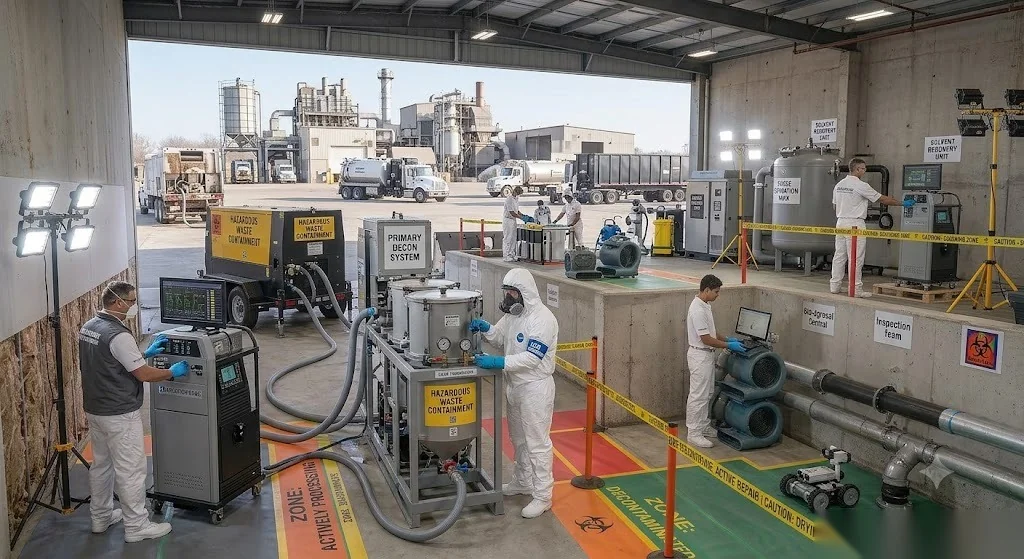
Category 3 cleanup begins with containment that prevents contaminated air and materials from spreading beyond the affected area. Plastic sheeting barriers are installed at all openings between the contaminated and clean areas of the property.
Sewage extraction uses equipment specifically staged for contaminated waste — the extracted material is sewage and cannot be discharged to standard residential drains without treatment. Material handling follows biohazard protocols: all porous materials removed from the Category 3 zone are bagged in sealed, labeled biohazard bags and disposed of through licensed waste haulers. CDC guidance on mold cleanup after a disaster covers safe mold cleanup practices after a flood or storm.
Hard surface decontamination proceeds in three stages: first, physical cleaning to remove all organic material (sewage solids, debris) from all hard surfaces; second, application of EPA-registered disinfectant at the correct concentration and maintained at the required dwell time for that specific product and pathogen target; third, application of antimicrobial residual treatment for ongoing protection. Each stage is documented with the products used, application method, and coverage area — this documentation becomes part of the insurance claim and post-remediation clearance record.
Prevention and Insurance for Phoenix Sewage Events
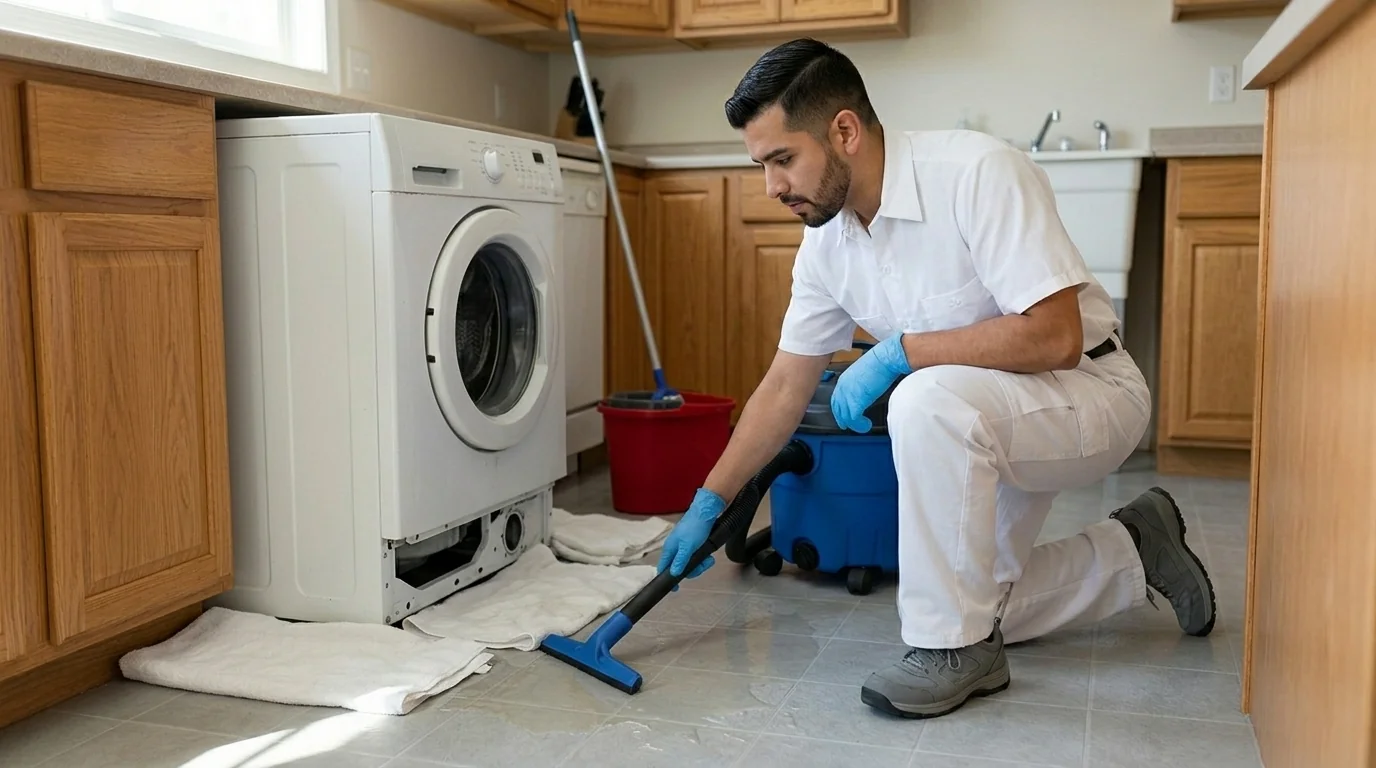
Preventing sewage backup in Phoenix requires attention to both the private lateral and the risk profile of your neighborhood's municipal infrastructure. Have your sewer lateral video-scoped if your property has mature trees within 15–20 feet of the lateral, if the home is more than 40 years old with original sewer infrastructure, or if you have experienced any prior backups or slow drains. the IICRC S500 standard sets the procedural benchmark restoration companies are expected to follow.
Backwater valves — one-way check valves installed in the sewer lateral — prevent sewage from flowing backward into the building during a backup event. They are particularly valuable in Phoenix neighborhoods vulnerable to monsoon-driven municipal backup.
Insurance for sewage backup events requires a specific endorsement — standard Arizona homeowners policies exclude sewer backup damage. The sewer backup endorsement is available from most carriers for $50–$150 per year and typically covers the cost of extraction, decontamination, material removal, structural drying, and reconstruction of the affected area.