The Connection Between Leaks and Mold
Mold spores are present essentially everywhere, but they need consistent moisture and organic material — drywall paper, wood framing, insulation — to actually establish colonies. A hidden leak that runs for days or weeks provides exactly that environment, which is why undetected leaks are one of the most common sources of indoor mold growth. See our 48-hour mold window guide for how quickly this can happen. This applies across the Phoenix-area neighborhoods we serve, not just one part of the city. You can learn more about our Phoenix water damage restoration company and how we help Phoenix homeowners recover quickly.
Why Slow Leaks Are More Dangerous Than Big Ones
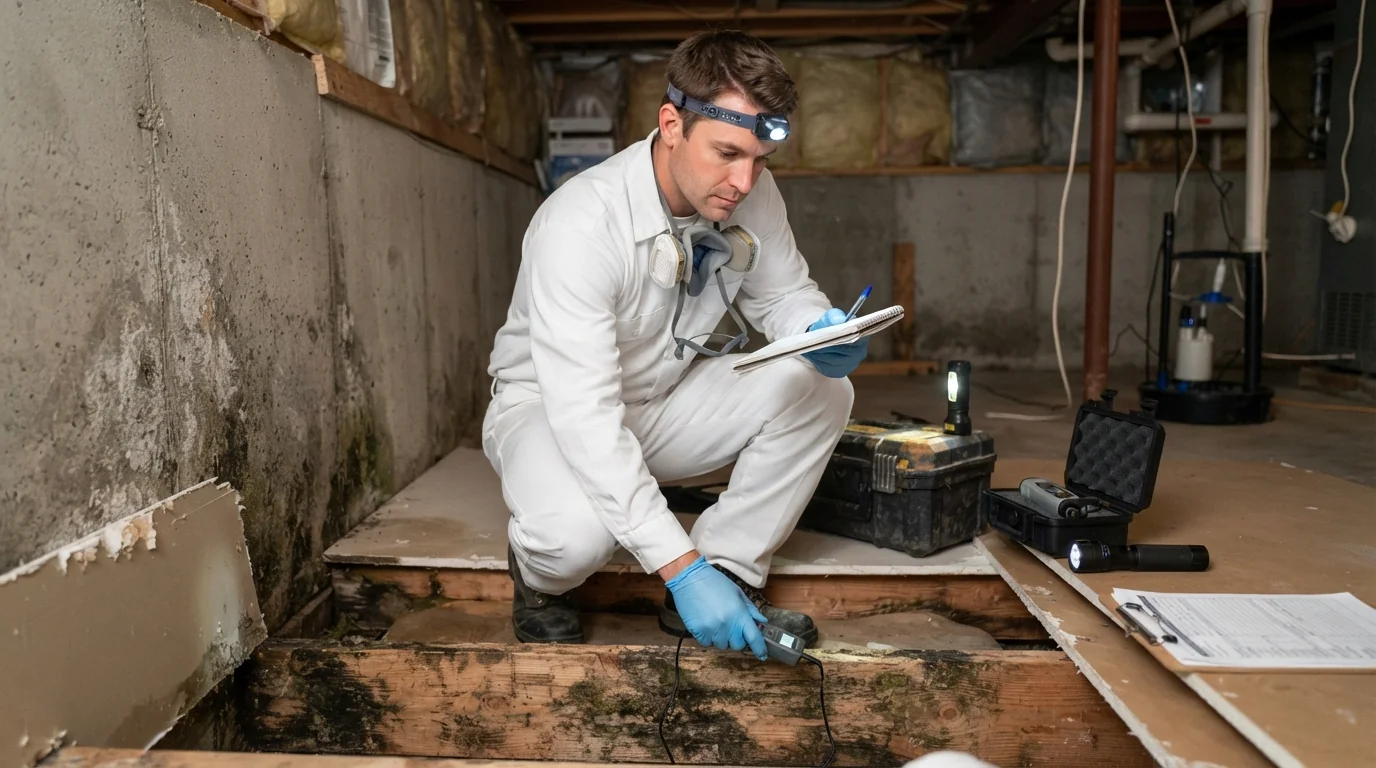
Counterintuitively, a small, slow leak behind a wall can be more likely to cause mold than a large, sudden pipe burst. A burst pipe gets noticed and addressed immediately; a slow drip inside a wall cavity can go unnoticed for weeks, giving mold far more time to establish itself before anyone knows there's a problem. If you want to go deeper on this, our guide on Antimicrobial Treatment After Water Damage: The Non-Negotiable Final Step covers it well.
Where Early Detection Makes the Biggest Difference
Areas that are naturally harder to observe directly — under cabinets, behind appliances, inside wall cavities, under flooring — are exactly where leak detection tools add the most value, since these are the spots where a slow leak is most likely to go undetected by eye alone. Routine moisture checks in these zones catch problems before mold has time to develop. For background from an independent source, see the EPA's guidance on mold and moisture control. the CDC's mold exposure and health information has useful guidance on this if you want to read further.
What to Do If a Leak Has Already Been Running
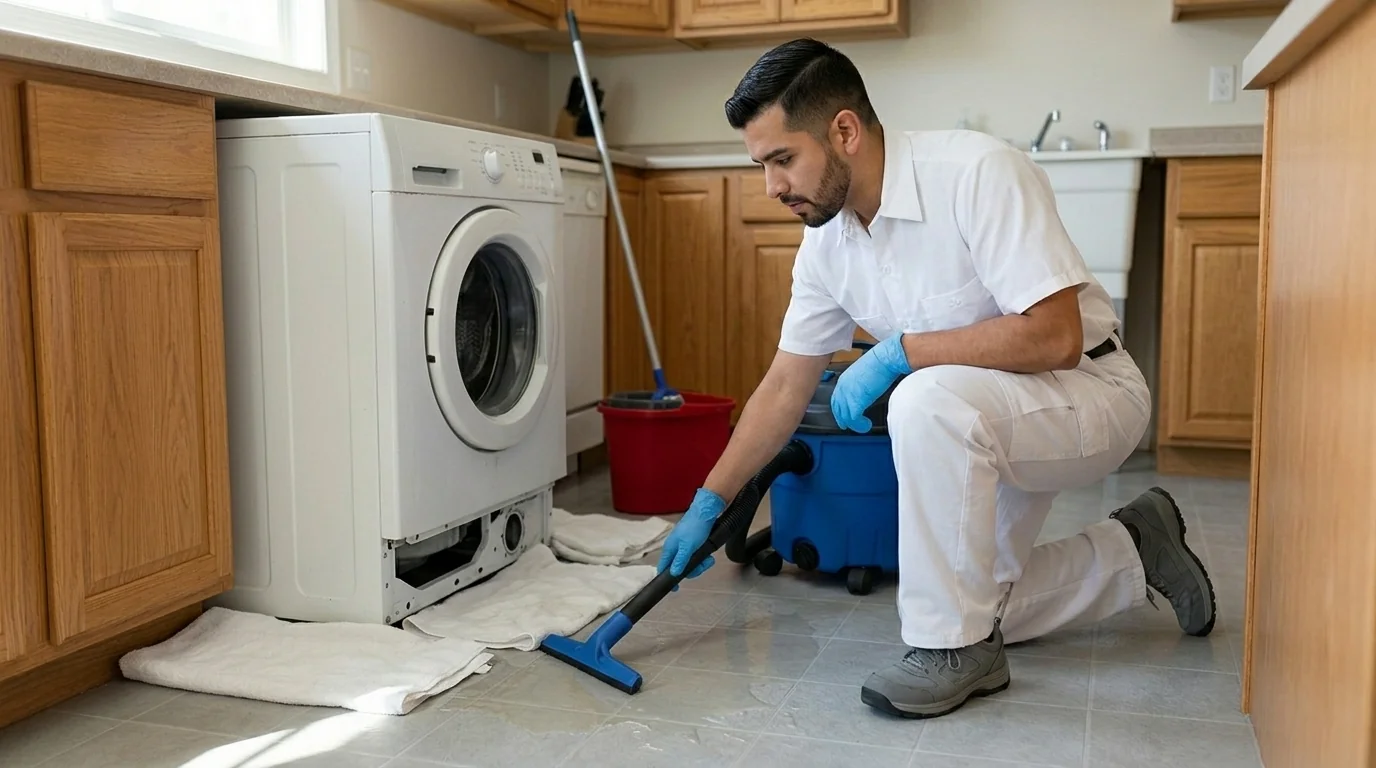
If you've discovered a leak that's clearly been active for more than a day or two, don't assume drying the water alone solves the problem — have the affected area checked for mold growth, particularly if there's any musty odor. Our mold inspection and prevention team can evaluate whether mold has already started before it becomes a larger remediation project. You can also review the IICRC S500 water damage restoration standard for an outside perspective on this.