For most Phoenix homeowners, the greater loss in a water damage event is not the structure — it is the belongings: furniture belonging to a grandparent, irreplaceable photographs, expensive electronics, critical business records. Professional content restoration can salvage a remarkable range of items that appear to be losses, but acting quickly and correctly in the first 24-48 hours determines what is possible.
What Can Be Restored
Solid wood furniture can often be successfully restored if addressed within 48-72 hours of water exposure. Controlled drying minimizes the expansion-contraction cycling damage, and subsequent joint re-gluing, veneer repair, and refinishing returns antique and heirloom pieces to serviceable condition. MDF furniture does not survive significant water exposure and cannot be restored. Read more about our team and certifications if you want to know who will be showing up at your door.
Electronics not powered on since water exposure have the best restoration potential. Powering wet electronics causes short circuits destroying components that could otherwise be salvaged. Electronics restoration specialists use ultrasonic cleaning systems to remove mineral deposits, controlled drying chambers to remove residual moisture, and detailed inspection to identify components requiring replacement.
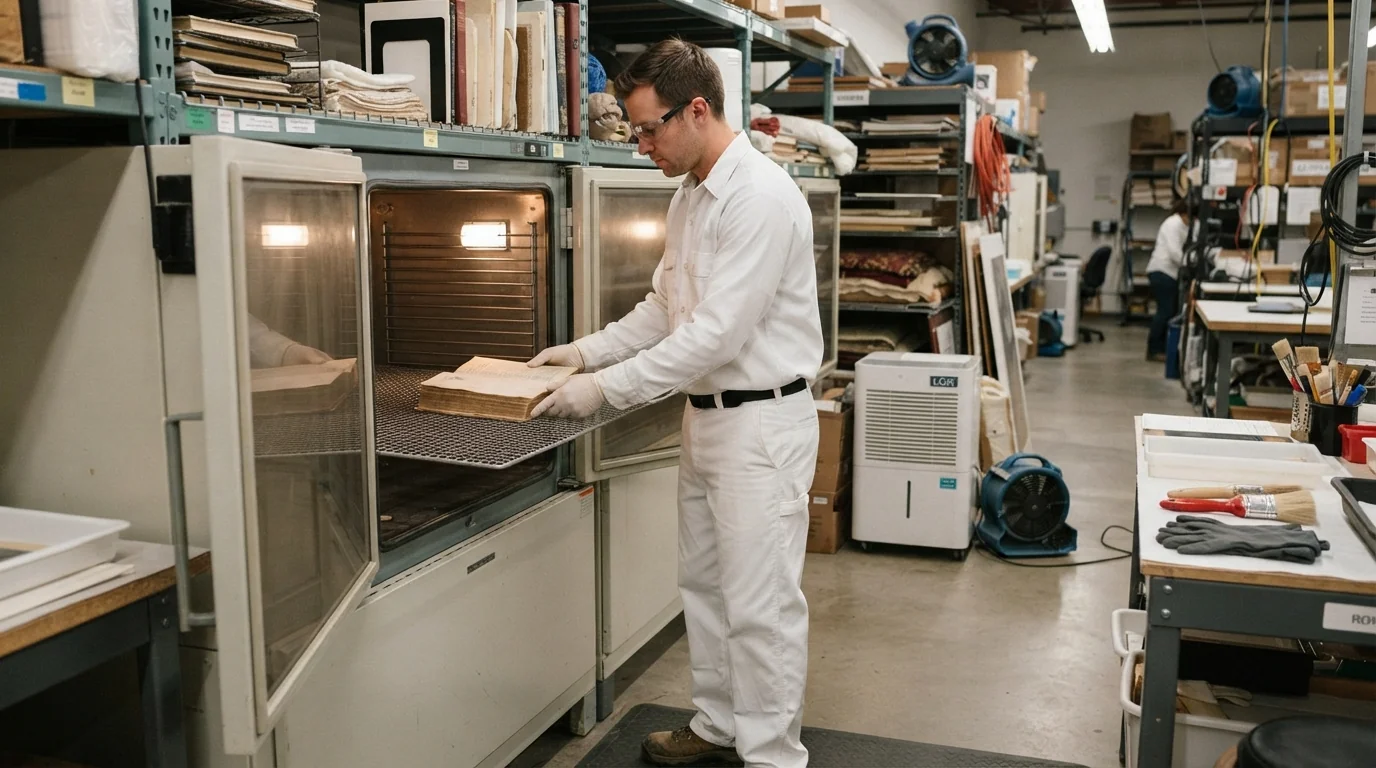
Documents and photographs are the most time-sensitive content type. Wet paper begins bonding within 24-48 hours. Documents salvageable within 48 hours can be professionally dried in controlled chambers. the IICRC S500 standard sets the procedural benchmark restoration companies are expected to follow.
Electronics Restoration Protocol
Never power on any electronic device exposed to water. Mineral deposits from even clean tap water create conductive bridges on circuit boards that cause short circuits when power is applied. Leave all wet electronics powered off and contact a restoration specialist before any power-on attempt — this rule applies without exception to smartphones, laptops, televisions, appliances, and servers.
Ultrasonic cleaning removes mineral deposits from circuit boards using high-frequency sound waves in cleaning solution. After cleaning, controlled drying chambers remove residual moisture before careful power-on testing. Recovery rates vary by device type and contamination level but are consistently higher than disposal-without-assessment produces. If a situation like this is happening right now, you can request emergency service and we'll get moving.
Data recovery from water-damaged storage devices requires specialist handling. Hard drives wet but not powered on can often be recovered. SSDs and flash storage have similar contamination risks on controller boards if powered on wet.
Furniture, Rugs, and Paper
Upholstered furniture restoration depends on water category and time elapsed. Category 1 events addressed within 24-48 hours offer reasonable potential — extraction, controlled drying, and antimicrobial treatment can salvage pieces with intact fabric. Category 2 or 3 events or extended wetting typically result in replacement because foam cores and fabric retain contamination that cannot be fully decontaminated. the EPA provides background on how moisture control prevents mold growth in buildings.
High-value hand-knotted and Oriental rugs have specialized protocols. Remove immediately from the wet area and transport to a rug cleaning specialist — do not leave in a contaminated flood area where the rug absorbs floor contaminants. Specialist assessment before any drying attempt protects rugs that would be damaged by improper drying.
For paper documents: prioritize by importance, process the most critical within 48 hours, and freeze anything that cannot be immediately processed. For photographs: gently submerge stuck photographs in clean cool water to allow natural separation, then lay face-up on a clean smooth surface to air dry. Do not stack wet photographs face-to-face. If you want to go deeper on this, our guide on When to Replace vs. Restore After Water Damage in Phoenix covers it well.
Insurance Coverage for Content
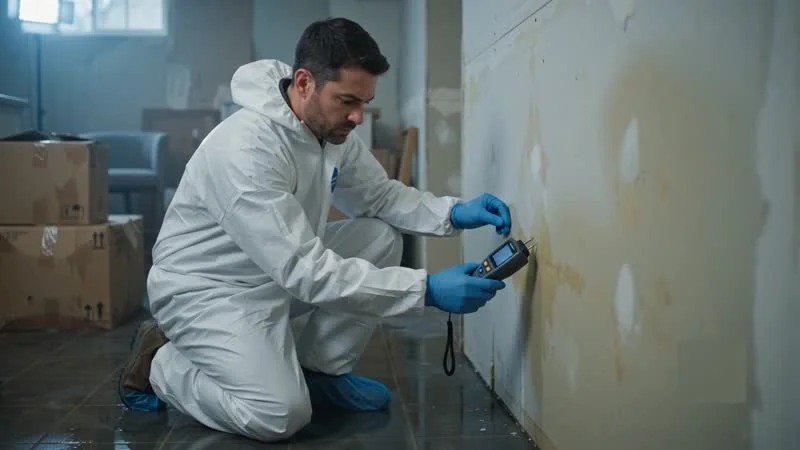
Most homeowners policies cover the cost of restoring or replacing water-damaged contents. Coverage type — ACV or RCV — affects payment for items requiring replacement. Restoration cost for salvageable items is typically covered in full as a covered restoration expense. FEMA's National Flood Insurance Program explains how the National Flood Insurance Program covers flood losses.
Create a detailed content inventory with photographs before any items are moved or discarded — description, brand, model, approximate purchase date, original cost, current replacement cost, and extent of damage for every item. This documentation is the evidentiary foundation of your content claim.
Non-restorable items should be preserved for adjuster inspection before disposal. If items must be discarded due to health hazards before the adjuster visit, photograph them thoroughly first and note in your documentation that they were discarded before adjuster inspection due to health and safety requirements.