The Information the Dispatcher Needs
A live dispatcher will typically ask for your address, the water source if known, roughly how long water has been present, and whether the water is clean, grey, or potentially contaminated. Having this information ready — even a rough guess — speeds up the call significantly. You can learn more about our Phoenix water damage restoration company and how we help Phoenix homeowners recover quickly. Read more about our team and certifications if you want to know who will be showing up at your door.
How Crews Get Prioritized
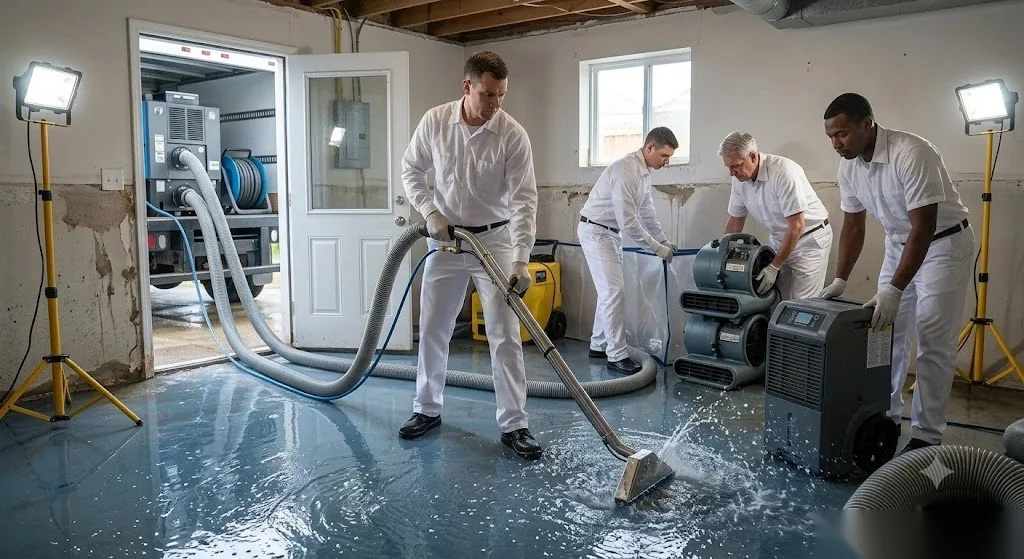
Calls are usually prioritized by severity and safety risk rather than strictly by order received — an active sewage backup or a flooding scenario near electrical panels typically jumps ahead of a slow, contained leak. This isn't favoritism; it's triage based on how much damage continues to accumulate each additional hour. If you want to go deeper on this, our guide on Water Damage Categories Explained: Clean, Grey, and Black Water covers it well. We also break this down further in Water Damage Response Checklist for Phoenix Property Managers.
What to Do Between the Call and Arrival
If safe, shut off the water source at the main or the fixture, move valuables and electronics away from the water, and begin taking photos for documentation. Avoid running fans or air conditioning directly over standing water, since it can push moisture into wall cavities before extraction begins. For a related situation, see our post on How Long Does Water Extraction Take? Phoenix Timelines by Property Size. For background from an independent source, see the IICRC S500 restoration standard.
What the Crew Does on Arrival
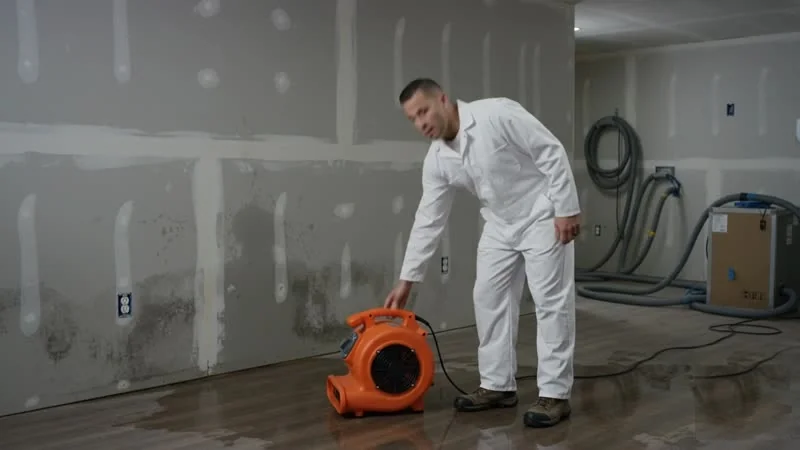
On-site, crews typically test the water category, begin extraction, and set up initial containment before discussing next steps and paperwork with you. A trustworthy company walks you through what they're doing and why rather than starting equipment and disappearing until the invoice. the Insurance Information Institute's claims overview has useful guidance on this if you want to read further. You can also review FEMA's National Flood Insurance Program for an outside perspective on this.