Your Response Timeline Has Legal Weight
Arizona landlord-tenant law generally requires landlords to address habitability issues, including water damage, within a reasonable timeframe. Documenting when you were notified and when remediation began protects you if a dispute arises later — see our overview of tenant rights around water damage for more detail. If cost is on your mind, how our pricing works breaks down what typically drives the number up or down. We've answered a lot of related questions on answers to common questions.
Coordinating Access with Occupied Units
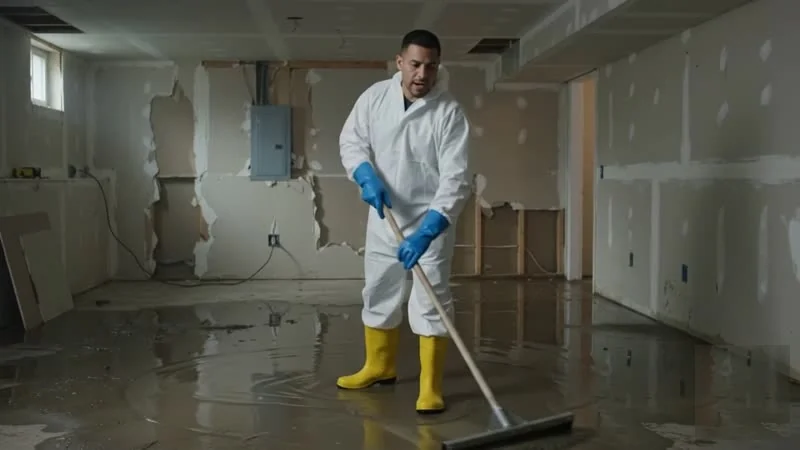
Unlike a vacant property, remediation in an occupied rental requires coordinating access with tenants, sometimes around work schedules or temporary relocation if the unit becomes unlivable during drying. Clear, written communication about timelines reduces disputes and keeps the tenant relationship intact. If you want to go deeper on this, our guide on Water Damage in Arizona Rental Properties: Landlord Responsibilities and Rights covers it well.
Separating Landlord and Tenant Responsibility
Structural damage — flooring, drywall, plumbing — is typically the landlord's responsibility, while damage to a tenant's personal belongings usually falls under the tenant's own renters insurance, if they have it. Clarifying this early avoids confusion about who files what claim. For background from an independent source, see OSHA's workplace safety guidance. the IICRC S500 restoration standard has useful guidance on this if you want to read further.
Multi-Unit Buildings Need a Broader Plan
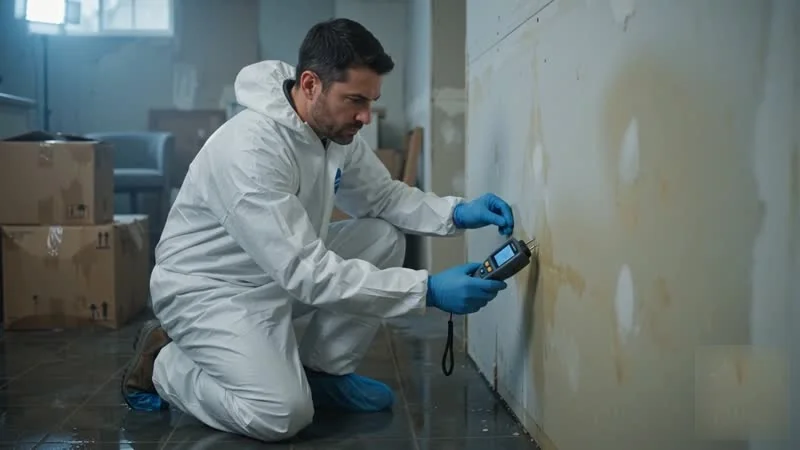
In a multi-unit property, a single water event can affect several units at once, particularly with plumbing stacked in shared walls. A property manager's checklist for multi-unit response helps ensure no affected unit gets overlooked while attention focuses on the most visibly damaged one. You can also review the Insurance Information Institute's business claims overview for an outside perspective on this.