Phoenix is not a uniform city — it is a collection of neighborhoods with dramatically different construction eras, building types, infrastructure ages, and geographic flood risk profiles. A restored 1950s bungalow in Willo Historic District faces completely different water damage risks than a new-construction home in Desert Ridge or a commercial warehouse in the industrial corridor near the airport.
Older Phoenix Neighborhoods: Mid-Century and Historic Districts
Phoenix neighborhoods developed in the 1940s–1970s — including Downtown Phoenix, Willo, Coronado, Garfield, Encanto, Roosevelt Row, and Alhambra — contain a combination of original and partially-updated plumbing systems that create specific water damage vulnerabilities. Galvanized steel supply lines, which were standard in construction through the 1960s, are well past their 40–60 year service life in these neighborhoods. We've answered a lot of related questions on answers to common questions.
Clay tile sewer laterals, common in mid-century Phoenix residential construction, are susceptible to root intrusion from the mature trees that characterize established Phoenix neighborhoods. The trees that make Willo, Coronado, and Encanto some of Phoenix's most desirable neighborhoods are also significant threats to their original sewer infrastructure.
Established Suburban Neighborhoods: 1980s–2000s Construction
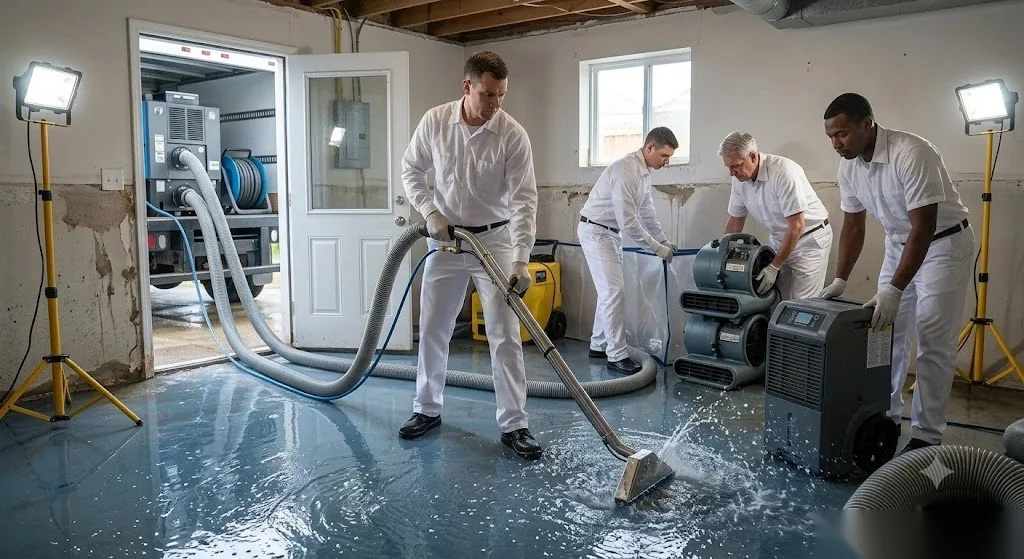
Phoenix neighborhoods developed in the 1980s through early 2000s — including parts of North Phoenix, Paradise Valley Village, Camelback East, Maryvale, Estrella Village, and South Mountain — contain the construction era most associated with copper supply line corrosion in Phoenix. Phoenix's water chemistry, particularly in portions of the service area that blend Colorado River and Salt River Project water, has been associated with accelerated copper pitting corrosion. the IICRC S500 standard sets the procedural benchmark restoration companies are expected to follow.
Flat and low-slope roof systems in commercial properties and many residential properties from this construction era are entering the phase of their life cycle where original roofing materials are reaching or exceeding their design life. EPDM membrane systems installed in the 1990s have a design life of 20–30 years; single-ply TPO systems from the early 2000s are at similar ages.
Newer Construction: Master-Planned Communities
Phoenix's master-planned communities — Desert Ridge, Ahwatukee Foothills, Norterra, Tramonto, Fireside at Desert Ridge, and similar developments — were built with modern materials and construction standards that significantly reduce many traditional water damage risks. PEX and CPVC supply lines have replaced copper in most new construction, eliminating the pitting corrosion vulnerability.
However, newer construction is not immune to water damage events — it simply has different vulnerabilities. Roof penetration seals on new construction can develop failures during the first 3–5 years as materials cure and experience thermal cycling under Phoenix conditions. the EPA provides background on how moisture control prevents mold growth in buildings.
The professionally managed HOA communities common in newer Phoenix developments create additional considerations for water damage response. HOA rules govern what systems and spaces are the homeowner's responsibility versus the HOA's responsibility, what contractors can work in the community, and what notification and insurance requirements apply to restoration work.
Commercial and Industrial Areas
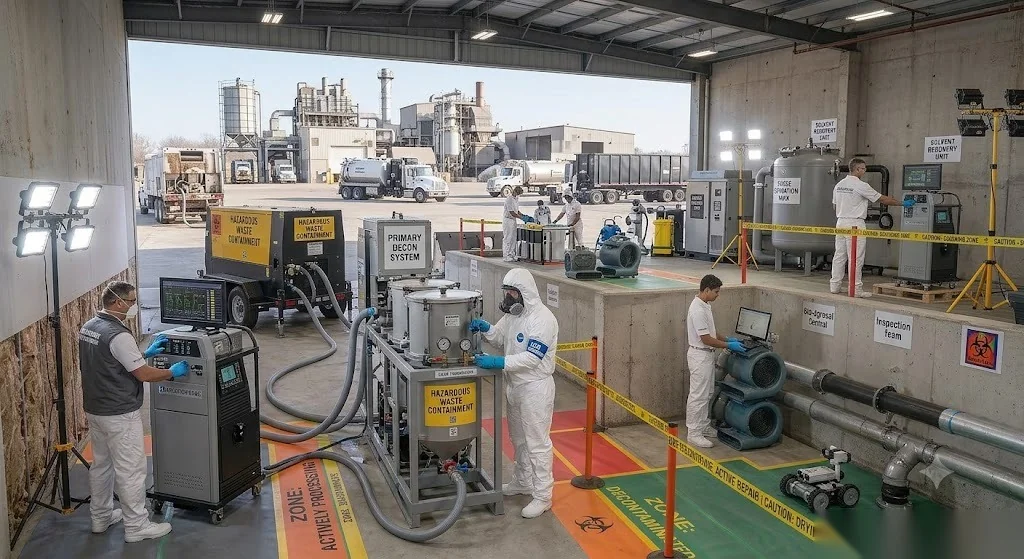
Phoenix's commercial and industrial zones — including the Sky Harbor airport corridor, the Central Avenue office district, Camelback Corridor, and the various industrial parks throughout the metro — have water damage risk profiles distinct from residential neighborhoods. Large floor plates, complex HVAC and fire suppression systems, older roof systems on commercial buildings constructed in the 1970s–1990s, and the operational consequences of any downtime all contribute to the commercial water damage risk picture. FEMA's National Flood Insurance Program explains how the National Flood Insurance Program covers flood losses.
Commercial properties in Phoenix's Central Business District and Camelback Corridor often have sophisticated building management systems that can detect water events through building automation — but many mid-century commercial buildings lack these systems entirely. Water damage events in these buildings may not be discovered until they are visible on lower floors, by which time the scope of a roof or upper-floor plumbing event may be extensive.
Industrial and warehouse properties face specific risks from aging roof systems, large-volume plumbing for industrial processes, and the presence of chemicals or materials that may be affected by or may interact with water damage events. Pre-planning for water damage response — knowing which materials and chemicals require special handling if water contact occurs, where emergency shut-offs are located, and what regulatory notification requirements apply — is a valuable risk management investment for Phoenix industrial property operators.