How Water Gets Into Wall Cavities
Water enters wall cavities through a pipe leak inside the wall, wicking up from a flooded floor, or migrating from an upstairs leak down through the framing. Once inside, it's invisible from the surface until staining, bubbling paint, or a musty smell gives it away. It's worth browsing our full list of restoration services to see which one matches what you're dealing with. If cost is on your mind, how our pricing works breaks down what typically drives the number up or down.
Injection Extraction as an Alternative to Demolition
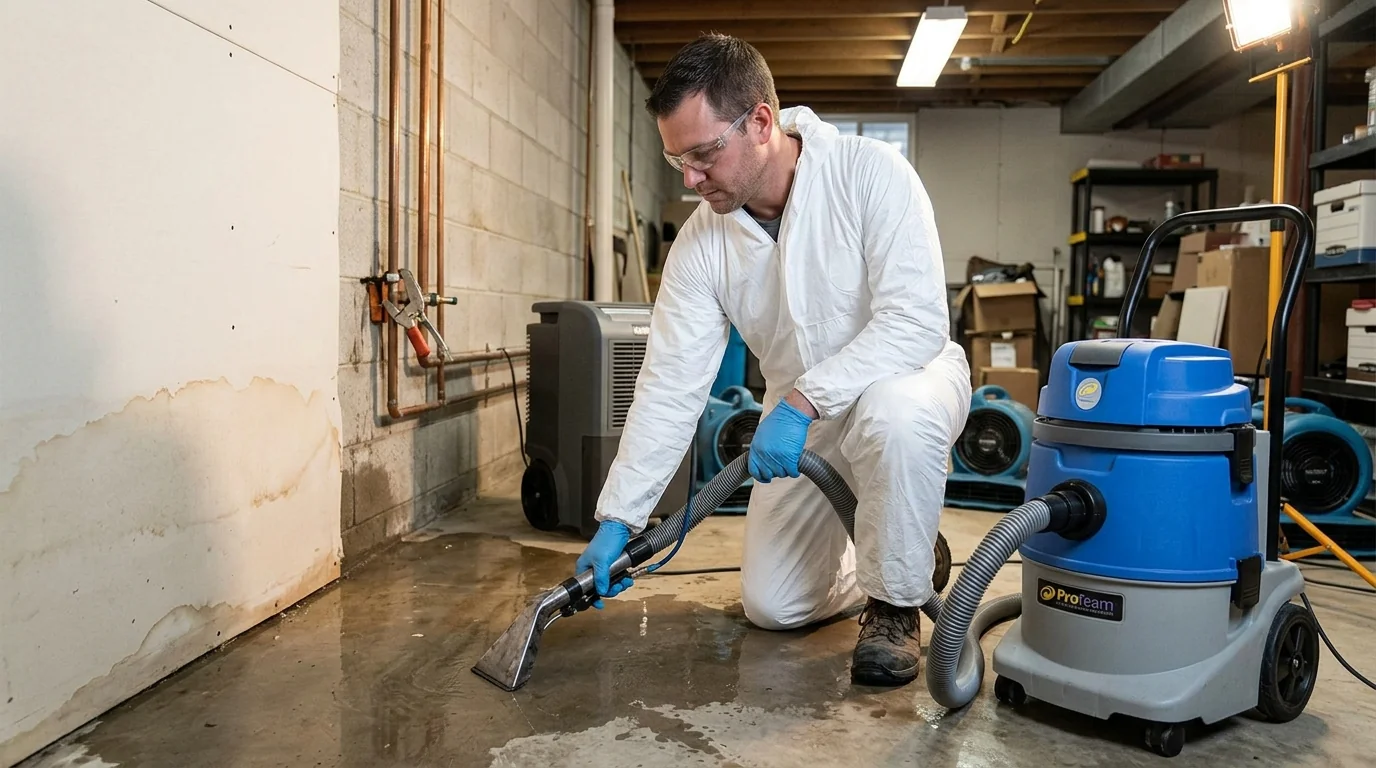
Rather than cutting open drywall immediately, crews can use small injection ports drilled at the base of the wall to attach extraction hoses directly to the wall cavity, pulling water out through the framing itself. This is often faster and less disruptive than removing drywall, especially for finished spaces. If you want to go deeper on this, our guide on Phoenix Water Damage Prevention Checklist: Annual Home Maintenance Guide covers it well. We also break this down further in Water Damage and Hardscape in Phoenix: Driveways, Patios, and Pool Decks.
When Demolition Is Still Necessary
If the wall cavity has been wet for an extended period, contains insulation that's saturated and can't be effectively dried in place, or shows signs of mold growth, removing the affected drywall section is usually the better long-term choice over injection extraction alone. For background from an independent source, see the IICRC S500 restoration standard. the Insurance Information Institute's claims overview has useful guidance on this if you want to read further.
Confirming the Cavity Is Fully Dry
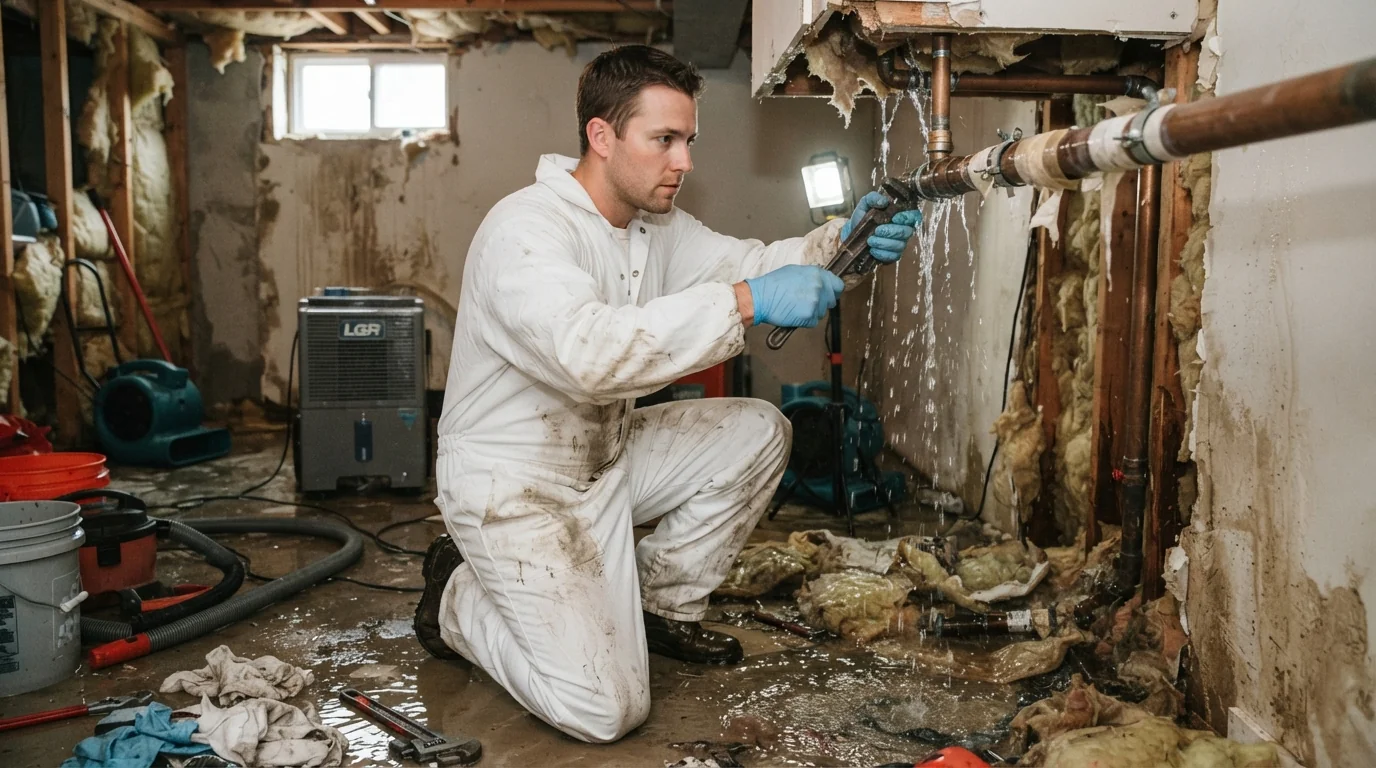
After injection extraction, moisture meters are used to confirm readings inside the wall cavity match dry standard before the wall is considered complete — closing up a wall that still holds moisture just delays a bigger problem. You can also review FEMA's National Flood Insurance Program for an outside perspective on this.