Why Slab Leaks Are Harder to Pinpoint
Unlike a leak behind an accessible wall, a slab leak is buried under a home's concrete foundation, which means there's no direct visual access and cutting into the slab in the wrong spot means unnecessary demolition and repair cost. Precision matters far more here than with most other leak types. It's worth browsing our full list of restoration services to see which one matches what you're dealing with. If cost is on your mind, how our pricing works breaks down what typically drives the number up or down.
Acoustic Detection as the Primary Method
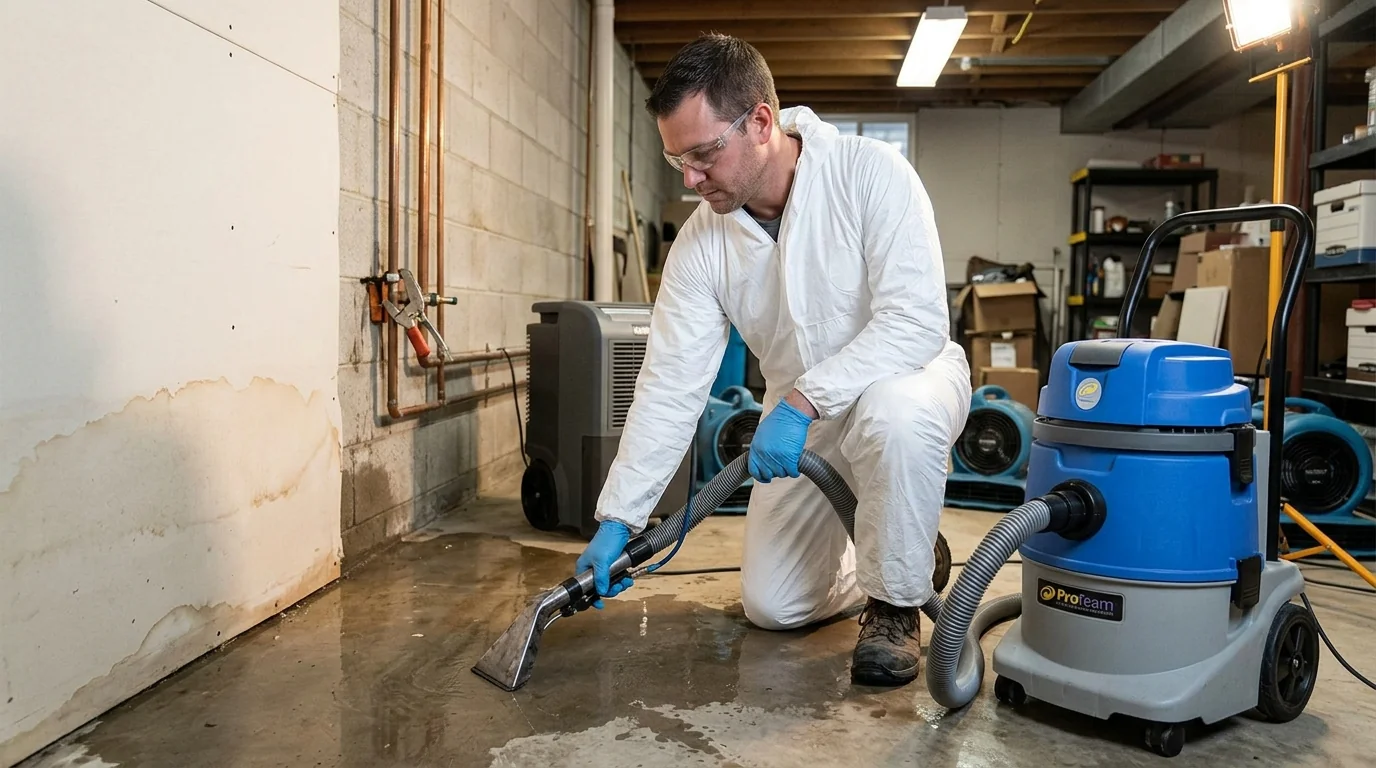
Acoustic leak detection is the workhorse tool for slab leaks, since sound from pressurized water escaping a pipe travels efficiently through both the pipe and the concrete itself. A technician moves a sensitive listening device across the slab surface, tracking where the leak sound is loudest to narrow down the exact location. If you want to go deeper on this, our guide on Burst Pipe Repair After Rare Phoenix Freeze Events covers it well. We also break this down further in Extraction After a Water Heater Failure: What Phoenix Homeowners Should Know.
Supporting Methods: Thermal and Pressure Testing
Thermal imaging can supplement acoustic detection by revealing a cooler patch on the slab surface where water has been present, and pressure testing the plumbing system can confirm whether a leak exists in the slab lines at all before more detailed location work begins. Combining these methods increases confidence in the final pinpointed location before any concrete is opened. For background from an independent source, see the IICRC S500 restoration standard. FEMA's National Flood Insurance Program has useful guidance on this if you want to read further.
What Happens After the Leak Is Found
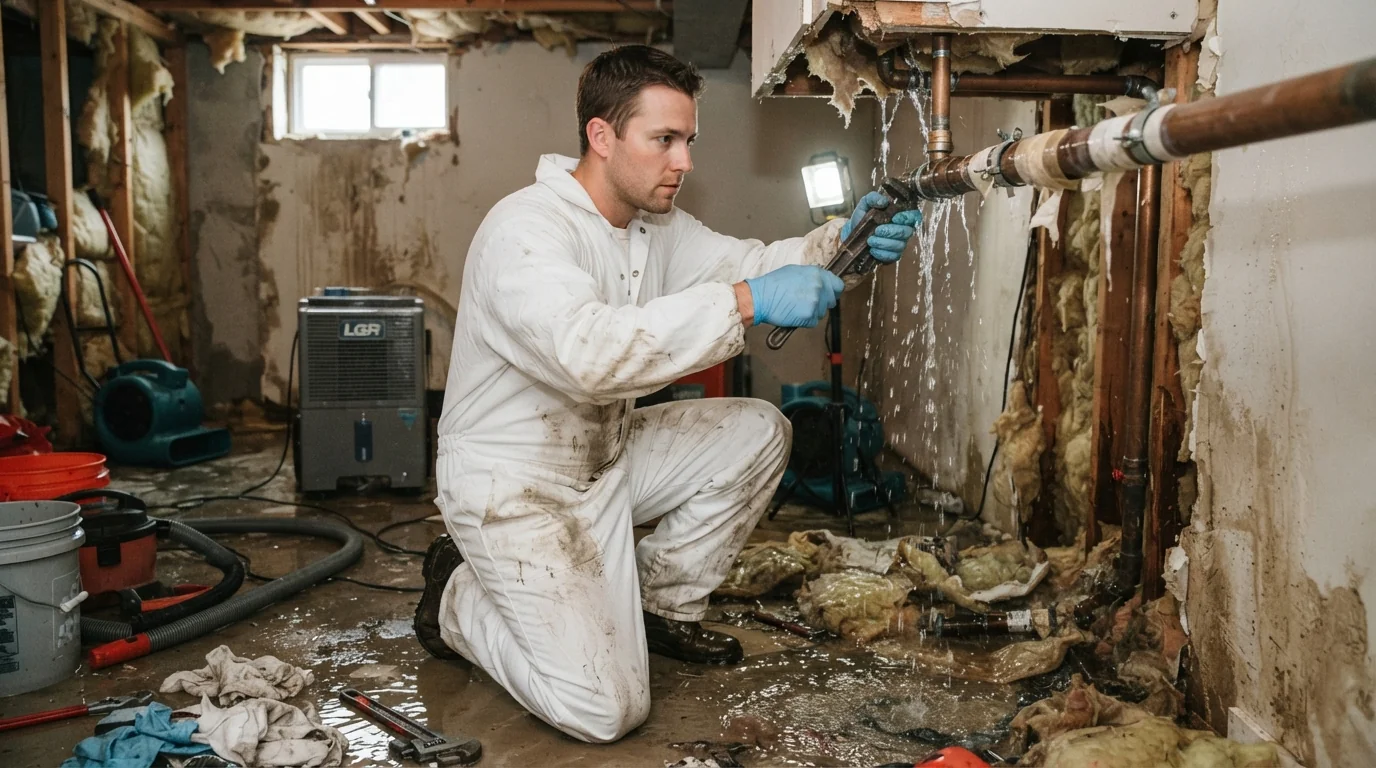
Once pinpointed, repair options generally include accessing the pipe directly through the slab at that specific spot, or rerouting the plumbing line entirely to avoid disturbing the slab at all. Our slab leak water damage guide covers what the water damage and drying side of this process typically looks like once the leak is confirmed. You can also review the Insurance Information Institute's overview of water damage claims for an outside perspective on this.