Understanding what incomplete structural drying actually leads to is one of the best reasons to insist on proper documentation before signing off on completed work.
Mold Growth: The Most Common Consequence
Materials left with residual moisture above target levels create sustained conditions favorable to mold growth, and this can happen inside wall cavities or beneath flooring where it isn't visible for weeks or months. Our guide to the 48-hour mold window covers the initial risk period, but incomplete drying extends that risk well past the first two days. If cost is on your mind, how our pricing works breaks down what typically drives the number up or down.
Wood Rot and Structural Deterioration
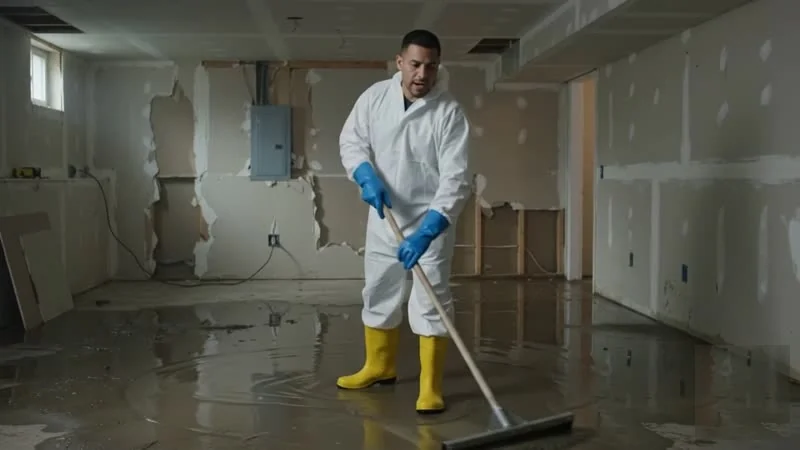
Wood framing members left with elevated moisture content over an extended period are vulnerable to fungal decay, which progressively weakens the wood's structural properties. Unlike mold, which is often addressable through remediation, structural wood rot frequently requires framing replacement — a considerably more invasive and expensive repair than completing the original drying properly. For background from an independent source, see the Insurance Information Institute's overview of water damage claims.
Flooring Failures Months Later
As covered in our slab drying guide, installing flooring over an insufficiently dry subfloor or slab is a leading cause of flooring failures that appear well after the original water event — cupping, buckling, or adhesive failure that seems disconnected from the original claim but traces directly back to incomplete drying. the Arizona Department of Insurance and Financial Institutions has useful guidance on this if you want to read further.
Odor That Won't Resolve
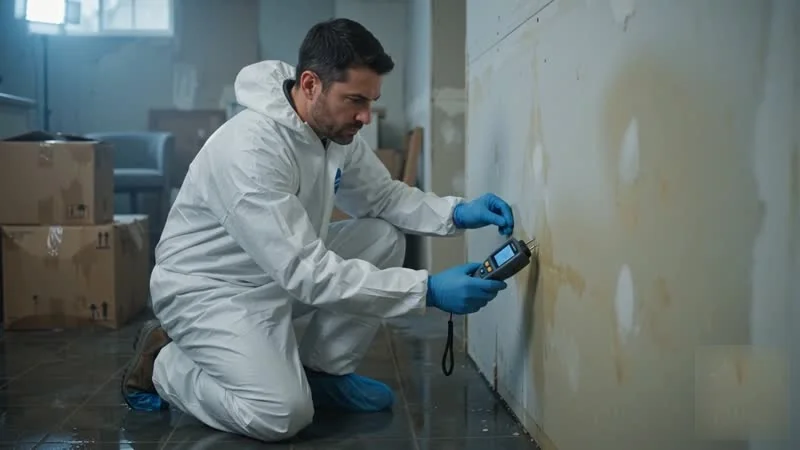
Persistent musty odors that return even after cleaning are frequently a sign of trapped moisture continuing to support microbial growth somewhere in the structure — often inside a wall cavity, beneath flooring, or in insulation that wasn't fully assessed during the original drying program. You can also review FEMA's National Flood Insurance Program for an outside perspective on this.
Why This Matters for Insurance and Liability
Secondary damage traced back to incomplete original drying can create disputes over whether it's covered as part of the original claim or treated as a new, potentially excluded loss. This is precisely why the documentation covered in our drying log guide matters — it's your evidence that the original drying met the required standard.