Safety Comes Before Speed
In any facility serving children, extraction crews prioritize containing the affected area completely before anything else — barriers and clear signage keep students and staff away from wet flooring, exposed equipment, and drying machinery throughout the process. It's worth browsing our full list of restoration services to see which one matches what you're dealing with. If cost is on your mind, how our pricing works breaks down what typically drives the number up or down.
Scheduling Around the Academic Day
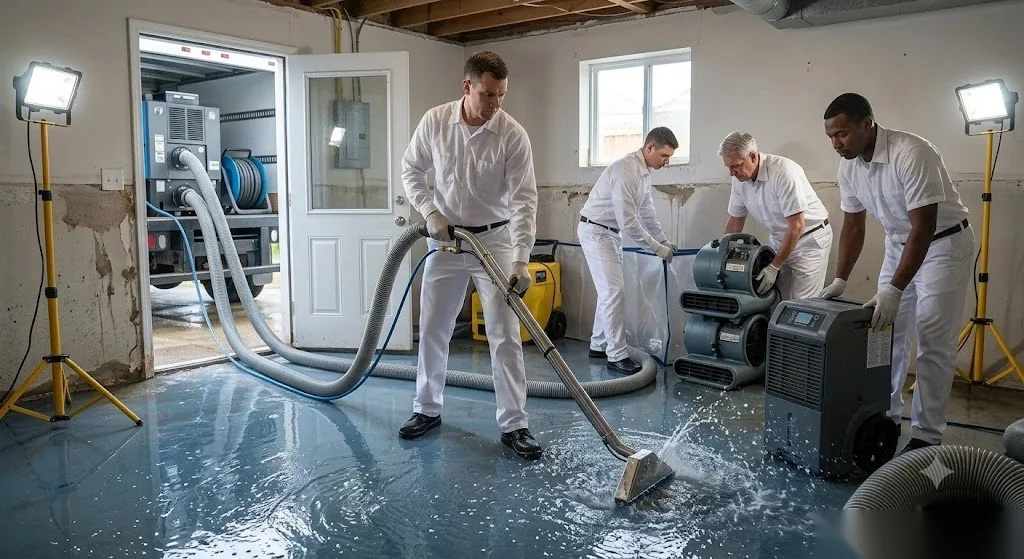
Where possible, extraction work is scheduled for after school hours, weekends, or breaks to avoid disrupting classes entirely. When a leak is discovered during active school hours, crews coordinate closely with facility staff to relocate the affected classroom while extraction proceeds safely. If you want to go deeper on this, our guide on Water Damage Restoration and Arizona Building Codes covers it well. We also break this down further in Preparing a Phoenix Property for Sale After Water Damage.
Common Sources in School Buildings
Restroom plumbing failures, kitchen or cafeteria appliance leaks, and roof leaks in older school buildings are frequent causes, along with HVAC-related water issues in buildings with rooftop units serving multiple classrooms. For a related situation, see our post on Smart Water Sensors for Phoenix Homeowners: Are They Worth It?. For background from an independent source, see the IICRC S500 restoration standard.
Documentation for Facility and District Records
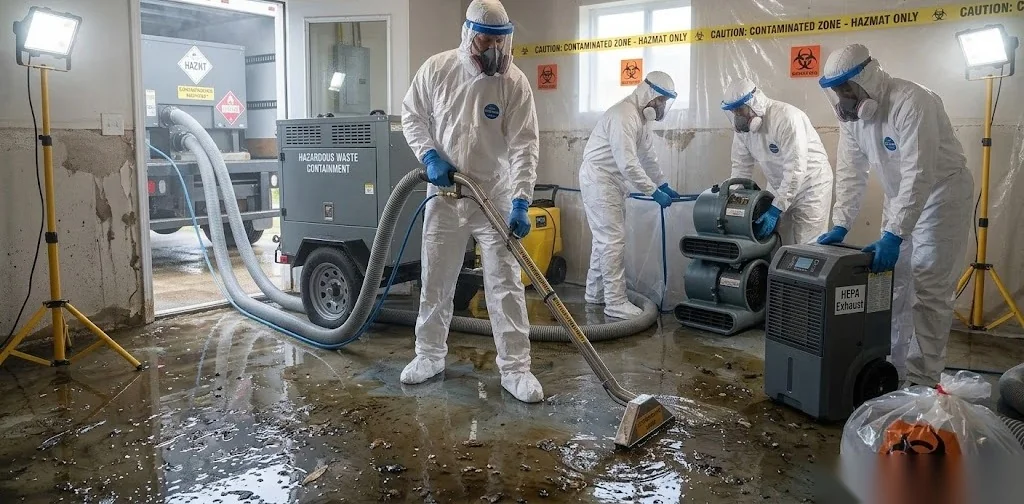
School districts and daycare licensing bodies often require specific documentation of any water damage event, including remediation steps taken — our reporting is built to support both insurance claims and these facility compliance requirements. the Insurance Information Institute's claims overview has useful guidance on this if you want to read further. You can also review FEMA's National Flood Insurance Program for an outside perspective on this.