Not every ceiling stain in a Phoenix home is caused by a roof leak. Water traveling through ceiling drywall can originate from a roof penetration, but it can just as easily come from a second-floor bathroom supply line, an HVAC condensate line, or a plumbing vent stack — and treating the wrong source means the actual leak continues while cosmetic repairs are wasted. Correctly diagnosing the source is the essential first step before any repair scope is set.
Timing Is the First Clue
A stain or active drip that appears during or immediately after a rain event strongly points toward a roof source. A stain that appears regardless of weather, or that correlates with upstairs shower or laundry use, points toward a plumbing source. HVAC condensate issues often correlate with cooling system run time, becoming more pronounced during Phoenix's peak summer cooling season regardless of rainfall. This applies across the Phoenix-area neighborhoods we serve, not just one part of the city.
Location Within the Home Matters

A stain on a top-floor ceiling directly below an open attic space is far more likely to be roof-related than a stain on a ground-floor ceiling below an occupied second story, which is more likely tied to plumbing running through that upper floor. Stains that appear near known plumbing chases, bathroom walls, or HVAC air handler locations shift suspicion toward those systems. You can learn more about our Phoenix water damage restoration company and how we help Phoenix homeowners recover quickly.
How Thermal Imaging Resolves Ambiguous Cases
Thermal imaging cameras reveal the temperature differential created by moisture within a wall or ceiling cavity, allowing technicians to trace a visible stain back toward its actual moisture pathway rather than guessing based on stain location alone. This is particularly valuable in multi-story homes where water can travel significant horizontal distances before becoming visible. For background from an independent source, see the EPA's guidance on moisture and mold.
Moisture meters provide a second layer of confirmation, measuring relative moisture content at specific points to map the extent and direction of the affected area, which helps confirm whether the pattern is consistent with a roof-sourced leak traveling downward or a plumbing-sourced leak spreading from a specific pipe location. the IICRC S500 restoration standard has useful guidance on this if you want to read further.
Why Getting the Diagnosis Right Matters for Repair and Insurance
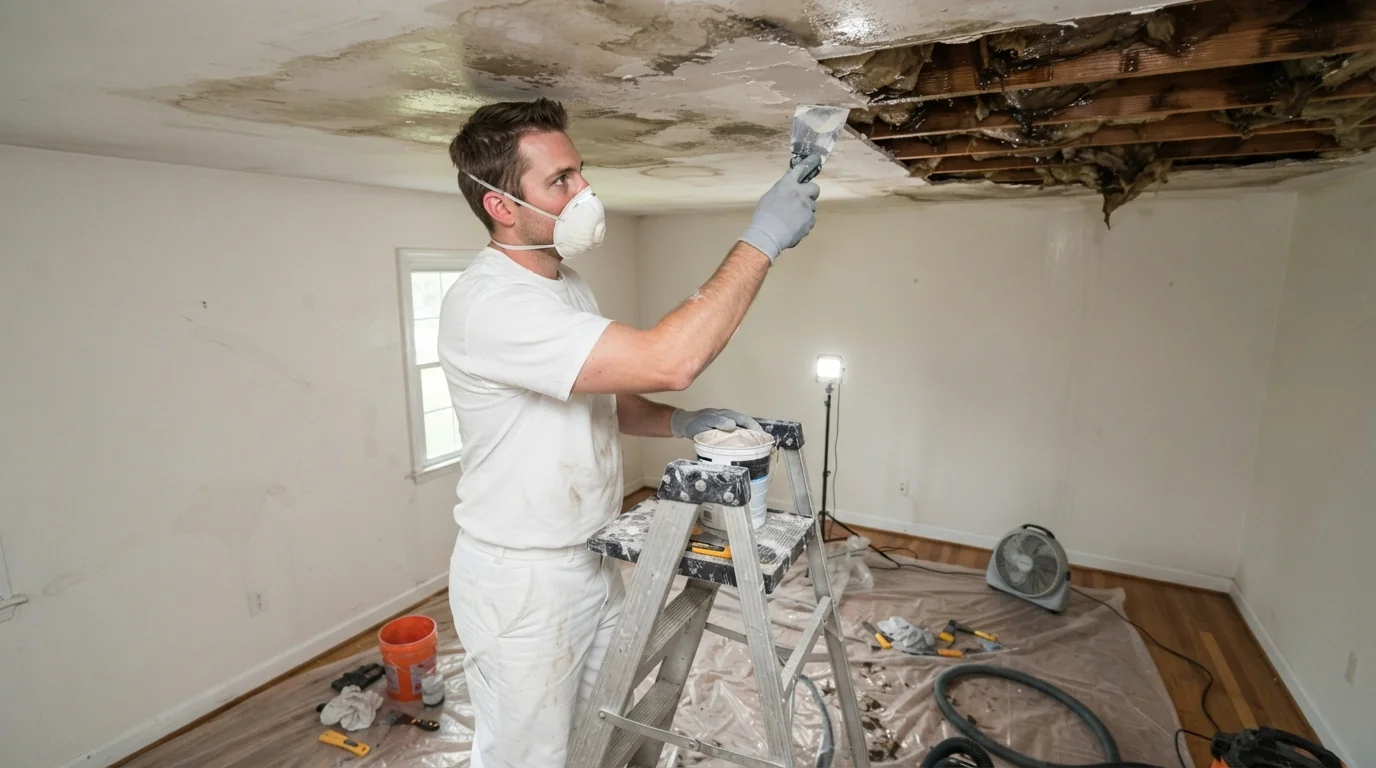
Insurance claims often hinge on correctly identifying the source, since roof damage from a storm event and a failed plumbing fixture may fall under different coverage terms or deductibles within the same policy. An inaccurate initial diagnosis can delay a claim or result in repairs that address the wrong system entirely, leaving the actual leak active and the damage recurring. Burst pipe water damage repair follows a distinctly different protocol than roof leak repair, which is why accurate source identification always precedes scope-setting. You can also review the Insurance Information Institute's claims overview for an outside perspective on this.