When Phoenix homeowners search for roof leak water damage repair costs, they often find wildly different figures with little explanation of why. The truth is that roof leak restoration cost depends on several distinct, quantifiable factors — and understanding them helps set realistic expectations before a technician even arrives for assessment.
Affected Square Footage and Number of Rooms
The most direct cost driver is simply how much interior area was affected. A single small ceiling stain in one room costs far less to remediate than water that has traveled across an attic and affected multiple rooms below — since drying equipment, material replacement, and labor all scale with the affected area. If cost is on your mind, how our pricing works breaks down what typically drives the number up or down.
How Long the Leak Was Active Before Discovery
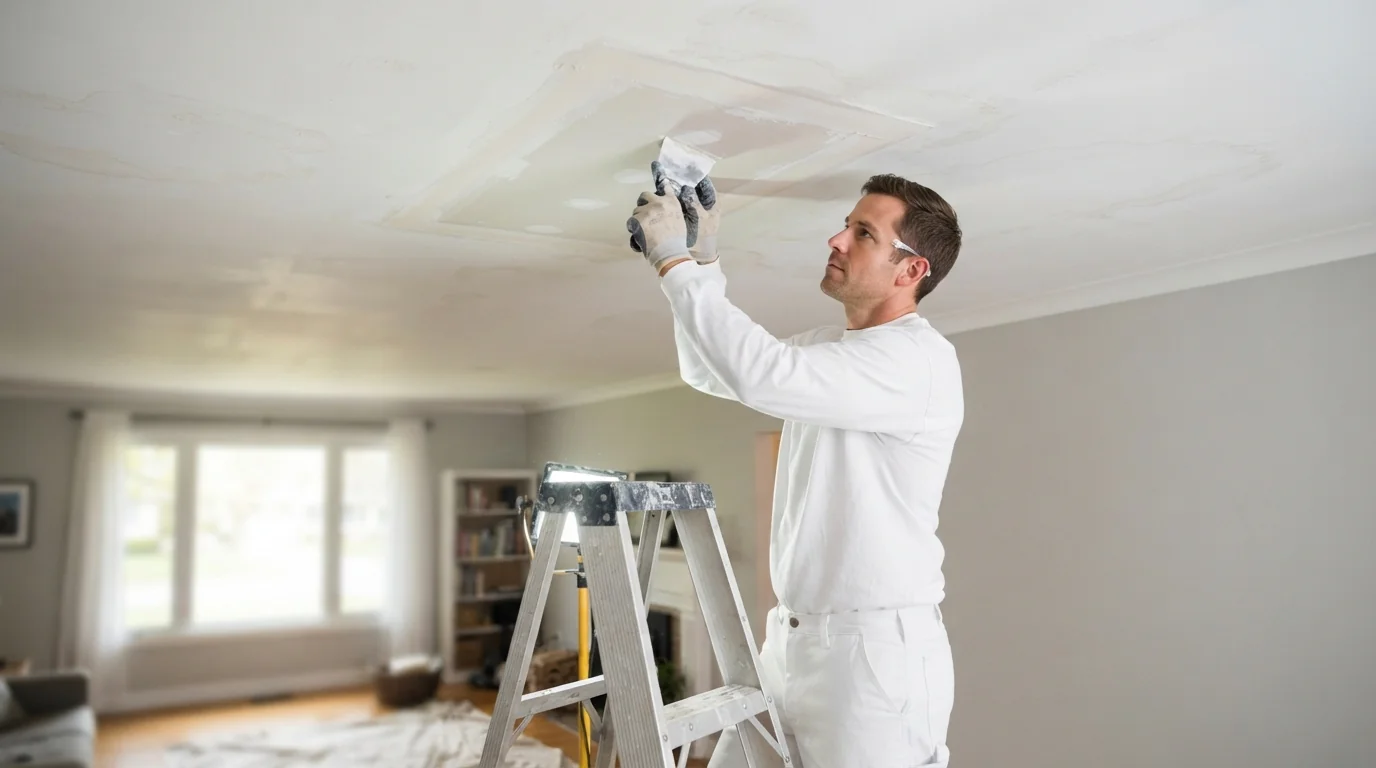
A leak discovered and addressed within hours of onset typically involves less secondary damage than one that went unnoticed for days or weeks. Extended moisture exposure increases the likelihood that materials beyond simple drywall — insulation, framing, subfloor, or finish flooring — become saturated and require replacement rather than drying, which meaningfully increases scope and cost. For background from an independent source, see the EPA's guidance on moisture and mold.
Materials Affected: Drywall, Insulation, Framing, and Flooring
Drywall that has only been lightly stained but remains structurally sound can sometimes be dried, primed, and repainted rather than replaced. Drywall that has delaminated, bubbled, or sagged from saturation must be removed and replaced. Wet attic insulation is typically replaced rather than dried. Framing members that test within an acceptable moisture range after drying rarely need replacement, while those with active rot require structural carpentry work that adds meaningfully to the project cost.
Whether Mold Remediation Is Required
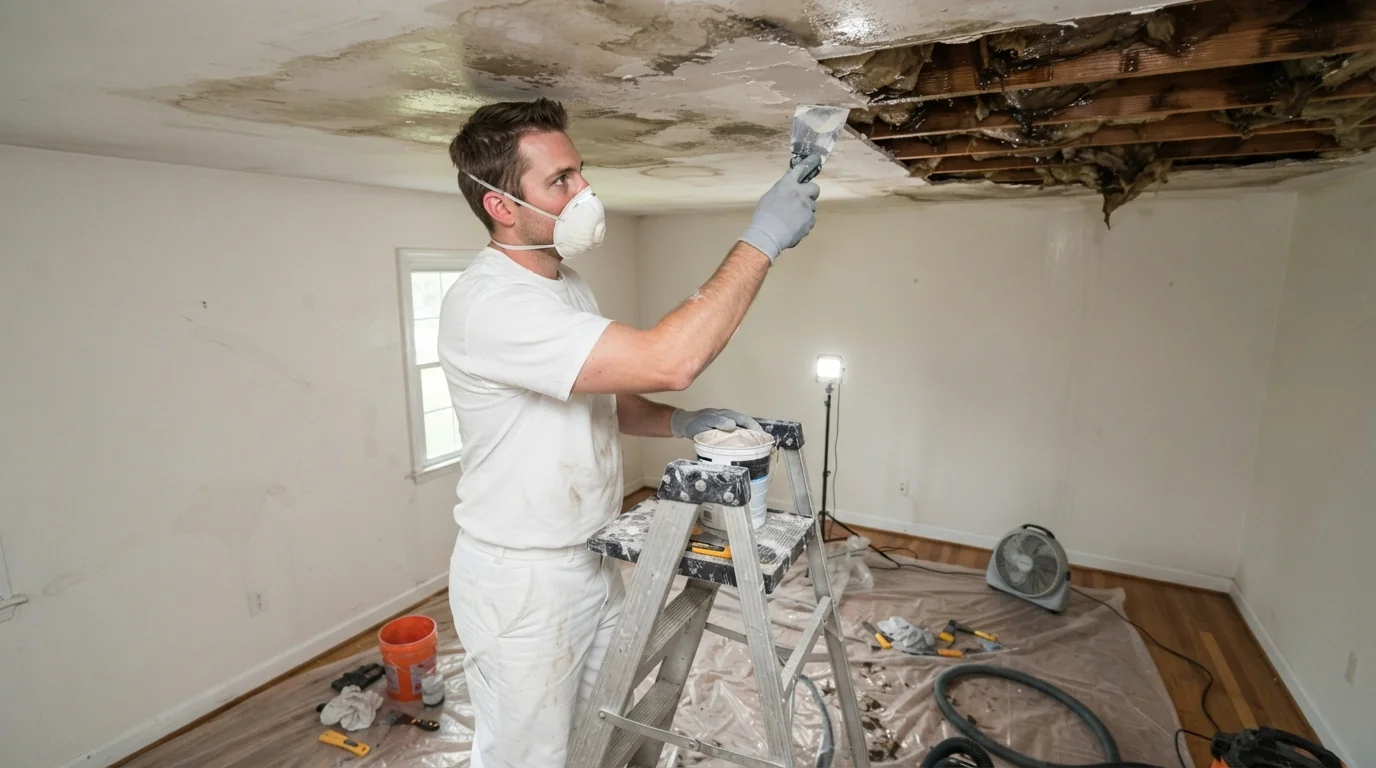
Given Phoenix's high attic temperatures, mold growth can develop within 48-72 hours of sustained moisture exposure in organic materials. If visible mold or elevated moisture readings indicate remediation is needed, this adds a distinct phase of the project — mold remediation requires containment, air filtration, and specific removal protocols beyond standard drying and repair. the IICRC S500 restoration standard has useful guidance on this if you want to read further.
Roof Repair Itself vs. Interior Restoration
It's worth noting that the roof repair itself — patching or replacing the failed roofing material — is typically performed by a separate roofing contractor and billed separately from the interior water damage restoration. Interior restoration companies coordinate with roofers for emergency tarping to stop active water intrusion, but permanent roof repair falls under the roofing trade. You can also review the Insurance Information Institute's claims overview for an outside perspective on this.
Insurance Coverage and Deductibles
For insured events, your out-of-pocket cost is largely determined by your policy's deductible rather than the total restoration cost, since the covered portion is billed directly to insurance in most arrangements. Understanding your specific policy terms before a loss occurs helps clarify what your actual exposure will be.