Phoenix's extreme attic temperatures create a paradox when it comes to mold risk after a roof leak: the same intense heat that seems like it should dry everything out quickly actually creates ideal conditions for rapid mold growth when moisture is trapped within insulation, framing, or roof decking materials. Understanding this dynamic is essential to preventing mold after any roof leak event.
Why Heat Doesn't Automatically Mean Dryness
Phoenix attic temperatures regularly exceed 130-150°F during summer months — conditions that fall well within the range that accelerates mold growth when combined with sufficient moisture and an organic food source (wood framing, paper-faced insulation, or dust). Surface moisture may evaporate relatively quickly in this heat, but moisture trapped within the interior of insulation batts, inside wood framing members, or beneath roof decking can persist far longer than the visible surface dryness would suggest — and this trapped moisture, combined with sustained high heat, creates conditions where visible mold can appear within 48-72 hours. You can learn more about our Phoenix water damage restoration company and how we help Phoenix homeowners recover quickly.
Why Insulation Removal Is Central to Prevention
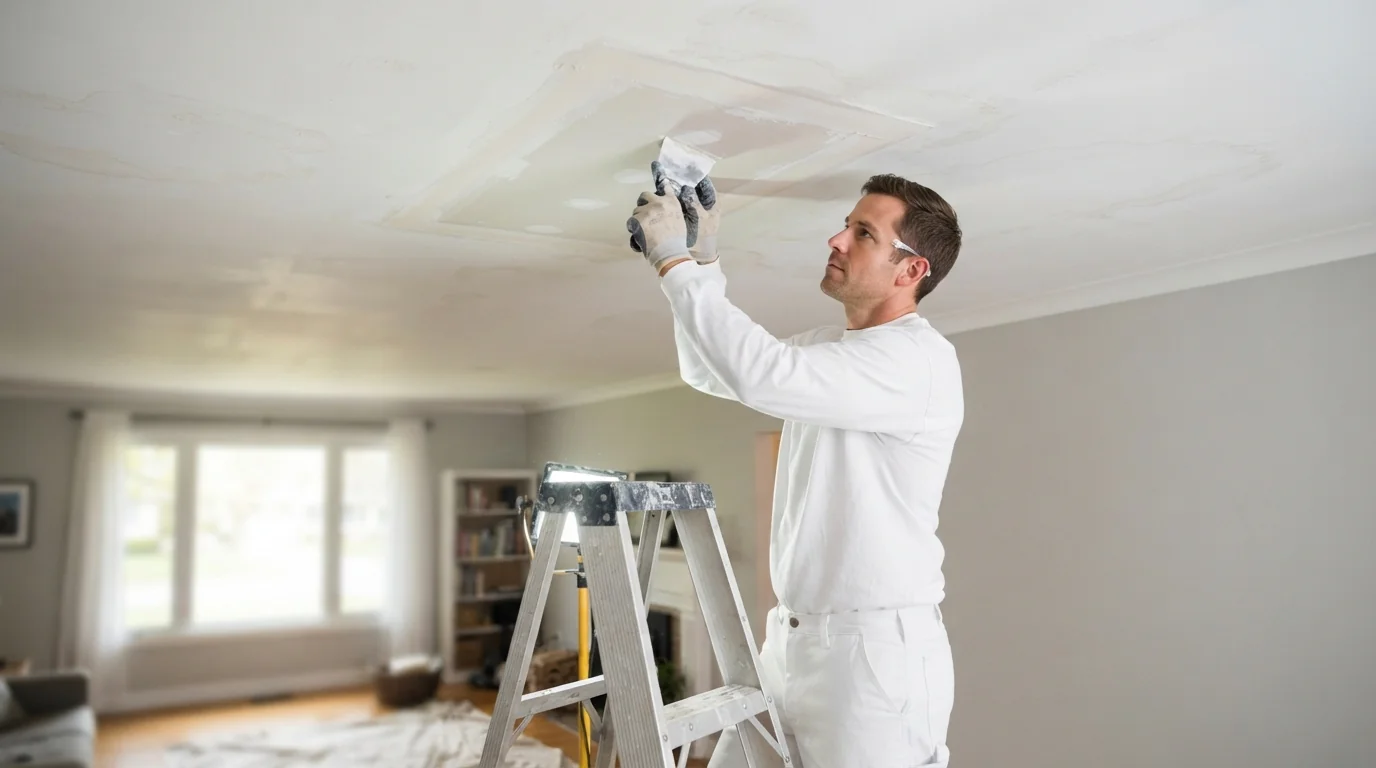
Wet insulation should generally be removed rather than dried in place, since fiberglass and cellulose both retain water long after they appear surface-dry, continuing to hold moisture against framing and roof decking exactly where mold is most likely to develop. Removing saturated insulation eliminates this ongoing moisture reservoir and allows the actual structural materials to be assessed and dried directly. For background from an independent source, see the EPA's guidance on mold and moisture control.
Proper Drying Protocol for Attic Framing
Once insulation is removed, exposed framing and roof decking are dried using targeted air movement and, when appropriate, dehumidification — even in a naturally hot attic space, controlled air movement across wet framing surfaces accelerates evaporation and moves the resulting humid air out of the space rather than allowing it to recirculate and re-condense. Thermal imaging and moisture meter readings confirm when framing has actually reached an acceptable dryness level, rather than relying on visual assessment or the passage of time alone. the CDC's mold exposure and health information has useful guidance on this if you want to read further.
When Antimicrobial Treatment Is Appropriate
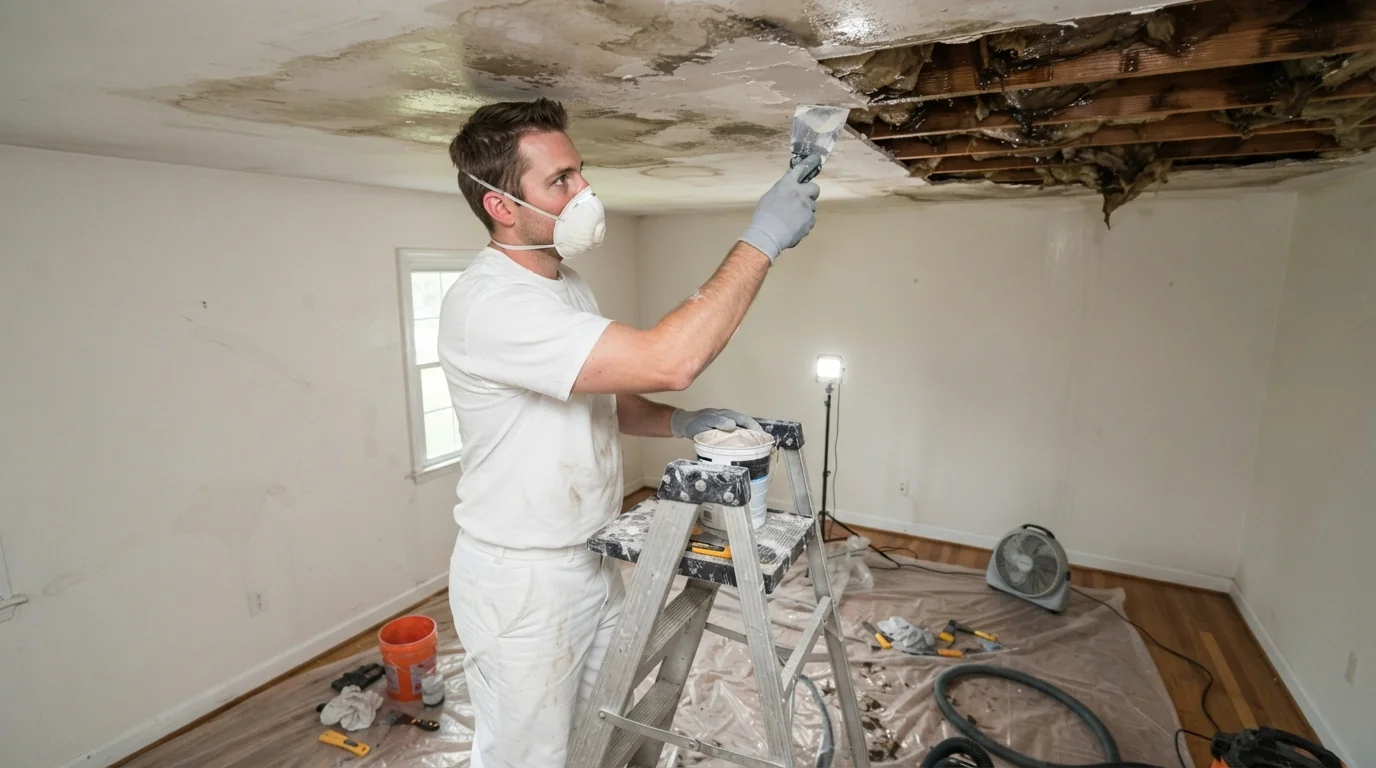
For attic materials that were wet for an extended period, or in cases where conditions were favorable for early-stage mold growth even without visible evidence yet, antimicrobial treatment of the affected framing and decking provides an additional layer of protection before new insulation is installed. This treatment is typically applied after materials have been confirmed dry, not as a substitute for proper drying. You can also review the IICRC S500 water damage restoration standard for an outside perspective on this.
Post-Repair Monitoring
After a roof leak repair and drying process is complete, periodic monitoring of the affected attic area — particularly through the following monsoon season — helps confirm the repair has held and no recurring moisture is developing. Musty odors, visible discoloration on framing, or unexplained increases in indoor humidity readings near the affected area are signs that warrant a follow-up inspection.