When a roof leak allows water into a Phoenix attic, the insulation layer is typically the first material affected — and it is also the material most often mishandled in DIY or under-scoped repairs. Attic insulation behaves very differently from other wet building materials, and understanding why it usually needs full removal rather than drying changes the entire repair approach. It's worth browsing our full list of restoration services to see which one matches what you're dealing with.
Why Fiberglass Batt Insulation Cannot Simply Be Dried
Fiberglass batt insulation loses a significant portion of its thermal (R-value) performance once compressed or matted by water, even after it appears to dry out. The fibers lose their loft and no longer trap the air pockets responsible for insulating performance. Beyond the performance loss, wet fiberglass acts as a moisture reservoir against the ceiling drywall below, continuing to feed moisture into the assembly for an extended period after the original leak has stopped. If cost is on your mind, how our pricing works breaks down what typically drives the number up or down.
Blown-In Cellulose: An Even Greater Concern
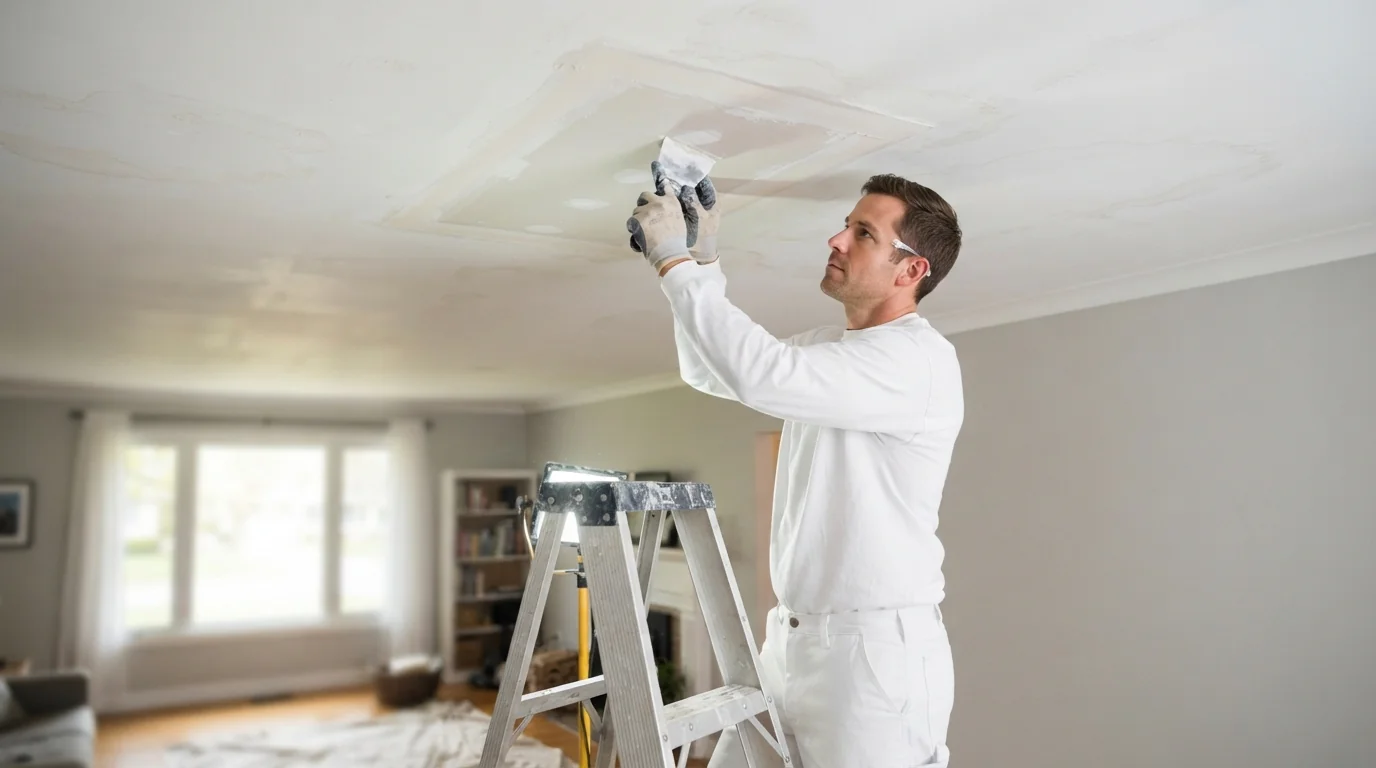
Blown-in cellulose insulation, common in many Phoenix attics for its energy efficiency, is made from treated paper fiber and absorbs water readily. Once wet, it becomes dense, compacted, and extremely heavy — creating a real structural load concern on ceiling drywall that was never designed to support saturated insulation weight. Wet cellulose is also highly conducive to mold growth given Phoenix attic temperatures, which regularly exceed 130-150°F in summer months and accelerate biological growth in any organic material with sufficient moisture. If you want to go deeper on this, our guide on Roof Age and Leak Risk: What Phoenix Homeowners Should Know covers it well.
The Removal and Replacement Process
Proper protocol calls for removing all insulation that has been directly wetted, along with a reasonable margin of surrounding material to account for lateral moisture spread. The exposed ceiling drywall and framing are then assessed with thermal imaging and moisture meters to confirm they are dry before new insulation is installed — installing new insulation over undried framing simply traps moisture against the wood and invites rot and mold. For background from an independent source, see the EPA's guidance on moisture and mold.
Framing members themselves are dried using targeted air movement, and in some cases, injection drying techniques for enclosed cavities. Only once moisture content readings confirm the framing has returned to an acceptable range is new insulation installed. the IICRC S500 restoration standard has useful guidance on this if you want to read further.
Why This Matters for Energy Bills and Air Quality
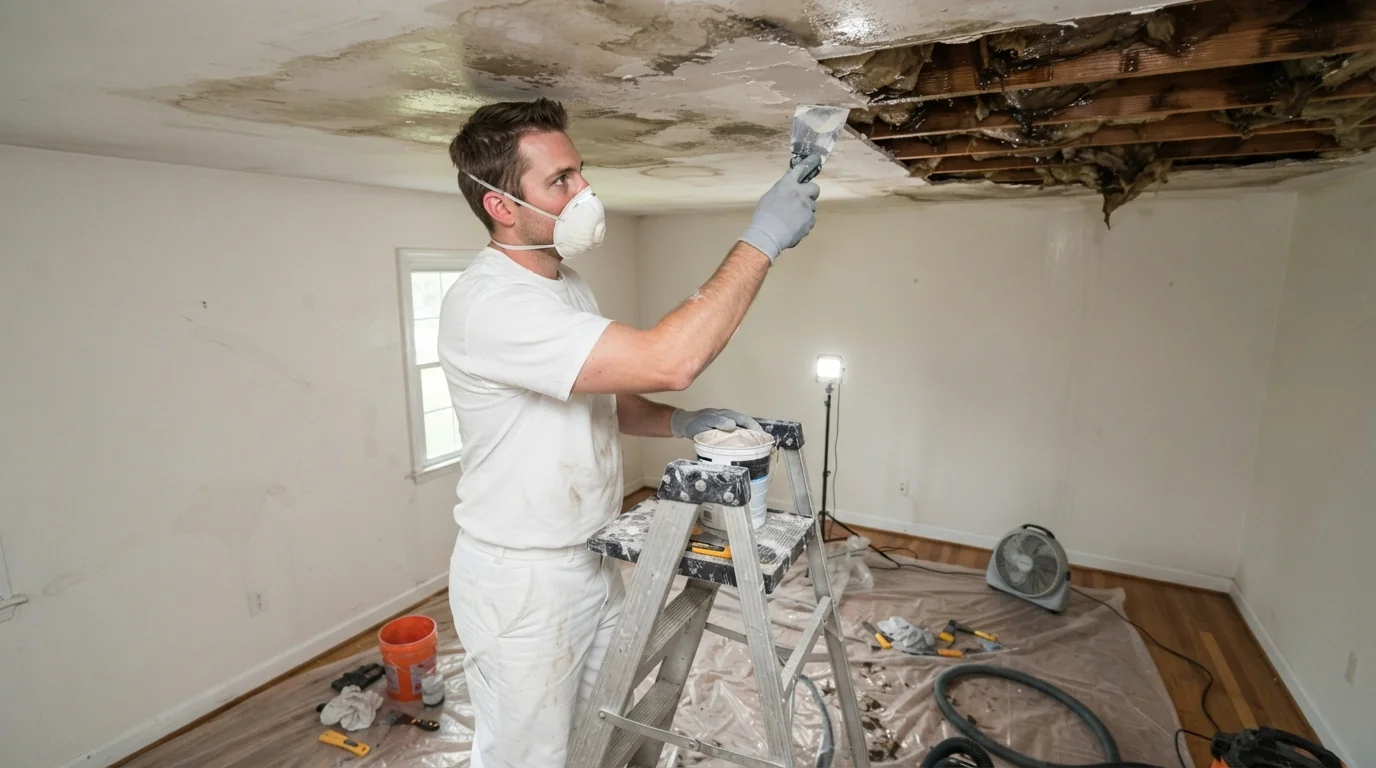
Beyond the immediate water damage concern, compromised attic insulation directly affects home energy efficiency — a critical issue in Phoenix, where cooling costs make up the majority of most households' summer utility bills. Mold growth in attic insulation can also affect indoor air quality if HVAC returns are located near or within the affected attic space, since spores can be drawn into the circulated air. You can also review the Insurance Information Institute's claims overview for an outside perspective on this.