Skylights add natural light and visual interest to Phoenix homes, but they also introduce one of the most common failure points in an otherwise sound roof system. Any roof penetration is inherently more vulnerable than an unbroken membrane surface, and the flashing details around a skylight require precise installation to remain watertight through years of intense sun exposure and thermal cycling — making roof leak water damage around skylights a recurring issue for restoration crews across the valley.
Why Skylight Flashing Fails Over Time
Skylight flashing consists of layered metal or membrane pieces designed to shed water around the raised curb of the skylight unit. Phoenix's UV exposure is among the most intense in the country, and prolonged sun exposure degrades sealants and gaskets at the skylight frame far faster than in milder climates. Once a sealant bead cracks or shrinks away from the frame, water finds a direct path along the flashing and into the roof deck below. If a situation like this is happening right now, you can request emergency service and we'll get moving.
Thermal expansion and contraction of the skylight frame itself — often a different material than the surrounding roof deck — creates ongoing micro-movement at the flashing joint, which over years of cycling can work even a well-installed flashing detail loose. It's worth browsing our full list of restoration services to see which one matches what you're dealing with.
Early Warning Signs Around a Skylight
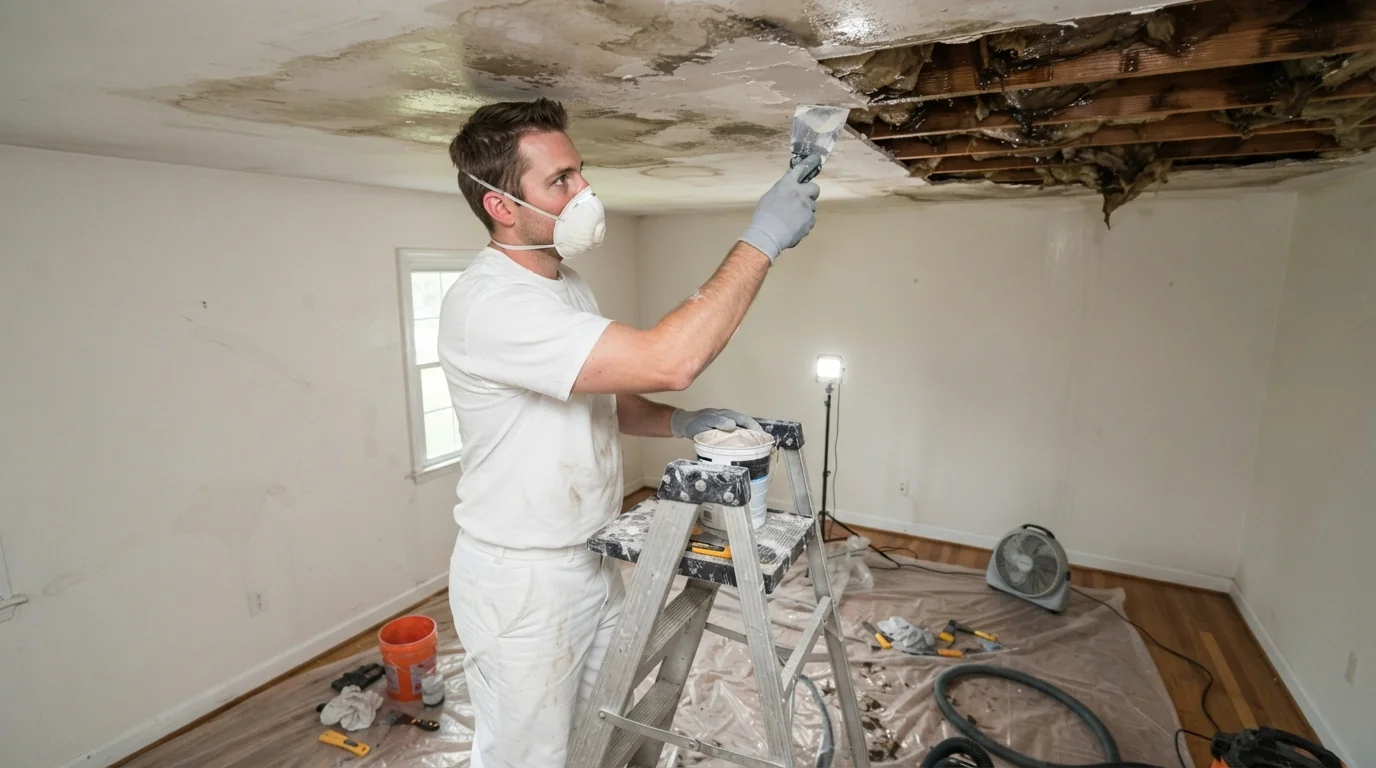
Discoloration or staining on the drywall immediately surrounding the skylight well is the most common early indicator. Condensation on the interior glass — particularly during Phoenix's cooler months — can sometimes be mistaken for a leak, so distinguishing between condensation and an actual water intrusion is an important first diagnostic step. A musty odor near the skylight, visible daylight gaps at the frame edge, or water tracking down the interior well framing are all signs that warrant prompt inspection. For background from an independent source, see the EPA's guidance on moisture and mold.
Assessing the Damage Beyond the Visible Stain
Because skylight wells are often framed with a narrow chase running from the roof deck down to the ceiling opening, water intrusion can travel within this chase and affect materials well beyond the immediate skylight surround. Thermal imaging is particularly useful here, since it can reveal moisture migration within the wall cavity of the light well that would not be visible from either the roof or the room below. the IICRC S500 restoration standard has useful guidance on this if you want to read further.
If the leak has been ongoing for an extended period, framing members within the skylight well and surrounding ceiling joists should be checked with moisture meters before any drywall repair begins, to confirm the wood itself has not been compromised. You can also review the Insurance Information Institute's claims overview for an outside perspective on this.
Repair and Prevention
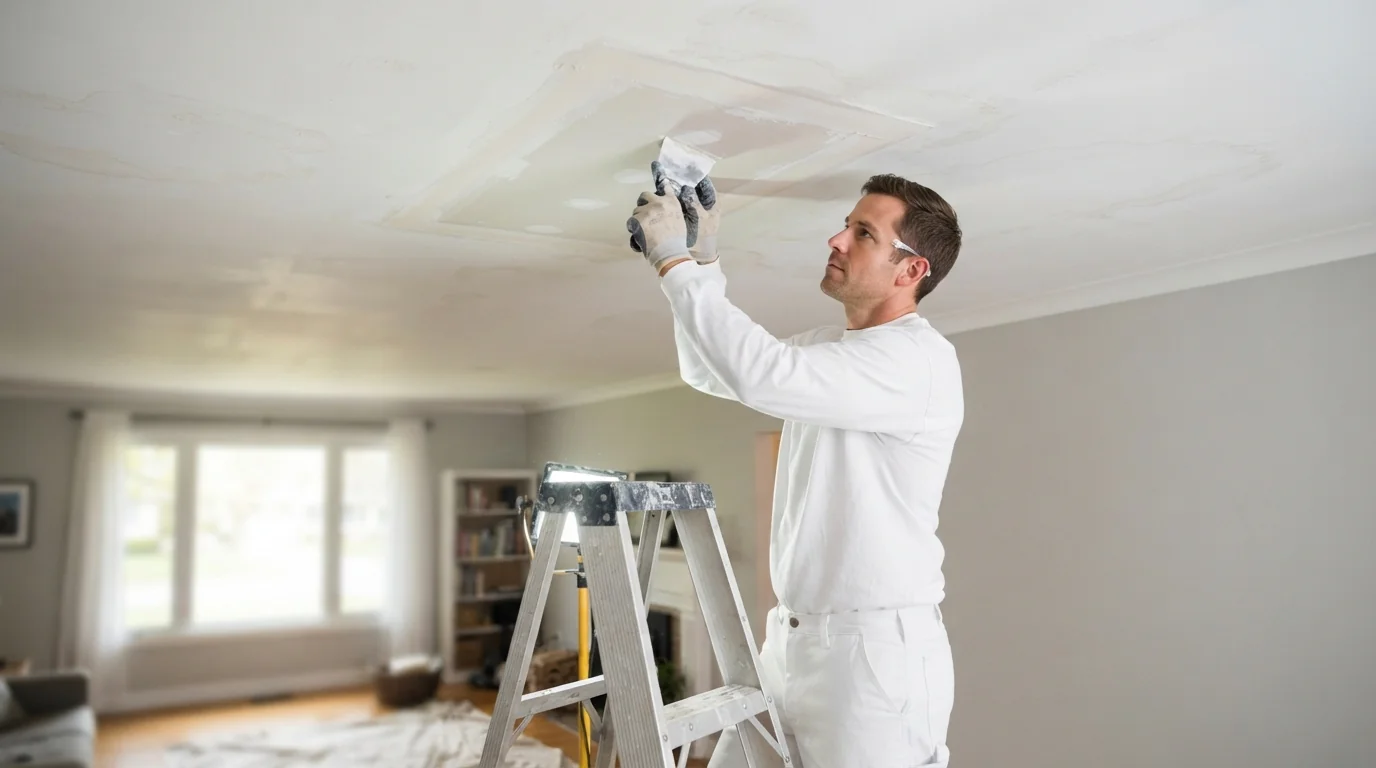
Repair typically involves a licensed roofing contractor removing and reflashing the skylight, often with updated sealant materials rated for high-UV desert climates. On the interior, affected drywall, insulation within the light well chase, and any affected framing are addressed following standard structural drying protocols before finishes are restored.