Why Irrigation Leaks Are Easy to Miss
Landscaping irrigation lines run on timers, often overnight, which means a break can run for hours before anyone sees standing water. Because the source is outside, water frequently enters through foundation gaps or stucco cracks well before it's visible indoors. This applies across the Phoenix-area neighborhoods we serve, not just one part of the city. You can learn more about our Phoenix water damage restoration company and how we help Phoenix homeowners recover quickly.
Extraction Starts With Finding the Source
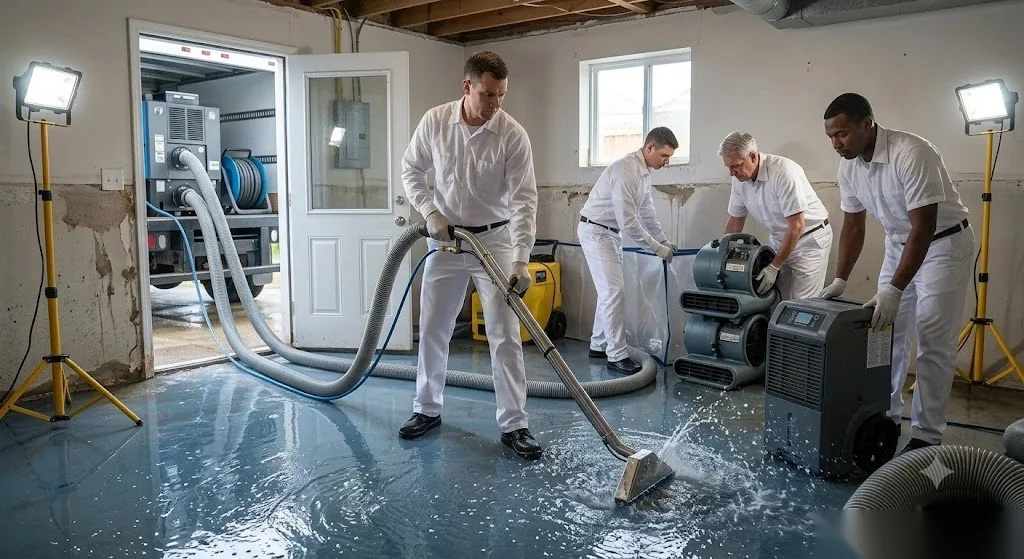
Before extraction begins, crews trace the entry point — usually along an exterior wall where soil grading pushes water toward the foundation rather than away from it. Shutting off the irrigation valve is the first step; extraction on a slab or in a crawl space with an active leak just means doing the job twice. If you want to go deeper on this, our guide on Repiping vs. Spot Repair: Deciding After a Leak Detection Report covers it well. We also break this down further in Phoenix HOA Water Damage: Who Is Responsible?.
Slab Foundations Complicate Extraction
Most Phoenix homes sit on slab foundations, so irrigation water that reaches the perimeter can wick up through drywall and baseboards from the bottom rather than pooling visibly on the floor. Moisture meters are used along the base of affected walls to map how far the water traveled before extraction and drying equipment is placed. For a related situation, see our post on How to Prevent Water Damage in Your Phoenix Home: Annual Checklist. For background from an independent source, see the IICRC S500 restoration standard.
Preventing a Repeat Event
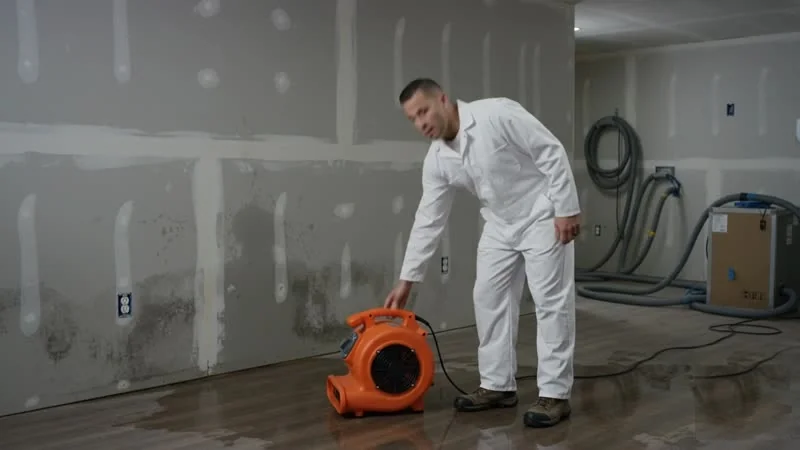
Once extraction is complete, we recommend checking irrigation line pressure and grading away from the foundation — a landscaper or plumber can typically identify and repair a broken line in under an hour once it's located. the Insurance Information Institute's claims overview has useful guidance on this if you want to read further. You can also review FEMA's National Flood Insurance Program for an outside perspective on this.