Factors That Drive HVAC Cleanup Costs
The cost of HVAC water damage cleanup depends primarily on how much of the system was affected and whether ductwork needs cleaning versus full replacement. A localized issue, such as a condensate overflow affecting only the drain pan and immediate surroundings, costs significantly less than a whole-system event where ductwork throughout the property needs attention. This applies across the Phoenix-area neighborhoods we serve, not just one part of the city. You can learn more about our Phoenix water damage restoration company and how we help Phoenix homeowners recover quickly.
Accessibility also matters — ductwork in an easily reached attic space is less expensive to service than ductwork inside finished ceilings or walls that require more labor to access. If you want to go deeper on this, our guide on The Real Cost of Water Damage Restoration in Phoenix AZ covers it well.
Typical Price Ranges
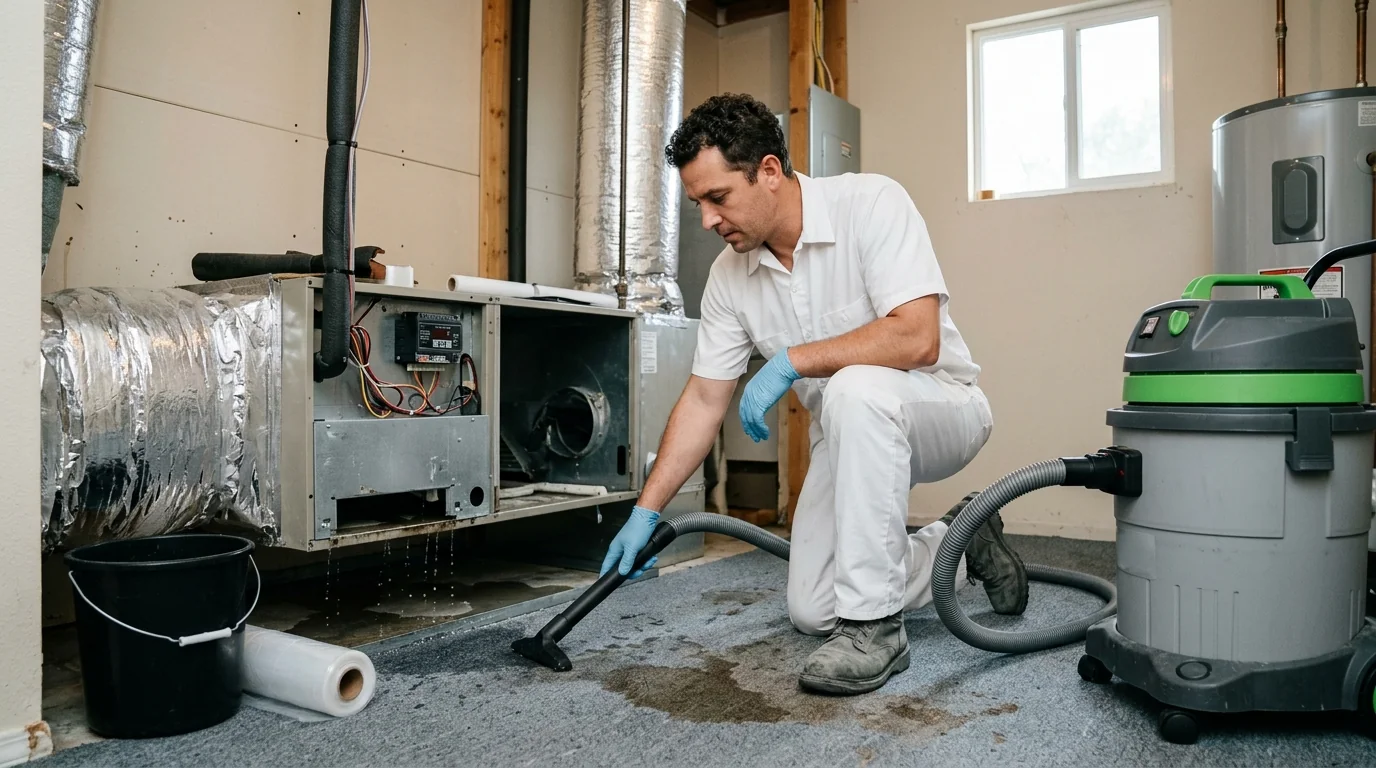
Cleaning and treating an accessible air handler, coil, and drain pan after a minor water event typically runs $300 to $800 in the Phoenix metro. Cleaning and antimicrobial treatment of accessible ductwork sections adds to that, often in the $500 to $2,000 range depending on the size of the system and number of duct runs affected. We also break this down further in Insurance Adjuster or Restoration Company: Who to Call First After Phoenix Water Damage.
Replacing significant sections of flexible ductwork, which is common after more serious contamination, can range from $1,500 to $5,000 or more depending on the length and number of runs, plus the cost of any drywall or ceiling access needed to reach them. For a related situation, see our post on Why Daily Drying Logs Matter for Your Insurance Claim. For background from an independent source, see the Insurance Information Institute's overview of water damage claims.
How This Fits Into a Broader Water Damage Claim
HVAC cleanup is often one line item within a larger water damage restoration project rather than a standalone expense, particularly after flooding or a roof leak that affected both the living space and the HVAC system. Bundling the HVAC assessment into the overall restoration scope, rather than treating it as a separate project, often streamlines both the work and the insurance claim. the Arizona Department of Insurance and Financial Institutions has useful guidance on this if you want to read further.
Getting an Accurate Estimate
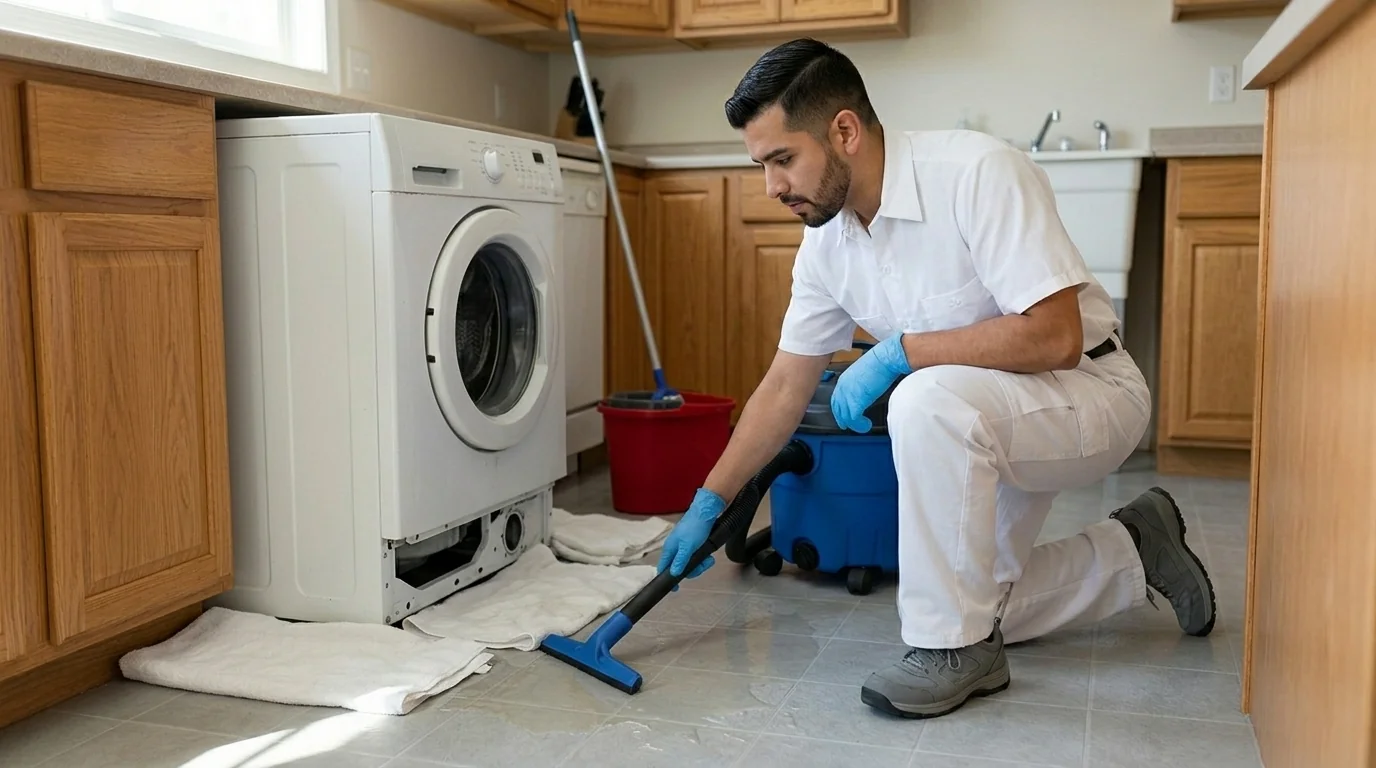
Because HVAC water damage severity isn't always visible without opening up the system and inspecting ductwork directly, a written estimate should follow a hands-on inspection rather than a phone-based guess. Ask whether the estimate includes both cleaning and any necessary replacement, so there are no surprises once the work begins. You can also review FEMA's National Flood Insurance Program for an outside perspective on this.