For residents of Phoenix condominiums, townhomes, and HOA-governed communities, a roof leak raises an immediate question beyond the water itself: who is actually responsible for the repair? Unlike a single-family home where the answer is straightforward, shared roof structures in HOA communities involve governing documents, insurance policies, and sometimes competing interpretations of responsibility.
The Governing Documents Are the Starting Point
Every HOA and condo association operates under CC&Rs (Covenants, Conditions, and Restrictions) and bylaws that specify which structural elements are "common elements" maintained by the association versus elements that fall within an individual unit owner's responsibility. Roof structures are very frequently classified as common elements in condo developments, meaning the association bears responsibility for the roof itself — but interior finishes within an individual unit may remain the owner's responsibility even when the water damage originated from a common-element roof failure. You can learn more about our Phoenix water damage restoration company and how we help Phoenix homeowners recover quickly.
Master Policy vs. Individual Unit Owner Policy (HO-6)
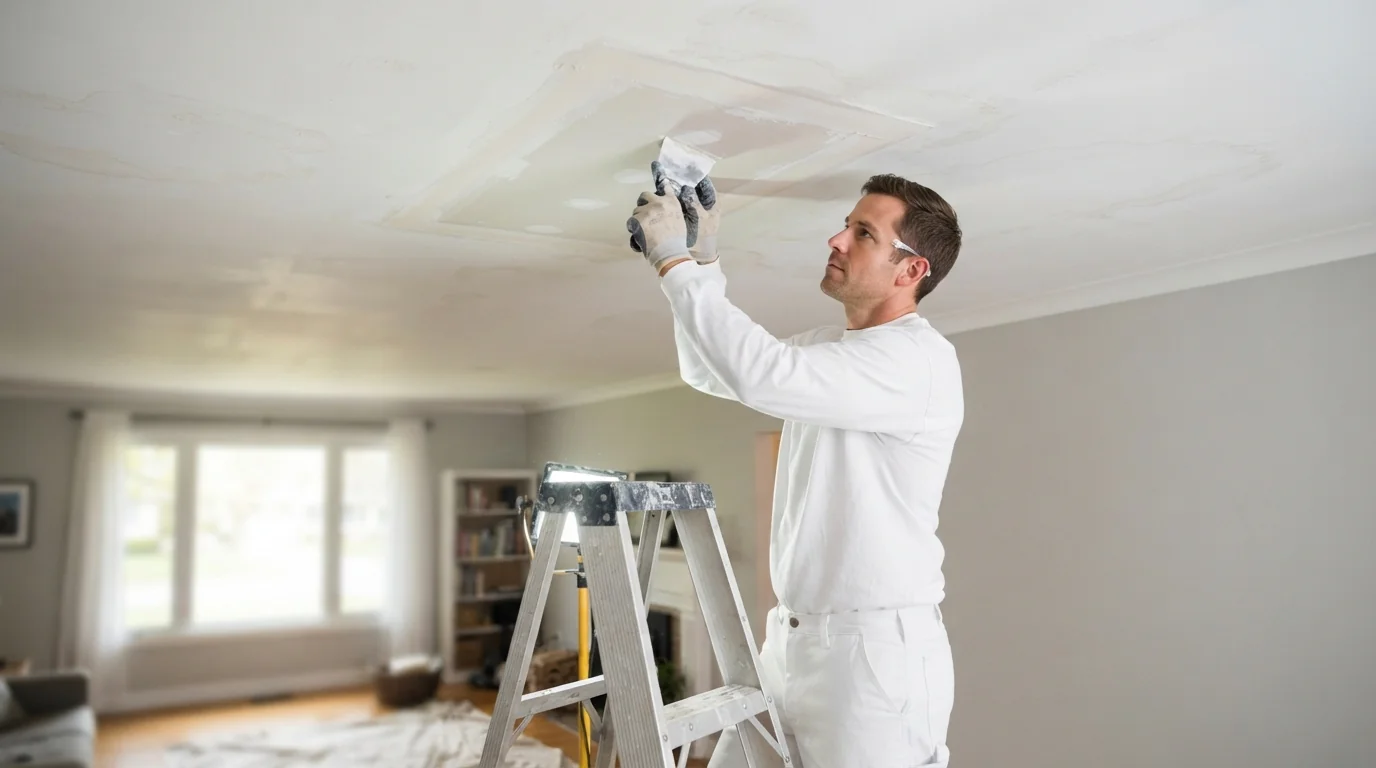
Most HOA and condo communities carry a master insurance policy covering the building structure, including the roof. Individual unit owners typically carry an HO-6 policy that covers interior finishes, personal property, and improvements within their unit. When a roof leak damages both the common-element roof and an individual unit's interior, the master policy and the individual HO-6 policy may each respond to different portions of the loss — creating a situation where two separate insurance claims are filed for a single event. Read more about our team and certifications if you want to know who will be showing up at your door.
Why Prompt, Independent Documentation Matters
Because responsibility can be genuinely ambiguous or disputed between an HOA, its insurer, and an individual unit owner's insurer, thorough independent documentation of the damage at the time it occurs is critical. Thermal imaging, moisture readings, and dated photographs create a record that is useful regardless of which party is ultimately determined to be responsible — and this documentation should be gathered promptly rather than waiting for a responsibility determination, since delay only worsens the damage. For background from an independent source, see the EPA's guidance on moisture and mold.
Multi-Unit Water Migration
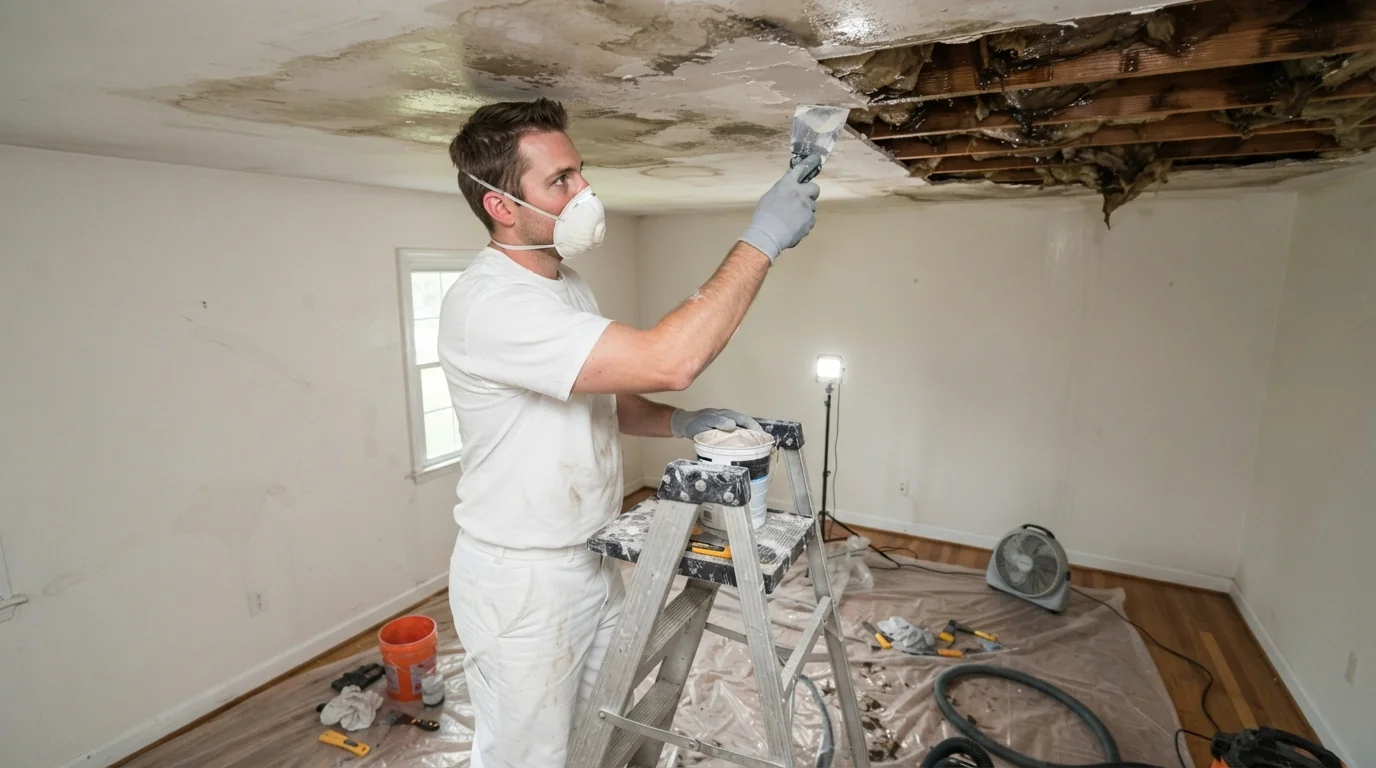
Roof leaks in attached or stacked HOA properties often affect more than one unit, since water traveling through a shared attic or ceiling assembly does not respect unit boundaries. Coordinating restoration across multiple affected units requires clear communication with the HOA management company and, often, sequential or simultaneous work in adjacent units. the IICRC S500 restoration standard has useful guidance on this if you want to read further.
Practical First Steps for Affected Owners
Report the leak to HOA management immediately, request the specific CC&R language regarding roof responsibility, and contact a restoration company promptly rather than waiting for responsibility to be resolved — most restoration companies are experienced at working alongside HOA management and multiple insurers to keep the physical damage from worsening while the administrative questions are sorted out. You can also review the Insurance Information Institute's claims overview for an outside perspective on this.