Immediate Safety Steps
Before anything else, shut off electricity to affected areas at the breaker panel if it's safe to reach, and avoid walking through standing water that may be in contact with electrical outlets or appliances. If the flood involves a burst pipe or plumbing failure, locate and shut off the main water supply as soon as possible.
If the flooding involves sewage backup or significant standing water from outside the home, treat it as contaminated water and avoid direct contact until a professional assessment confirms the water category. If cost is on your mind, how our pricing works breaks down what typically drives the number up or down.
Documentation Before Cleanup Begins
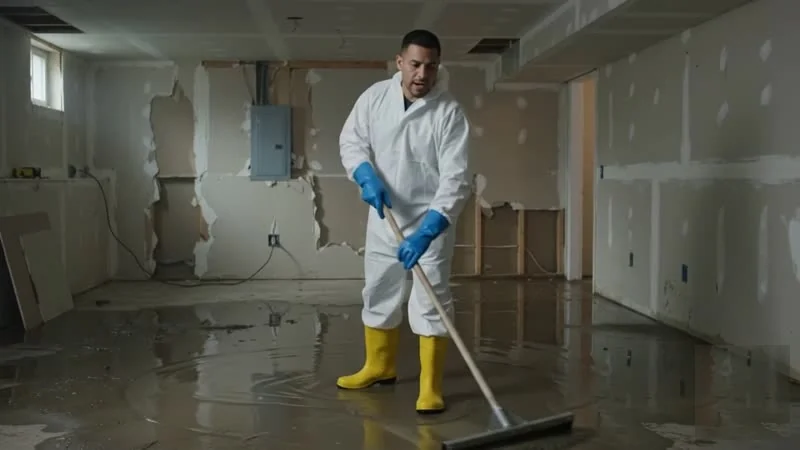
Photograph and video every affected area before moving or removing anything, including furniture, flooring, and any visibly damaged belongings. This documentation forms the foundation of your insurance claim, so it's worth being thorough even if it delays cleanup by a few extra minutes. We've answered a lot of related questions on answers to common questions.
Make a written list of damaged items as you go, including approximate age and value where you can estimate it, which will support your claim conversation with the adjuster. If you want to go deeper on this, our guide on Flood Restoration Company Red Flags: Avoiding Storm-Chaser Scams covers it well.
Calling in Professional Help
Contact a 24/7 water damage restoration company as soon as possible — the faster extraction begins, the less secondary damage occurs. At the same time, notify your insurance company to begin the claims process and ask whether they require you to use an approved vendor list or if you're free to choose your own restoration company. For background from an independent source, see the National Weather Service Phoenix office.
During Extraction and Drying
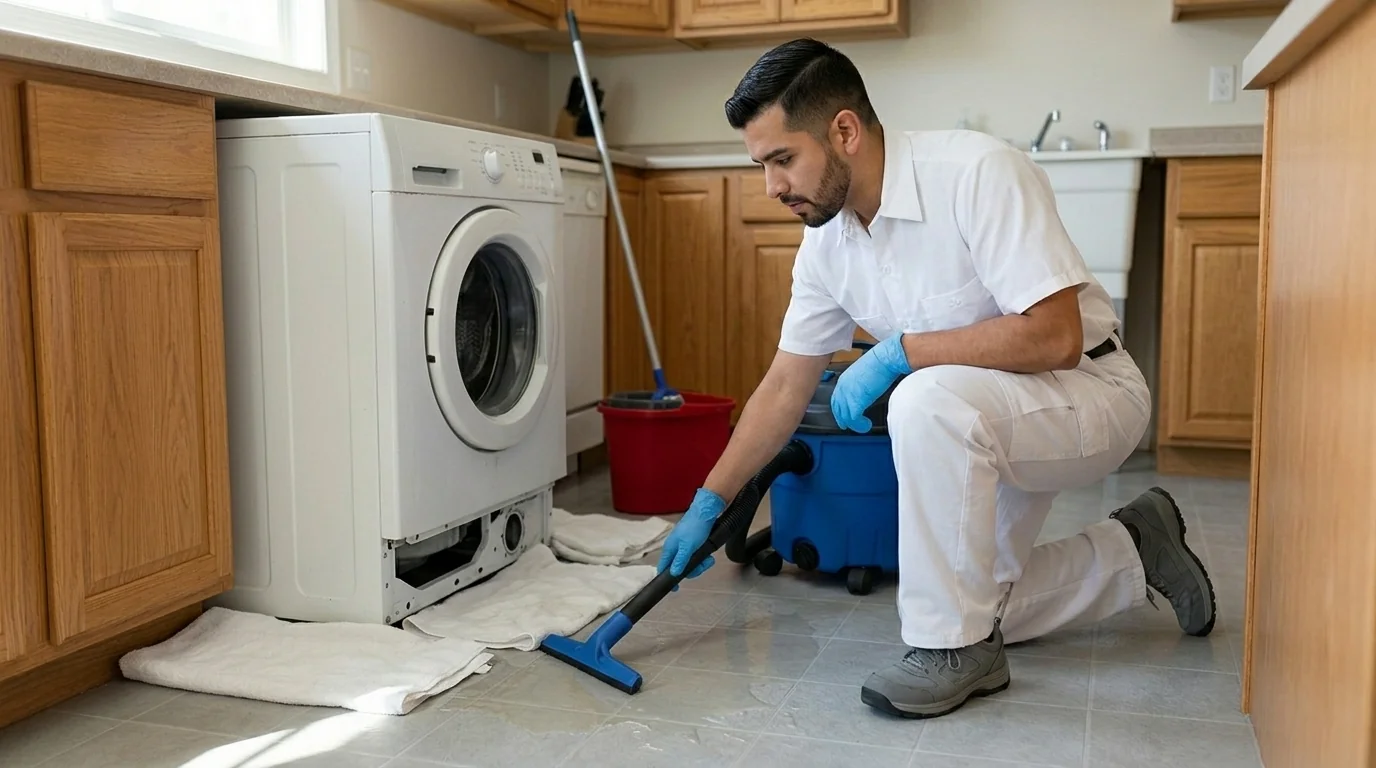
Keep the affected areas clear of foot traffic where possible to avoid tracking contaminants and to let drying equipment work efficiently. Stay in contact with your restoration crew for daily updates on moisture readings, and ask questions about anything in the scope of work that isn't clear. FEMA's National Flood Insurance Program has useful guidance on this if you want to read further.
Before Reconstruction Begins
Confirm that all affected materials have passed final moisture verification before signing off on reconstruction. Review the reconstruction scope of work carefully, and confirm whether permits are required for any part of the rebuild — see our guide on flood damage repair permits for more detail. You can also review the Red Cross flood safety guidance for an outside perspective on this.