Flat and low-slope roofs dominate Phoenix's commercial building stock, from strip malls to warehouses to office parks. Unlike pitched residential roofs, flat roofs depend entirely on a properly functioning membrane and drainage system to manage water — and when any part of that system fails, the result is roof leak water damage that can affect ceiling tiles, electrical systems, inventory, and structural framing.
Membrane Seam and Puncture Failures
TPO, EPDM, and modified bitumen membranes are installed in sheets or rolls, joined at seams that are heat-welded, adhered, or taped depending on the system. Phoenix's extreme thermal cycling — from near-freezing winter nights to roof surface temperatures exceeding 160°F in summer — stresses these seams continuously, and a seam that was properly installed can develop a gap years later purely from thermal fatigue. It's worth browsing our full list of restoration services to see which one matches what you're dealing with.
Foot traffic from HVAC technicians, satellite installers, and maintenance crews is a leading cause of membrane punctures on commercial roofs. A single dropped tool or dragged piece of equipment can create a puncture that goes unnoticed until the next rain event drives water directly through it. If cost is on your mind, how our pricing works breaks down what typically drives the number up or down.
HVAC Curb and Penetration Flashing
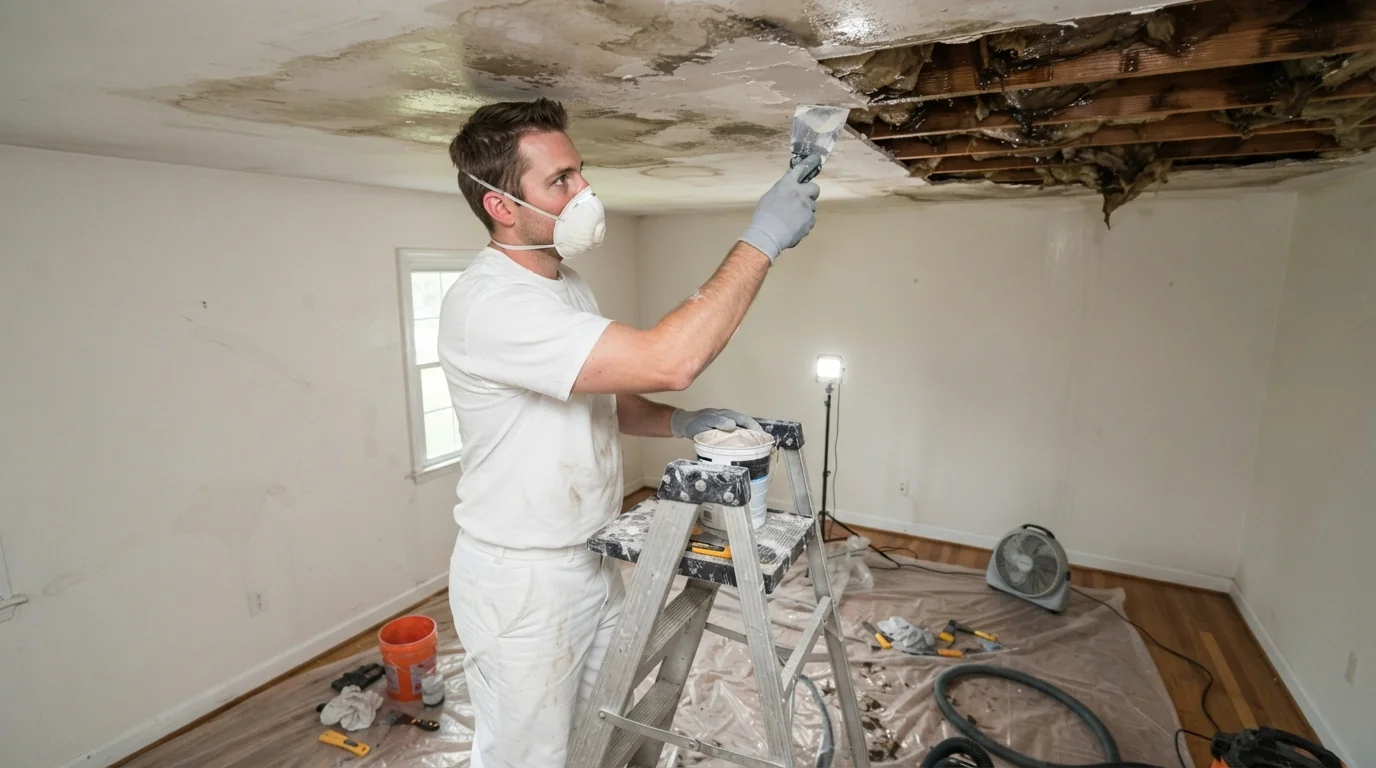
Every rooftop HVAC unit, exhaust vent, plumbing stack, and conduit penetration requires a properly flashed and sealed curb. These are the single most common failure points on any commercial flat roof, because the flashing must accommodate the differential movement between the roof membrane and the rigid equipment it surrounds. Cracked pitch pans and separated curb flashing allow direct water entry with very little warning. If you want to go deeper on this, our guide on Why Does My Roof Keep Leaking in the Same Spot? Phoenix Homeowners' Guide covers it well.
Clogged Drains and Scuppers
Commercial flat roofs rely on internal drains, scuppers, or edge gutters to move water off the roof surface during a storm. Phoenix's dust, blown debris, and bird activity accumulate in these drainage points throughout the dry season, and a single monsoon downpour can overwhelm a partially blocked drain — causing ponding water that finds its way through even a minor membrane defect, or that simply exceeds the roof's designed load capacity. For background from an independent source, see the EPA's guidance on moisture and mold.
FEMA's National Flood Insurance Program provides background on flood coverage that can intersect with severe roof ponding events in commercial buildings. the IICRC S500 restoration standard has useful guidance on this if you want to read further.
Interior Impact: Ceiling Tiles, Electrical, and Inventory
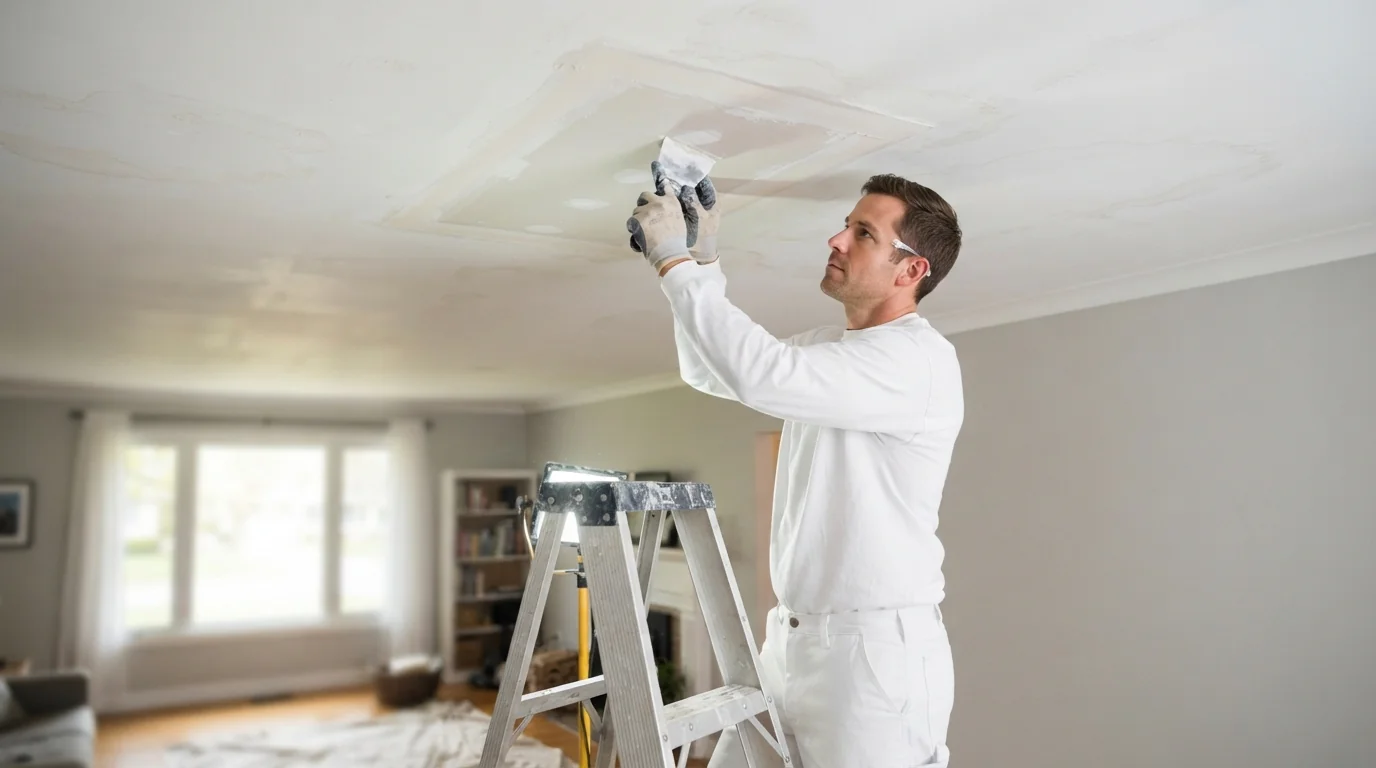
Once water penetrates a commercial roof assembly, drop ceiling tiles are usually the first visible casualty, along with insulation above them. Water traveling along structural decking can reach electrical conduit and lighting fixtures, creating safety hazards that require immediate power isolation. In warehouse and retail settings, commercial water damage restoration often extends to protecting and drying stored inventory before the moisture causes secondary damage to packaging or products themselves.