Not every Phoenix home is built the same way. Older homes in historic districts often have plaster walls rather than drywall, and the two materials behave very differently once they're wet.
How Drywall Responds to Water
Standard drywall is a gypsum core sandwiched between paper facings, and it wicks water upward through capillary action, often carrying moisture well above the visible waterline. Drywall generally dries well when caught early — typically within a 3 to 5 day window — but prolonged saturation breaks down the gypsum core and paper facing, at which point drying is no longer sufficient and replacement becomes necessary. This applies across the Phoenix-area neighborhoods we serve, not just one part of the city.
Why Plaster Behaves Differently
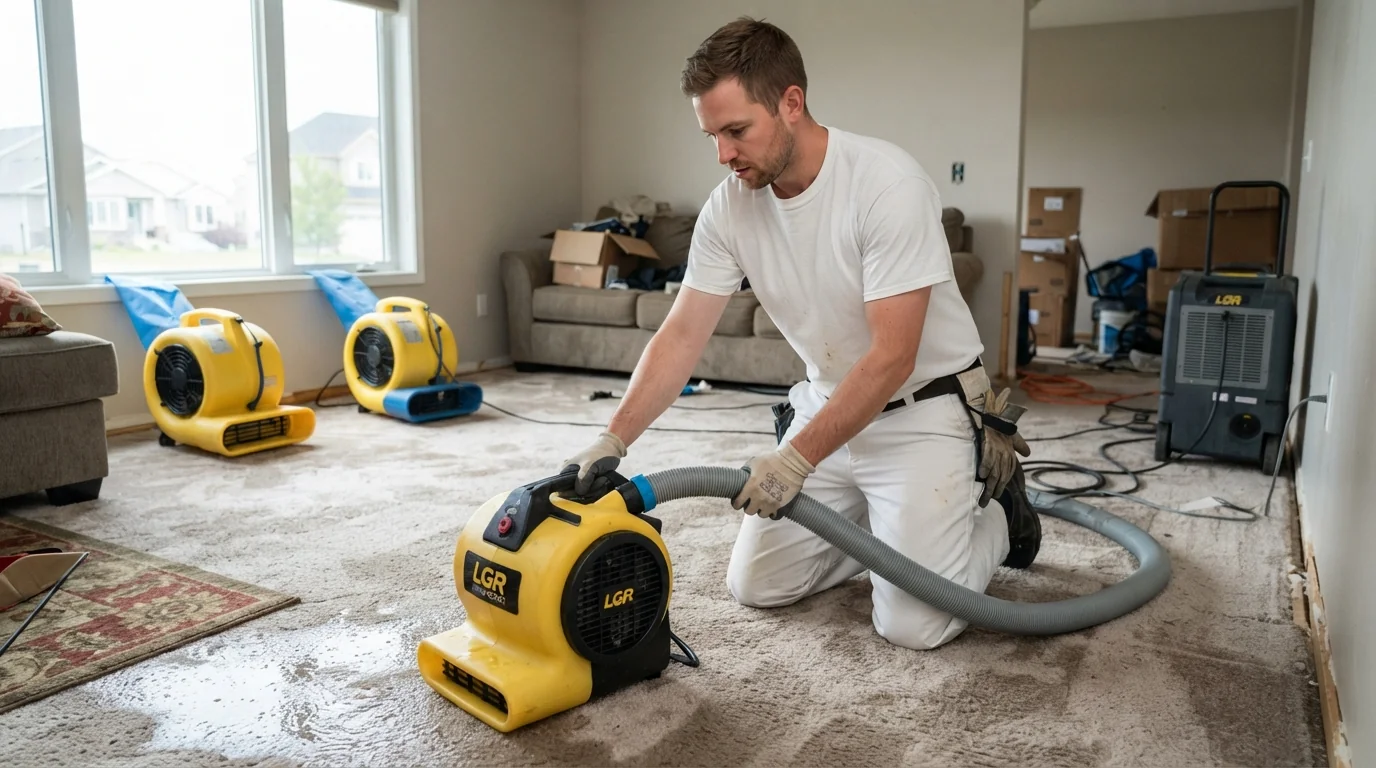
Plaster is a dense, lime- or gypsum-based material applied over wood or metal lath, and it's substantially more water-resistant than modern drywall in the short term. However, plaster's density also means it holds moisture longer and dries more slowly, and water damage often shows up as cracking or bulging at the lath attachment points rather than the sagging typical of wet drywall. For background from an independent source, see the EPA's guidance on moisture and mold.
The Lath Problem Behind Plaster Walls
Wood lath — thin strips of wood the plaster is keyed into — can swell, warp, or rot when saturated, and this damage isn't visible from the room side of the wall. Restoration technicians often use thermal imaging and moisture meters to assess lath condition before committing to a drying-only approach on plaster walls. the IICRC S500 restoration standard has useful guidance on this if you want to read further.
Salvage Decisions: Dry vs. Replace
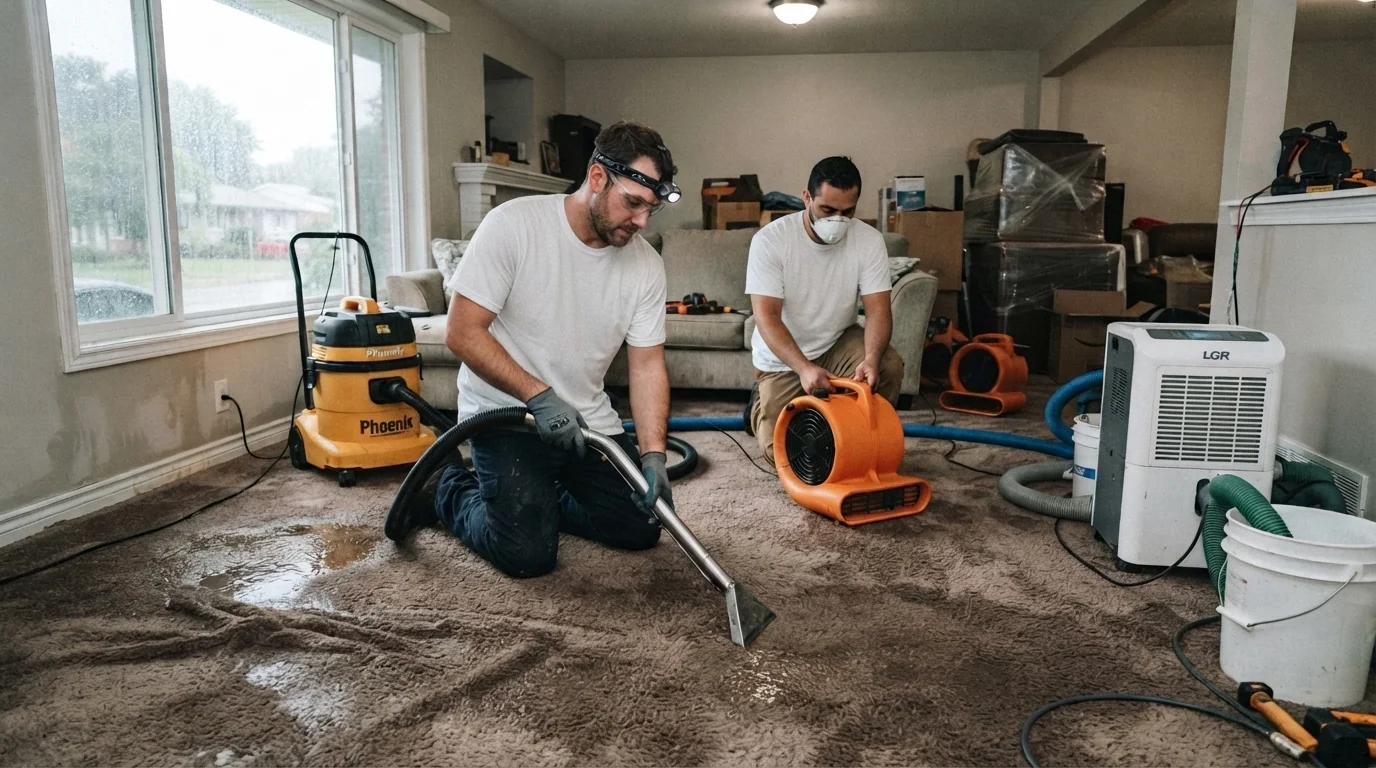
For drywall, the decision point is usually about the duration of saturation and whether the paper facing has delaminated. For plaster, the decision point more often comes down to lath condition and whether the plaster has separated from its keys — a plaster wall can look intact on the surface while being structurally detached behind it. Our guide to replace-vs-restore decisions covers this trade-off in more detail. You can also review the Insurance Information Institute's claims overview for an outside perspective on this.
What This Means for Your Drying Timeline
A drywall-only loss in a newer Phoenix home might clear structural drying in under a week. A comparable loss in an older plaster home can take considerably longer to properly assess and dry, simply because the material itself is slower to release moisture and requires more careful evaluation before equipment removal.