What Makes Slab Leaks Different from Other Burst Pipes
Many Phoenix homes were built with copper or, in some cases, polybutylene plumbing running beneath a concrete slab foundation, and a break in one of these lines is called a slab leak. Unlike a visible pipe burst under a sink, a slab leak often goes undetected for days or weeks, since the water has to travel through soil and concrete before it becomes visible as a wet spot on the floor, a warm patch on the slab, or unexplained water bills. If a situation like this is happening right now, you can request emergency service and we'll get moving. It's worth browsing our full list of restoration services to see which one matches what you're dealing with.
Because the pipe itself is inaccessible without cutting into the slab, both detection and repair require more specialized techniques than a typical burst pipe repair. If you want to go deeper on this, our guide on The Burst Pipe Repair Process: From Discovery to Full Restoration covers it well.
How Slab Leaks Are Detected
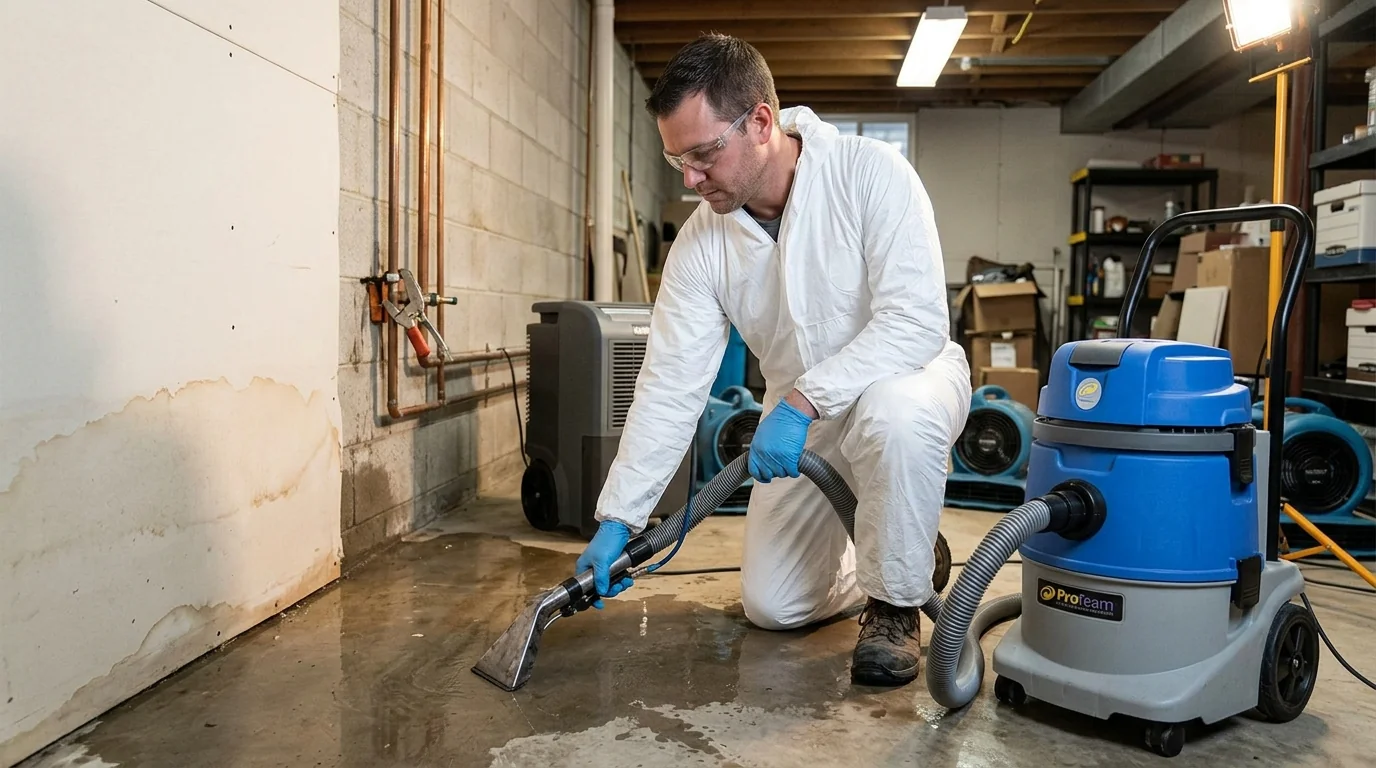
Plumbers typically use electronic leak detection equipment, including acoustic listening devices and thermal imaging, to pinpoint the exact location of the leak beneath the slab before any concrete is cut. This precision matters — cutting the slab in the wrong location adds unnecessary cost and repair time. We also break this down further in Burst Pipe Repair Near Water Heaters: Special Considerations.
A sudden spike in water bills, the sound of running water when all fixtures are off, or a persistently warm spot on the flooring are common signs worth having checked by a professional. For background from an independent source, see the IICRC S500 restoration standard.
Repair Approaches: Slab Penetration vs. Reroute
Once located, a plumber generally has two options: cut into the slab directly above the leak to access and repair that specific section of pipe, or reroute the water line entirely through the attic or exterior walls, bypassing the damaged section under the slab. A reroute is often preferred for older homes with corroded copper, since it avoids the risk of additional slab leaks developing nearby in similarly aged pipe. FEMA's National Flood Insurance Program has useful guidance on this if you want to read further.
Restoring the Property After Slab Leak Repair
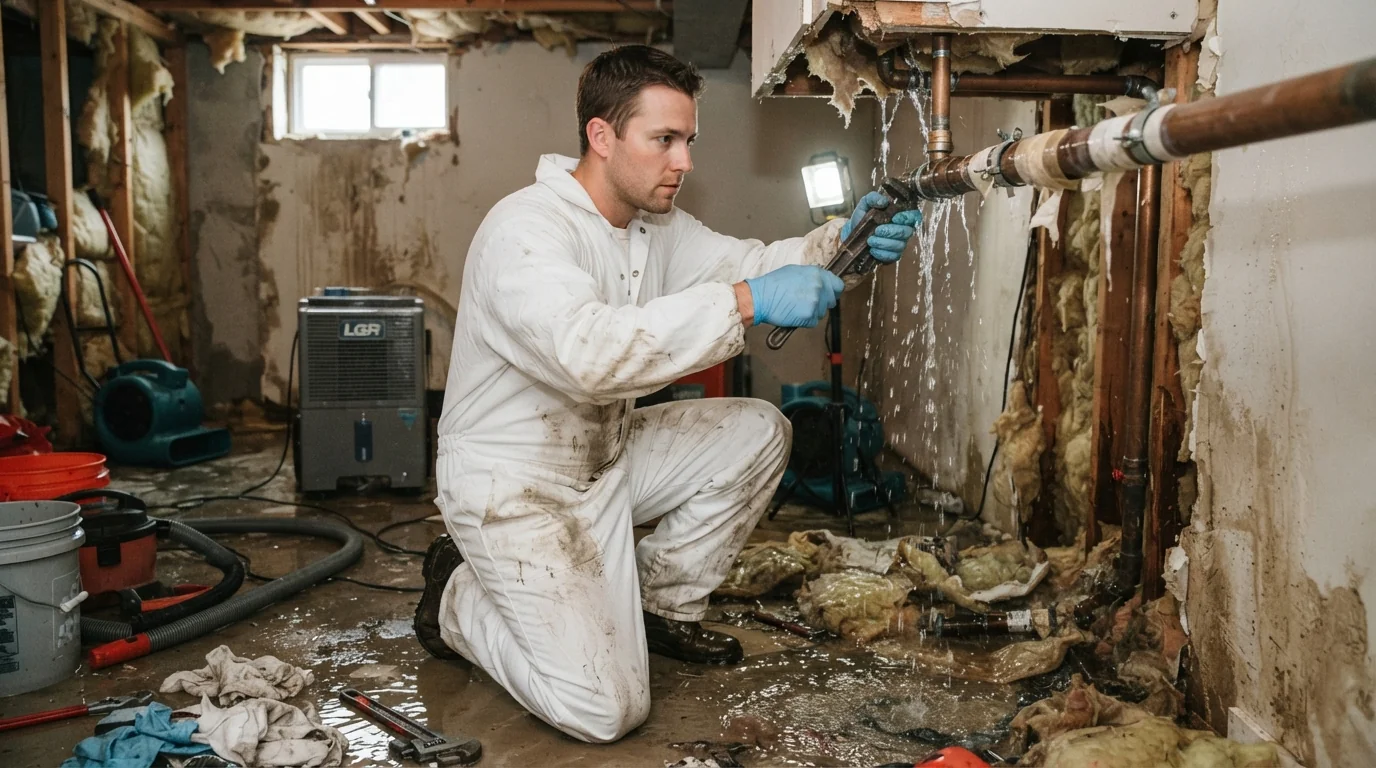
Once the plumbing repair is complete, water damage restoration addresses whatever flooring, drywall, and baseboards were affected by the leak, along with drying out the slab itself, which can hold moisture for some time even after the leak is fixed. Concrete slab drying is its own specialized process that takes longer than drying more porous materials. You can also review the Insurance Information Institute's overview of water damage claims for an outside perspective on this.