A burst pipe is one of the fastest-developing water damage scenarios a Phoenix homeowner can experience. At normal residential water pressure of 60–80 PSI, a half-inch copper pipe failure can release 50–75 gallons of water per minute — that is 3,000–4,500 gallons per hour flooding your property before you even realize what is happening.
Locate and Shut Off the Water Immediately
The first and most critical action when you discover a burst pipe is to find and shut off the water supply to stop the flow. In a Phoenix single-family home, the main water shut-off is typically located at the water meter, which is in the sidewalk or parkway strip in front of the property inside a concrete utility box.
For Phoenix condominium or townhome residents, the main shut-off for the unit is typically inside the unit near the water heater or under the kitchen sink. Know the location of this valve before an emergency — in a multi-unit building, a burst pipe can affect not only your unit but neighboring units below if water penetrates through the floor.
After shutting off the water supply, turn off electricity to all affected areas at the breaker panel before any cleaning or assessment begins. Standing water in contact with electrical outlets or appliances poses electrocution risk. the IICRC S500 standard sets the procedural benchmark restoration companies are expected to follow.
Document Before Cleanup Begins
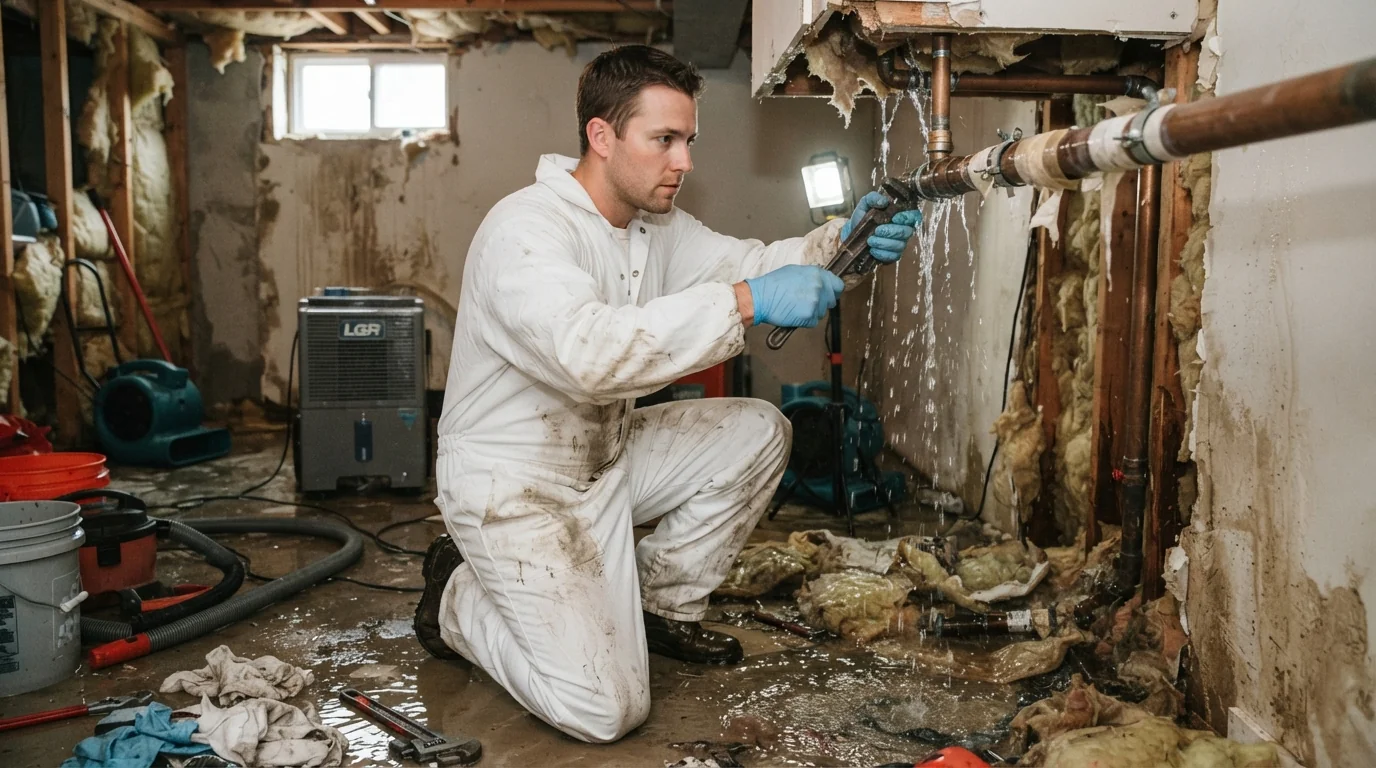
With the water stopped and electrical hazards addressed, your next action before moving anything is documentation. A burst pipe in Phoenix is almost always covered by standard homeowners insurance as a sudden and accidental loss — your documentation is the foundation of the claim.
Do not remove or dispose of any damaged materials before your insurance adjuster has the opportunity to see them. The burst fitting itself is particularly important to preserve — the way the pipe failed (sudden fracture versus corrosion-weakened failure) can be relevant to coverage determinations.
For business owners, burst pipe documentation must also include a log of business operations affected: what areas were unusable, what revenue-generating activities were disrupted, and for what period. A business interruption claim requires this operational documentation in addition to the property damage documentation.
What Happens When the Restoration Crew Arrives
When our Phoenix emergency crew arrives, the first action is a full moisture assessment using thermal imaging cameras and calibrated moisture meters across all affected areas. This assessment reveals where water has migrated beyond the visibly wet area — inside walls, beneath floor assemblies, and into adjacent rooms. the EPA provides background on how moisture control prevents mold growth in buildings.
Extraction begins immediately after the assessment. In a burst pipe event, the extraction sequence typically moves from the highest standing water areas outward, systematically addressing each room in the migration path.
After extraction, the drying program is staged — often within the same visit. Industrial air movers and dehumidifiers are positioned according to the psychrometric calculations for the specific affected area.
Common Phoenix Burst Pipe Causes and Prevention
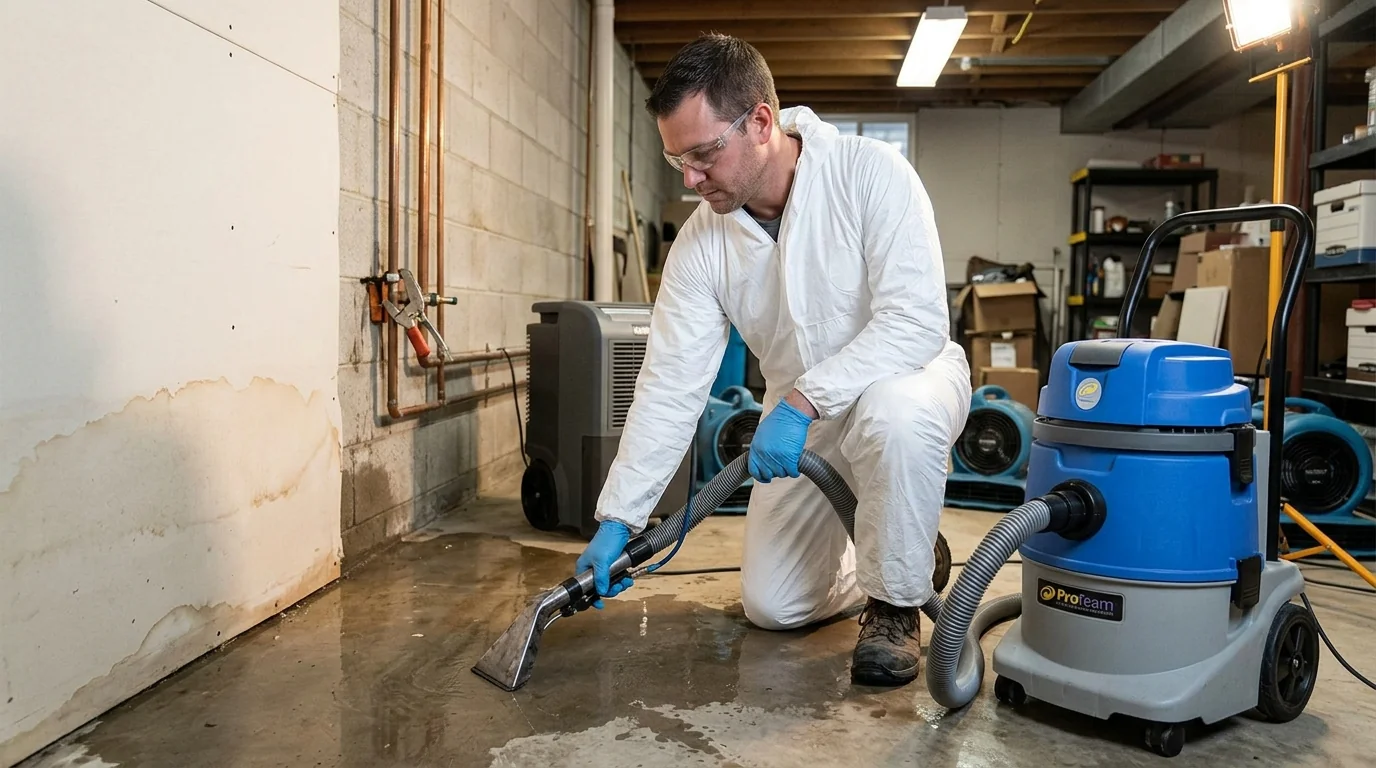
In Phoenix, the most common cause of burst pipes is not freezing — the desert climate makes freeze events rare and brief — but rather sudden pressure surges from the municipal supply system. These surges can occur when supply-side valves are rapidly opened or closed in the distribution system, creating a pressure wave (water hammer) that exceeds the rated pressure of older supply fittings or connections. FEMA's National Flood Insurance Program explains how the National Flood Insurance Program covers flood losses.
Copper pipe corrosion is the second most common cause of pipe failure in established Phoenix neighborhoods. Phoenix's water has a mineral content profile that can accelerate certain types of copper corrosion, leading to pinhole failures that can either leak slowly or fail suddenly under pressure.
Flexible supply hoses to toilets, sinks, and appliances are among the highest-risk failure points in any Phoenix home — and one of the most preventable. Braided stainless steel supply hoses have a rated service life of 8–10 years; rubber or vinyl hoses fail sooner.