Water damage restoration in older Phoenix properties carries a potential complication that newer construction does not: the presence of hazardous building materials that were standard before their health risks were fully understood. Asbestos-containing materials were used in countless building products through the late 1970s, and lead-based paint was common in residential construction through 1978.
Where Asbestos Is Found in Phoenix Properties
Asbestos was incorporated into dozens of building products common in mid-century Phoenix construction. Materials most frequently encountered during water damage restoration include: floor tile and floor tile mastic (the adhesive beneath vinyl tiles — often the most common ACM found during flooring replacement), ceiling texture and popcorn ceiling finish applied before approximately 1978, drywall joint compound in homes built before 1977, pipe insulation on both hot water supply lines and HVAC ductwork, and roofing felts and flashings. If a situation like this is happening right now, you can request emergency service and we'll get moving.
The presence of asbestos-containing materials does not create an immediate hazard — intact ACM that is not disturbed does not release fibers. The hazard arises when ACM is disturbed during restoration activities: cutting, sanding, demolishing, or removing ACM-containing materials releases microscopic fibers that can be inhaled.
Arizona law requires testing and, where ACM is confirmed, abatement by licensed contractors before demolition activities that would disturb the material. For water damage restoration in any Phoenix property built before 1981, a pre-demolition asbestos survey by a licensed inspector is the appropriate first step when suspect materials will be disturbed. the EPA's asbestos guidance explains where asbestos is commonly found in older homes.
Lead Paint in Phoenix Properties
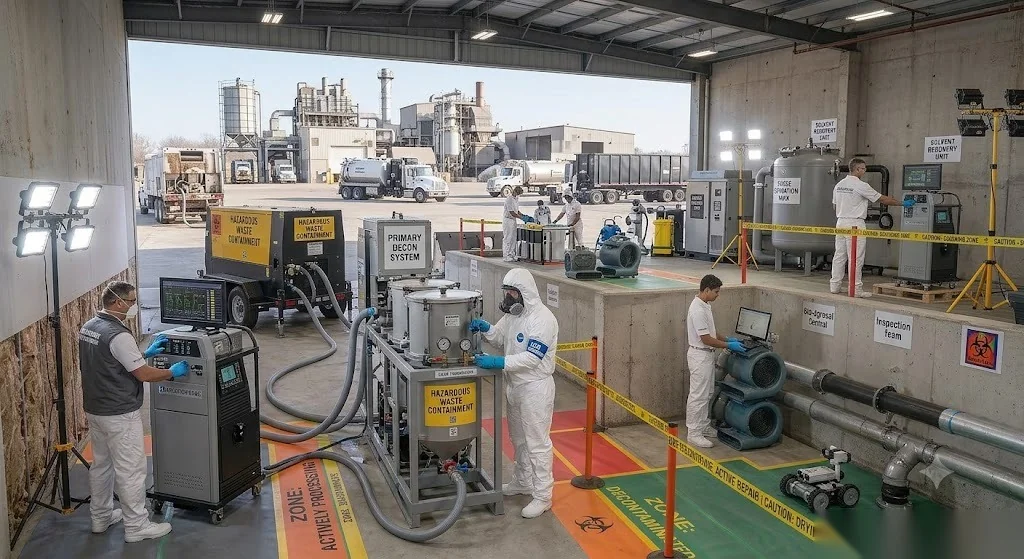
Lead-based paint was banned in residential applications in 1978 and was the dominant residential paint type before that date. Phoenix's housing stock includes a significant number of pre-1978 homes in neighborhoods including Willo, Coronado, Roosevelt, Alhambra, Sunnyslope, and portions of Maryvale and South Phoenix.
The EPA's Renovation, Repair and Painting (RRP) Rule requires contractors working in pre-1978 homes where children under 6 or pregnant women are present to follow specific lead-safe work practices, including dust containment, cleaning procedures, and worker protection. These requirements apply to restoration work disturbing more than 6 square feet of paint per room. It's worth browsing our full list of restoration services to see which one matches what you're dealing with.
XRF (X-ray fluorescence) testing by a certified inspector provides immediate on-site confirmation of lead paint presence — results available immediately without lab submission. Paint chip sampling and lab analysis is the alternative.
How This Affects the Restoration Timeline and Cost
Discovery of potential ACM or lead paint does not necessarily stop restoration work — it requires integrating hazardous material protocols into the restoration sequence. For ACM: survey before demolition, test suspect materials, and if ACM is confirmed, engage a licensed abatement contractor (licensed with Arizona ADEQ) to remove the material before general demolition proceeds. the EPA's Lead Renovation, Repair and Painting Program covers the lead-safe work practices required in pre-1978 homes.
The additional cost of hazardous material handling is a legitimate insurance claim component when required as a direct result of a covered water damage event. Your adjuster's scope should include testing costs, abatement costs, and any additional monitoring required.
For Phoenix homeowners with older properties, proactive pre-demolition hazardous material surveys before any renovation or restoration project — not just after a water event — provide information that simplifies future event response. Knowing what materials your older property contains, where they are located, and whether they require special handling is valuable operational knowledge for any project. If you want to go deeper on this, our guide on The 48-Hour Mold Window After Water Damage in Phoenix covers it well.
Contractor Credentials and Verification
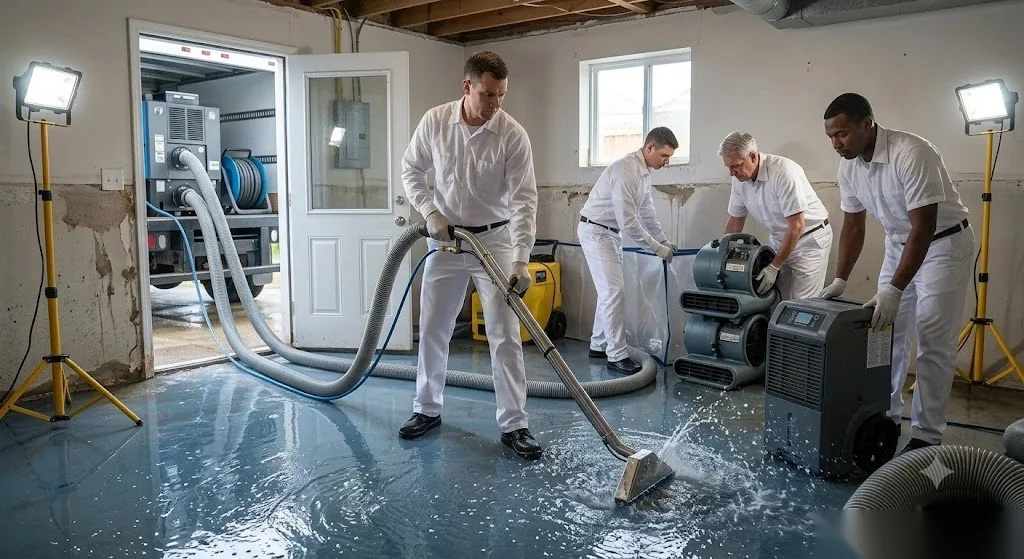
Not all water damage restoration companies are equipped or licensed to handle ACM or lead paint situations. In Arizona, asbestos abatement must be performed by an ADEQ-licensed contractor. OSHA's guide to mold in the workplace outlines workplace precautions for mold exposure.
A restoration company that begins demolition in an older Phoenix property without hazardous materials survey is a significant compliance concern. Under Arizona law and federal EPA regulations, demolition of suspect materials without prior testing can result in regulatory action and creates liability for both the contractor and potentially the property owner.
ADEQ maintains a public database of licensed asbestos contractors in Arizona. The EPA maintains the list of RRP-certified renovation contractors.